How to Transplant Alyssum tortuosum?
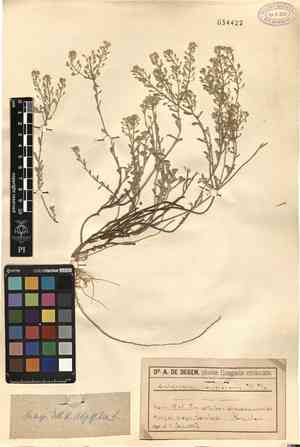
The ideal window for relocating alyssum tortuosum spans from early spring through its latter part, as this duration encourages peak development. Select a location that receives ample sunlight and drains effectively to guarantee robust settling. To achieve superior outcomes, exercise care to prevent upsetting the root system.
What Preparations are Necessary Before Relocating Alyssum Tortuosum?
What is the Optimal Period for Relocating Alyssum Tortuosum?
Alyssum tortuosum, an annual, flourishes when moved from early to late spring. This timeframe aligns with ideal soil warmth and increased daylight, ensuring robust root establishment and vigorous development. Relocating during this period fosters strong growth and enhances flowering potential throughout the growing season.
What Spacing Should You Maintain Between Alyssum Tortuosum Plants?
When relocating alyssum tortuosum, position each plant 10-12 inches (25-30 cm) apart. This provides ample room for growth and prevents competition for resources.
What is the Best Soil Mixture for Alyssum Tortuosum Relocation?
For alyssum tortuosum, utilize soil that drains effectively. Incorporate compost or a general-purpose fertilizer to supply nutrients. Steer clear of heavy clay soils, as they can retain excessive moisture.
Where Should You Replant Your Alyssum Tortuosum?
Select a sunny spot for replanting alyssum tortuosum. An area receiving full sun for at least 6 hours daily is perfect to ensure healthy growth and abundant blooms.
What Tools Should You Prepare Before Relocating Alyssum Tortuosum?
Gardening Gloves
To safeguard your hands while handling soil and plants.
Shovel or Spade
For digging and extracting the plant from its initial spot.
Trowel
For smaller digging tasks and to aid in precise placement of the plant in its new location.
Watering Can or Hose
To hydrate the plant before and after its move.
Mulch
To assist in retaining soil moisture post-relocation.
Stakes or Supports
To prop up the plant if it is tall or has delicate stems.
How Do You Extract Alyssum Tortuosum from the Soil?
How Do You Extract Alyssum Tortuosum from the Soil?
From Ground: First, irrigate the alyssum tortuosum plant to moisten the soil. Then, excavate a wide trench around the plant using a shovel or spade, ensuring the plant's root ball remains intact. Carefully work the spade beneath the root ball to lift the plant from its original position.From Pot: Water the alyssum tortuosum plant thoroughly an hour prior to relocating to facilitate removal. Gently tap the pot's sides to loosen the soil, then invert the pot while supporting the plant. Carefully slide the plant out, taking care not to harm the roots.From Seedling Tray: Water the alyssum tortuosum seedlings well before relocating. Use a trowel or your fingers to gently separate each seedling from the tray, being cautious not to damage the delicate roots.
Step-by-Step Guide for Relocating Alyssum Tortuosum
Prepare the New Site
Choose the relocation spot and ensure the soil is adequately prepared. Dig a hole roughly twice the width of the plantâs root ball to allow for easy root expansion.
Improve the Soil
Add compost or other organic material to the hole if necessary to enhance soil structure and fertility.
Replant the Plant
Position the alyssum tortuosum plant in the hole, making sure the top of the root ball is level with the ground surface. Backfill around the root ball with soil, gently firming it down to eliminate air pockets.
Water Generously
Water the plant immediately after relocating to help settle the soil and minimize transplant shock.
Apply Mulch
Spread a 2-3 inch layer of mulch around the plant's base to help retain soil moisture and regulate soil temperature.
How Do You Care For Alyssum Tortuosum After Relocation?
Watering
Keep the soil around the alyssum tortuosum consistently moist, but not waterlogged, for the initial weeks post-relocation to aid in establishing strong roots.
Monitoring
Inspect the plant regularly for indications of stress, such as wilting or yellowing leaves, and address issues promptly.
Weeding
Keep the area surrounding the alyssum tortuosum free of weeds to reduce competition for nutrients and water.
Support
If needed, use stakes or other supports to keep the plant upright and lessen wind damage.
Troubleshooting Common Issues with Alyssum Tortuosum Relocation.
When is the best time to relocate alyssum tortuosum?
Early spring to late spring is ideal for relocating alyssum tortuosum for optimal growth.
What spacing should I use when relocating alyssum tortuosum?
Space your alyssum tortuosum plants 10-12 inches (25-30 cm) apart to promote healthy growth.
How do I prepare the soil for relocating alyssum tortuosum?
Ensure the soil is well-draining and enrich it with compost before relocating alyssum tortuosum.
How deep should I plant alyssum tortuosum during relocation?
Plant alyssum tortuosum at the same depth they were growing in their previous container.
How much water does alyssum tortuosum need after relocating?
Water alyssum tortuosum thoroughly right after relocating, and keep the soil consistently moist thereafter.
Do I need to acclimate alyssum tortuosum before relocating?
Yes, gradually expose alyssum tortuosum to outdoor conditions for 7-10 days prior to relocating.
How can I reduce relocation shock for alyssum tortuosum?
Water well and avoid disturbing the roots to minimize relocation shock for alyssum tortuosum.
Should I fertilize alyssum tortuosum when relocating?
Use a balanced fertilizer following relocation to support alyssum tortuosum's growth.
What should I do if alyssum tortuosum wilts after relocating?
Ensure alyssum tortuosum receives adequate water and verify soil drainage if wilt occurs post-relocation.
Alyssum tortuosum leaves turned yellow after relocating. Why?
Yellow leaves might indicate overwatering or poor soil drainage. Adjust watering practices accordingly.



