How to Transplant Three-cornered leek?
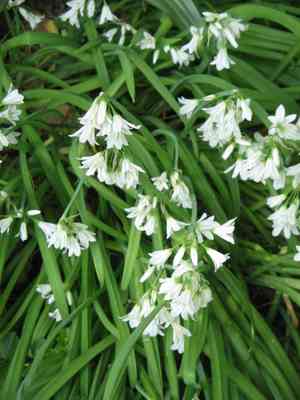
The optimal period for transplanting three-cornered leek occurs in the warm summer season, when its development is inactive. Select a brightly illuminated spot that offers excellent drainage. Verify that the earth is rich and damp to facilitate improved adaptation for three-cornered leek.
What Preparations are Needed Before Transplanting Three-cornered Leek?
What is the Ideal Time for Transplanting Three-cornered Leek?
The bright, warm days of mid-summer offer the best window for relocating three-cornered leek, promoting strong development. Moving three-cornered leek during this period aids root establishment and vigor, crucial for the initial phase. Embrace the pleasant summer to enhance your garden with three-cornered leek's excellent growth potential!
How Much Space Should You Leave Between Three-cornered Leek Plants?
When transplanting three-cornered leek, ensure a gap of approximately 4-6 inches (10-15 cm) between each plant. This spacing provides ample room for growth and helps prevent overcrowding.
What is the Best Soil Mix for Three-cornered Leek Transplanting?
Select a well-draining, fertile loamy or sandy soil for three-cornered leek. Prepare the ground by incorporating organic compost or a foundational fertilizer like bone meal, excellent for boosting root development.
Where Should You Relocate Your Three-cornered Leek?
Choose a spot that gets ample sunlight for three-cornered leek. These plants thrive in sunny conditions, or possibly even partial shade. Enjoy your gardening!
What Equipments Should You Prepare Before Transplantation Three-cornered Leek?
Gardening Trowel
Essential for excavating holes and shifting earth.
Gardening Gloves
To safeguard your hands while handling soil and three-cornered leek.
Watering Can
To thoroughly hydrate three-cornered leek before and after relocation.
Gardening Fork
To aerate the soil in the designated transplant area.
Organic Matter
To enhance soil structure and supply nutrients for three-cornered leek.
How Do You Remove Three-cornered Leek from the Soil?
How Do You Remove Three-cornered Leek from the Soil?
From Ground: First, moisten the soil around your three-cornered leek to reduce its density. Use a gardening trowel to dig a wide circle around the plant, being careful not to harm the roots. Gently work the trowel beneath the plant, lifting the three-cornered leek along with its root ball.From Pot: Water the three-cornered leek thoroughly. Tilt the pot sideways, grasp the plant's base, and carefully pull it out. If it resists, tap the pot's bottom to loosen the soil and try again.From Seedling Tray: Water the seedlings and allow drainage. Push up the base of each cell to extract the plant. Hold the three-cornered leek seedling by its leaves to avoid damaging the stem and roots.
Step-by-Step Guide for Transplanting Three-cornered Leek
Preparation
Loosen the soil in the transplant area using a gardening fork. Enrich it with organic material.
Hole Digging
Excavate a hole twice the width of the root ball and of equal depth using your trowel.
Placing the Plant
Carefully position the three-cornered leek in the hole, ensuring it's not planted deeper than its original spot. The top of the root ball should be flush with the soil surface.
Backfilling
Fill the space around the root ball with soil, pressing down gently to eliminate air pockets and ensure the plant is stable.
Watering
Thoroughly water the three-cornered leek after planting, using your watering can to apply water gently to prevent soil erosion.
How Do You Care For Three-cornered Leek After Transplanting?
Watering
Ensure the soil remains damp but not waterlogged. A deep watering immediately after transplanting helps settle the soil around the three-cornered leek's roots.
Protection
Shield the three-cornered leek from harsh environmental conditions such as strong winds or intense sun exposure initially.
Pruning
Trim any damaged or dead portions of the three-cornered leek to redirect energy towards root development.
Keeping an Eye Out
Continuously monitor the three-cornered leek for any indications of transplant shock, such as drooping leaves or stunted growth, and implement appropriate measures, like adjusting watering or location.
Troubleshooting Common Issues with Three-cornered Leek Transplantation.
When is the best time to transplant three-cornered leek?
The optimal period for relocating three-cornered leek is during the S4-S6 season, which corresponds to late spring through early summer.
What is the ideal spacing when planting three-cornered leek?
Ensure a gap of approximately 4-6 inches (10-15 cm) between each three-cornered leek to provide adequate room for growth.
Why are my transplanted three-cornered leek wilting?
Wilting indicates distress, likely due to insufficient moisture, root damage during relocation, or excessive sun exposure. Ensure proper hydration and shading.
Why are the leaves on my three-cornered leek yellow post-transplantation?
Yellowing foliage after transplanting could signal root shock. Nurture it with regular watering and minimal sun until recovery is evident.
What kind of soil should I use when transplanting three-cornered leek?
Three-cornered leek prefer fertile, well-drained soil. Try to replicate its original soil as closely as possible to minimize transplantation shock.
How do I water three-cornered leek after transplanting?
Water three-cornered leek generously following transplantation. Aim for consistent, even moisture, but avoid waterlogging as it may lead to root rot.
My transplanted three-cornered leek shows no growth. What is wrong?
Transplanted three-cornered leek may take some time to exhibit new growth due to the stress experienced during relocation. Patience is key!
Should I fertilize three-cornered leek post-transplant?
It's not necessary immediately after transplanting three-cornered leek. Wait a few weeks, then apply a balanced fertilizer according to package directions.
How deep should I plant three-cornered leek?
The planting depth should match its previous growing conditions. Avoid planting three-cornered leek too deep or too shallow, which may hinder its growth.
Can I transplant three-cornered leek into a pot?
Absolutely! Just ensure the pot has adequate drainage, depth, and width to allow three-cornered leek to grow without issue. Remember to apply the same care as garden transplantations!



