How to Transplant Black garlic?
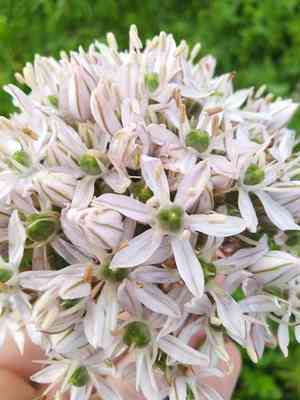
Relocate black garlic as the earth awakens with new life, ideally from early to mid-spring, allowing roots to settle prior to the summer warmth. Select sites that receive ample sunlight and drain effectively. During the transplanting process, carefully loosen the roots to facilitate their natural expansion.
Essential Preparations Before Relocating Black Garlic
Optimal Timing for Black Garlic Relocation?
The ideal period for moving black garlic is early spring, a time abundant with growth potential. This timing allows black garlic to develop roots in mild soil conditions, ensuring vigorous growth. Selecting this season capitalizes on the gentle weather, which aids root establishment without the stress of extreme temperatures. Embracing this window for transplanting enhances your garden with black garlic's beauty, guaranteeing a flourishing, green display.
Recommended Spacing Between Black Garlic Plants?
For black garlic, remember to provide each plant with sufficient room to thrive. Ideally, aim for a spacing of approximately 4-6 inches (10-15 cm). This ensures they have ample space to expand their root systems and develop healthily.
Best Soil Mixture for Black Garlic Transplanting?
The perfect soil for black garlic should be well-draining and rich in organic matter. Incorporate some organic compost or aged manure as a foundational fertilizer to nourish your plants. This should supply vital nutrients, encouraging superior growth.
Where to Replant Your Black Garlic?
When choosing a new location for black garlic, seek a spot that receives ample sunlight, but not excessively harsh. Partial shade is perfectly acceptable. This will ensure they get the light they require without being scorched by intense, all-day direct sun.
Equipment Needed Before Transplanting Black Garlic?
Gardening Gloves
To protect your hands while handling soil, tools, and black garlic.
Shovel or Garden Spade
To extract the plant from its original spot without harming the root ball.
Pruning Shears
To trim any damaged or overly long roots prior to transplanting.
Garden Trowel
To excavate the hole in the new planting site.
Watering Can or Garden Hose
To hydrate the plant before and after its relocation.
Organic Compost
To enhance soil fertility and encourage robust root development.
How to Extract Black Garlic from the Soil?
How to Extract Black Garlic from the Soil?
From Ground: First, thoroughly water the black garlic to moisten the soil. This facilitates easier digging of the plant. Using your shovel or spade, dig a wide trench around the plant, ensuring the root system remains intact. Exercise caution when working the spade beneath the root ball to avoid damaging the roots as you lift the plant.From Pot: If the black garlic is in a container, begin by watering it. While holding the plant's base, gently tilt the pot sideways and carefully slide the plant out. If it resists, tap the pot's sides to loosen it, but refrain from pulling on the plant's stem.From Seedling Tray: Water the seedling tray beforehand. Use a spoon, small trowel, or even your fingers to carefully remove the black garlic seedlings, taking care not to disturb the roots more than necessary.
Step-by-Step Guide for Relocating Black Garlic
Preparation
Begin by watering the black garlic before the move to lessen stress and simplify removal. Put on your gardening gloves and arrange all your tools nearby.
Digging
Use your garden trowel to dig a hole at the new planting site. The hole should be twice as wide and the same depth as the black garlic's root ball.
Planting
Carefully place the black garlic into the hole, ensuring the top of the root ball is level with the ground surface. Backfill the hole with the excavated soil, gently firming it around the plant's base to secure it.
Watering
Once relocated, thoroughly water the black garlic. This helps settle the soil around the roots and keeps the plant hydrated.
Post-Transplant Care for Black Garlic?
Monitoring
Observe the black garlic to ensure it adapts to its new surroundings. Watch for signs of stress such as wilting or yellowing leaves.
Watering
For the initial weeks after transplanting, keep the soil around the black garlic consistently moist, but never saturated. Excessive watering can lead to root rot and other issues.
Pruning
If the black garlic loses some foliage after transplanting, do not be alarmed! Trim back any dead leaves to redirect energy towards root development.
Feeding
Wait at least one month before fertilizing the black garlic with organic compost to allow the roots time to settle and prevent potential fertilizer burn.
Resolving Common Black Garlic Transplant Issues.
What is the best season to transplant black garlic?
Early spring (S1) and early fall (S2) provide the best conditions for relocating black garlic. The mild temperatures during these seasons allow the plant to establish its root system.
What's the ideal spacing when planting black garlic?
Black garlic requires a spacing range of 4-6 inches (10-15 cm). This maximizes their growth potential and ensures each plant receives adequate light and nutrients.
Why is my transplanted black garlic wilting?
Black garlic may wilt due to water stress after relocation. Ensure the plant is adequately watered but avoid overwatering, as it can cause root rot.
Why are the leaves on my transplanted black garlic yellow?
Yellow leaves could indicate a problem with your black garlic's watering routine or the soil's nutrient content. Adjust the watering schedule and check your soil's nutrient levels.
How deep should I dig the hole for transplanting black garlic?
The transplant hole should be twice as wide and as deep as the root ball of your black garlic. This provides the roots ample space to spread and grow.
What should I do if the weather turns unexpectedly cool after transplanting black garlic?
If the weather suddenly cools, cover black garlic with a garden fleece or, if possible, move the plant indoors. Keeping the plants warm can help prevent potential damage.
How can I help my transplanted black garlic establish faster?
Adding compost or a slow-release fertilizer can aid black garlic in establishing more quickly. Additionally, keep the plant well-watered and shade it from intense sun for a few days post-transplant.
How long after transplanting black garlic will they bloom?
Blooming time varies; typically, black garlic will flower within two to three months after relocation. Ensure it receives sufficient water, sunlight, and nutrients for healthy growth.
Are there specific signs of stress to watch out for after transplanting black garlic?
Yes, stress indicators include yellowing leaves, wilting, or stunted growth. These may signal issues with watering, temperature, or soil nutrients. Closely monitor your black garlic and adjust care as needed.
Should I cut back black garlic after transplanting?
It is not necessary unless the plant is significantly overgrown. Instead, let black garlic focus on root establishment. Cutting back the plant could divert energy away from root production.



