How to Transplant Long-stamen chive?
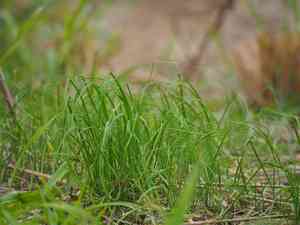
The optimal period for relocating long-stamen chive is during the mild temperatures of late spring, as the ground is conducive to fostering root growth. Select a location featuring adequately draining soil and partial sun exposure; when moving long-stamen chive, safeguarding the root system's wholeness is vital for successful integration.
What Preparations are Needed Before Transplanting Long-stamen Chive?
What is the Ideal Time for Transplanting Long-stamen Chive?
Choosing the period when spring is at its peak, specifically from mid to late spring, is optimal for relocating long-stamen chive. During this time, the mild climate promotes robust root development without the strain of summer heat. Moving long-stamen chive then allows it to flourish, as rising temperatures and extended daylight hours work together to stimulate growth. Select this season, and you'll find long-stamen chive can better endure upcoming weather changes. A friendly reminder: the care you provide to long-stamen chive now ensures a vibrant, green future!
How Much Space Should You Leave Between Long-stamen Chive Plants?
Start by providing your long-stamen chive ample room to expand. Dig holes approximately 2-3 feet (0.6-0.9 meters) apart. This spacing guarantees your plants have sufficient space for their roots to spread and won't compete for nutrients and water.
What is the Best Soil Mix for Long-stamen Chive Transplanting?
To prepare the soil, blend equal parts garden soil, compost, and perlite. This mixture will offer the rich, well-draining environment that long-stamen chive prefers. To give your plants a head start, incorporate a slow-release fertilizer.
Where Should You Relocate Your Long-stamen Chive?
Finally, consider the placement for your long-stamen chive. It thrives in a location with full sun or partial shade. Therefore, seek out a spot in your garden that receives sunlight for at least six hours daily. This will ensure healthy, vigorous growth.
What Equipments Should You Prepare Before Transplantation Long-stamen Chive?
Garden Fork
To loosen the soil around the long-stamen chive at its original spot and in its new location, encouraging better root growth.
Trowel
For carefully extracting the long-stamen chive with minimal harm and for creating the new planting hole.
Gardening Gloves
To safeguard your hands while handling soil and the plant.
Watering Can
To hydrate the long-stamen chive before and after the relocation process.
Spade
Larger than a trowel, this tool is useful if the long-stamen chive has developed an extensive root system and for digging the new hole.
Wheelbarrow
Helpful for moving the long-stamen chive if it's a large plant or too heavy to carry by hand.
How Do You Remove Long-stamen Chive from the Soil?
How Do You Remove Long-stamen Chive from the Soil?
From Ground: The initial step is to water the long-stamen chive to moisten the surrounding soil. This facilitates the removal process and lessens stress on the plant. Using a garden fork or a spade, gently loosen the soil around the plant, ensuring to start a good distance away to prevent root damage. Then, work your tool beneath the long-stamen chive and gradually lift it from the ground.From Pot: Begin by watering your long-stamen chive. Next, turn the pot on its side while supporting the plant with your other hand. Gently pull the plant out, easing it from the container with minimal disturbance to the roots. If the plant resists, you might need to cut the pot away.From Seedling Tray: Water your seedlings thoroughly. Using a dibber or similar tool, loosen the soil at the edge of the seedling cell. Gently grasp the long-stamen chive from its base and lift it, trying to avoid damaging the delicate roots.
Step-by-Step Guide for Transplanting Long-stamen Chive
Prepare the New Location
Using the trowel or spade, dig a hole that is twice the width of the long-stamen chive's root ball system and slightly deeper. Hold the long-stamen chive at its base to ensure it is positioned at the correct depth.
Position the Plant
Carefully hold the long-stamen chive upright and fill the hole halfway with soil, then gently press down the soil with your hands.
Final Fill
Add more soil, if necessary, leaving a slight indentation around the base of the long-stamen chive to retain water.
Watering
Water the plant thoroughly after transplanting. This will help eliminate air pockets and settle the long-stamen chive in its new home.
How Do You Care For Long-stamen Chive After Transplanting?
Watering
After relocation, ensure the long-stamen chive's soil remains consistently moist for up to a couple of weeks until you observe new growth, indicating the plant has begun to establish itself.
Mulching
It is beneficial to apply a layer of mulch around the base of the long-stamen chive following the transplant, which will help keep the soil cool, retain moisture, and prevent weed development.
Pruning
If the long-stamen chive exhibits any signs of wilting or browning, trim those parts off to allow energy to be directed towards new growth.
Troubleshooting Common Issues with Long-stamen Chive Transplantation.
When is the best time to transplant long-stamen chive?
The optimal period to move long-stamen chive is during the S2-S3 seasons. This allows the plant to establish itself before significant weather changes occur.
What's the appropriate spacing for long-stamen chive?
Provide each long-stamen chive about 2-3 feet (60-91 cm) of breathing room. Ample spacing encourages healthy growth and the plant's natural development.
Does long-stamen chive require a particular soil type for transplantation?
Long-stamen chive prefers well-drained, fertile soil. However, it is quite resilient and can adapt to other soil types as long as the soil is not excessively saturated.
Should I water long-stamen chive straight after transplanting?
Absolutely! Watering aids in establishing the plant in its new location and minimizes transplant shock. However, avoid overwatering or making the soil too soggy.
What to do if long-stamen chive's leaves start to wilt after transplantation?
Wilting can indicate transplant shock. Reduce sunlight exposure and provide consistent watering until the plant stabilizes. If wilting persists, check the roots for health.
How deep should the transplant hole be for long-stamen chive?
The transplant hole should be roughly twice as wide and about as deep as your plant's root ball, providing ample space for roots to grow.
How to prepare long-stamen chive for the transplanting process?
Before transplanting, water long-stamen chive thoroughly. A moist, not saturated, root ball can significantly ease the transition process and aid in subsequent recovery.
Can long-stamen chive handle transplantation at any stage of growth?
While long-stamen chive is quite hardy, it's advisable to avoid transplanting during the flowering stage. The stress could cause the plant to lose its blooms.
What if the new location is too sunny for long-stamen chive?
Monitor the long-stamen chive's reaction to the sunlight. If the leaves begin to burn or discolor, consider installing a shade cloth until the plant adjusts.
What to do if the transplanted long-stamen chive doesn't show signs of growth?
Be patient. Long-stamen chive may need a few weeks to settle after being transplanted. But if the situation continues, ensure the soil pH, watering, and light conditions are as recommended.



