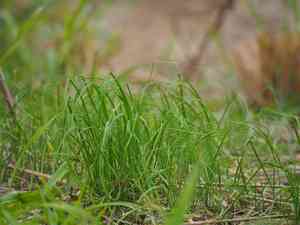
Long-stamen chive (Allium macrostemon)
Also known as: Japanese Garlic, Macro Garlic
The bulb of the long-stamen chive can reach up to 61 cm in size. This plant blooms during the summer and is typically pollinated by insects and bees. Its bulb is edible and can be consumed either cooked or raw, and is often used as a garnish in salads. Additionally, the juice of this plant can be used to repel moths and moles.
In This Article
Attributes of Long-stamen chive
Lifespan
Perennial
Plant Type
Herb
Plant Height
60 cm
Spread
Not applicable (herbaceous plant)
Leaf Color
Green
Flower Size
1 cm
Flower Color
White Purple
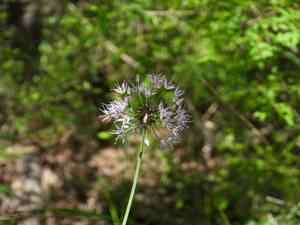
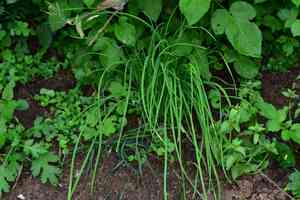
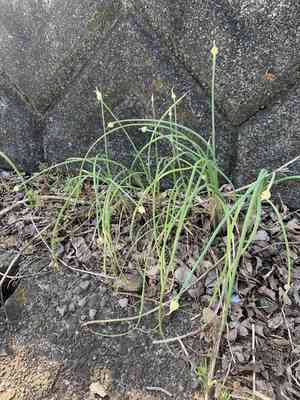
Images of Long-stamen chive

Quickly Identify Long-stamen chive
1
The plant can be identified by its long, slender, tubular leaves and its flowers, which are small and arranged in umbels. The bulbs are typically small and have a garlic-like smell.
Scientific Classification of Long-stamen chive
Phylum
Vascular plants
Class
Monocotyledons
Order
Asparagus and allies
Family
Amaryllis
Genus
Onions
Species
Long-stamen chive
Planting and Growing of Long-stamen chive
Care Difficulty
Easy
Watering Schedule
Every 3 days
Sunlight Requirements
Partial sun
Sunshine Duration
4-8 hours
Ideal Temperature
60-75℉
Soil Type
Potting Mix, Peat Mix
Soil pH
6.5-7.5
Fertilizer Type
Balanced
Pruning Season
Spring, Summer
Pruning Area
Branches, Leaves
Pruning Frequency
2 times a year
Repotting Season
Spring
Pot Type
Plastic, Ceramic
 How to Water Long-stamen chive?
When watering Allium macrostemon, ensure the soil is evenly moist but not waterlogged. A thorough watering of around 200 milliliters is generally sufficient. The aim is to saturate the root zone without letting the plant stand in water. Check that the top inch of soil has dried before watering again to prevent root rot and promote healthy growth.
What are the symptoms of an underwatered Long-stamen chive?
›
What should I do if my Long-stamen chive is not getting enough water?
›
What are the symptoms of an overwatered Long-stamen chive?
›
How to save an overwatered Long-stamen chive?
›
 What Are the Sunlight Requirements for Long-stamen chive?
Partial sun is ideal, ensuring a balance between light capture and leaf protection. Ideal light enhances blooming ability, strengthens stem structure, and maintains vibrant foliage, essential for Allium macrostemon.
More About Sunlight Requirements Techniques→
How much sunlight is ideal for Allium macrostemon?
›
What are alternatives if direct sunlight is not available?
›
What happens when the plant gets ideal light?
›
 What Is the Ideal Temperature Range for Long-stamen chive?
The ideal temperature range for Allium macrostemon is between 60°F and 75°F. Maintaining this range helps to optimize the plant's growth conditions, ensuring vigorous foliage development and robust bulb formation. Temperatures within this range facilitate efficient photosynthesis and nutrient uptake by the plant.
 What Soil is Best for Long-stamen chive?
Allium macrostemon thrives best in well-drained soil. This type of soil prevents waterlogging, which can lead to root rot. By ensuring good drainage, the plant's roots remain healthy and can access the necessary nutrients and oxygen they need to grow robustly. This plant benefits significantly from soil that is rich in organic matter. Nutrient-rich soils provide a steady supply of essential minerals and nutrients, encouraging vigorous growth and vibrant blooms. Adding compost or well-rotted manure can enhance soil fertility considerably. Allium macrostemon prefers slightly alkaline soil conditions with a pH ranging from 6.5 to 7.5. Maintaining this pH range aids in nutrient absorption, particularly calcium and magnesium, which are crucial for the plant's development and flowering.
 How to Fertilize Long-stamen chive?
For Allium macrostemon, the recommended fertilizer amount should be modest to avoid over-fertilization. For liquid fertilizers, use about 1/4 strength of the recommended dosage on the bottle. For slow-release fertilizers, apply according to package instructions, usually around 30 grams per square meter.
 How to Prune Long-stamen chive?
Begin by inspecting the plant to spot any dead, damaged, or diseased stems and leaves. These can be identified by their brown or black coloration and a lack of vitality, which can drain resources from healthy parts of the plant. Use your gardening shears to make clean, diagonal cuts on the identified unhealthy parts of the plant. Make the cuts close to the root without damaging it to ensure new growth during the next season. Remove spent flowers to prevent the plant from channelling energy into seed production. This encourages the growth of new blooms and improves the plant's overall health and vigor in the following season.
More About Pruning Techniques→
 How to Propagate Long-stamen chive plant?
1
Ensure the soil is well-draining and slightly acidic. Add compost to enrich the soil with nutrients. This step is crucial for both seed and division methods to provide a healthy growing environment.
2
Place the seeds in a seed tray filled with potting mix, lightly cover them, and keep the soil moist. Position the tray in a sunny location, ensuring temperatures between 15-20°C for optimal germination over 2-3 weeks.
3
During early spring, dig up mature plants and gently separate the bulbs. Replant the divisions at the same depth as they were growing before, ensuring good spacing for growth.
 How to Repot Long-stamen chive plant?
1
Allium macrostemon often signals its need for repotting when its growth slows down significantly, roots protrude from the drainage holes, or the soil compacts and stops draining effectively. These signs typically suggest that the plant is ready for more space or fresh nutrient-rich soil, making spring or autumn the ideal seasons for this task.
2
When selecting a new pot for your Allium macrostemon, opt for one that is just slightly larger than the current one, with good drainage holes to prevent water retention. A ceramic or plastic pot can help maintain root health by providing adequate insulation and moisture control, effectively supporting plant growth.
3
Select a well-draining, sandy loam soil to repot Allium macrostemon. This type of soil prevents water from stagnating around the roots, thus reducing the risk of root rot while providing enough nutrients and support for healthy growth and blooming.
Learn More About Long-stamen chive Diseases
Anthracnose
Bacterial Leaf Spot
Bacterial Soft Rot
Bacterial Wilt
Chemical Injury
Damping-off
Downy Mildew
Drought Stress
Fusarium Wilt
Gray Mold
Leaf Spot
Mosaic
Nutrient Deficiency
Nutrient Toxicity
Powdery Mildew
Root Rot
Root-knot Nematode
Rusts
Sooty Mold
Spider Mites
Temperature Stress
Thrips Damage
White Mold



