How to Transplant Welsh onion?
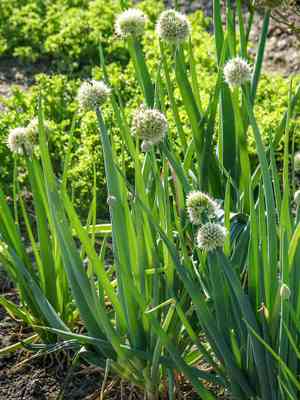
The most favorable period for relocating welsh onion is during the rejuvenating warmth of early to mid-spring, which facilitates successful integration. Choose a bright spot with soil that drains effectively. When moving the plant, preserve the root system's wholeness to encourage robust development.
Essential Preparations Before Relocating Welsh Onion
Optimal Period for Transplanting Welsh Onion
The best time for moving welsh onion is early to mid-spring when the ground is ready for cultivation. Shifting welsh onion during this timeframe encourages strong root growth, as the cool spring weather helps roots establish before summer's heat. Transplanting welsh onion within this suggested window ensures they benefit from ideal growing conditions, setting the stage for abundant growth.
Recommended Spacing Between Welsh Onion Plants
When moving welsh onion, ensure each plant is positioned approximately 1-2 feet (30-60 cm) apart. This spacing provides ample room for your plants to expand and thrive without competing for resources. It's a solid foundation for a successful transplant.
Ideal Soil Mixture for Welsh Onion Transplantation
Regarding soil and nutrients, welsh onion thrives in rich, well-drained soil with a pH of 6.0-7.0. Before planting, incorporate some compost or organic material for added nourishment. A slow-release, balanced fertilizer can also offer initial support.
Choosing the Right Location for Your Welsh Onion
Place your welsh onion in a sunny spot! They prefer full sun but can tolerate partial shade. Observe your garden's sunlight patterns throughout the day to find the perfect location. Remember, some afternoon shade can prevent excessive sun exposure.
Tools Required for Welsh Onion Transplantation
Trowel
Smaller than a shovel, making it ideal for digging small holes to transplant seedlings or compact plants like welsh onion.
Gardening gloves
To safeguard your hands from soil and potential sharp objects.
Watering can or hose
To moisten the soil around the welsh onion plant before moving and to water it afterward.
Compost
To supply the plant with ample nutrients in its new location.
Spade
To excavate larger welsh onion plants from their original position.
Buckets
To transport the plant during relocation, minimizing root damage.
Gardening Scissors
To trim any dead or damaged roots before replanting.
Method for Extracting Welsh Onion from the Soil
Method for Extracting Welsh Onion from the Soil
From Ground: If the welsh onion is currently in the ground, water the soil to soften it. Then, dig a wide circle around the welsh onion plant â about a foot from the base â deep enough to get beneath the root system. Carefully lift the plant, taking care not to harm the roots.From Pot: If the welsh onion is in a pot, water it thoroughly an hour before transplanting. Turn the pot sideways, hold the welsh onion near the base, and gently pull and twist to ease it out. Avoid pulling the plant by its stems.From Seedling Tray: If you are handling a welsh onion seedling, ensure to transplant it after it has developed two true leaves. Use a dibbler or your fingers to carefully remove the seedling from the tray, being cautious not to damage the roots and retaining as much soil around them as possible.
Detailed Steps for Transplanting Welsh Onion
Preparation
Clear the area of any debris. Holes should be twice the width of the root ball and equally deep.
Position
Place the welsh onion plant in the hole, ensuring it stands upright. Its crown should be level with or slightly below the surface.
Backfilling
Refill the hole with original soil mixed with compost. Gently compact the soil with your hands.
Watering
Water the plant gently right up to its base to settle the soil around the roots.
Mulching
Where appropriate, apply a layer of mulch around the plant's base to help retain moisture and suppress weeds.
Post-Transplantation Care for Welsh Onion
Consistent watering
After transplanting, it's vital to keep the soil consistently moist. Therefore, watering should be done regularly, depending on the weather, typically every two days.
Monitoring
Closely observe the plant for the first couple of weeks. Look for any wilting or discoloration. If this occurs, more watering and less sun exposure may be necessary.
Trimming
If you notice that the leaves of welsh onion begin to brown at the edges after transplanting, you may need to trim them to reduce stress on the plant.
Resolving Common Issues with Welsh Onion Transplantation.
What's the optimal time of year to transplant welsh onion?
The best seasons to transplant welsh onion are during S1 and S2. That's when it can establish its roots most effectively!
How much space should I leave between welsh onion when transplanting?
To ensure each welsh onion has room to thrive, allow a gap of 1-2 feet (30-60 cm) between each plant.
What should I do if my transplanted welsh onion appears wilted?
It's normal! Ensure proper watering and allow it time. If the problem persists, it might indicate root damage during transplanting.
Why isn't my transplanted welsh onion growing?
Ensure your welsh onion receives ample sunlight. Also, check its soil; it prefers rich, well-draining soil.
What type of soil does welsh onion prefer when transplanting?
Welsh onion thrives in nutrient-rich, well-draining soil. Lightly fertilize the soil before transplanting to help it get a strong start.
How deep should the hole be for transplanting welsh onion?
The hole for welsh onion should be deep enough to fully cover the roots, typically around 10 inches (25 cm).
How often should I water welsh onion after transplanting?
Water your welsh onion thoroughly immediately after transplanting. Then, aim for a regular routine to keep the ground moist, not soggy.
Can I transplant welsh onion from a pot into my garden?
Indeed! Simply ensure that you take the entire root system and transplant it into a 10 inches (25 cm) deep hole.
How to prevent root damage when transplanting welsh onion?
Be gentle! Make sure the root system is intact while digging it out. Also, make the new hole spacious enough for the roots.
What to do if welsh onion shows yellowing leaves after transplantation?
Yellowing may indicate overwatering or poor drainage. Reduce watering and check the soil. If it's a drainage issue, you might need to move the plant.



