How to Transplant Frizzle sizzle?
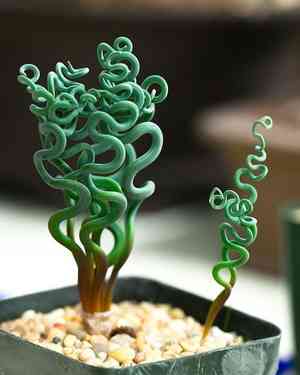
Frizzle sizzle flourishes when relocated between late winter and early spring, as it benefits from moderate temperatures. Select a bright, well-draining spot to optimize its development. Handle its root system with care to lessen transplant stress, ensuring a smooth adjustment.
What Preparations are Needed Before Transplanting Frizzle Sizzle?
What is the Ideal Time for Transplanting Frizzle Sizzle?
Frizzle sizzle, a perennial plant, is best moved from early spring to mid-spring or mid-winter to late winter. These periods offer milder temperatures and increased moisture, promoting better root establishment. Relocating frizzle sizzle during these cooler seasons minimizes stress and maximizes growth potential, ensuring a healthy, thriving plant.
How Much Space Should You Leave Between Frizzle Sizzle Plants?
When transplanting frizzle sizzle, ensure each plant is spaced 6-10 inches (15-25 cm) apart. This will provide ample room for growth and prevent overcrowding.
What is the Best Soil Mix for Frizzle Sizzle Transplanting?
For frizzle sizzle, utilize well-draining soil amended with sand or grit. Preparing the base with a balanced fertilizer will give the plant a good start. Aim for a soil pH of 6-7.
Where Should You Relocate Your Frizzle Sizzle?
Frizzle sizzle thrives in sunlight! Select a sunny location where it can receive at least 6 hours of direct sunlight daily. If you reside in a very hot climate, partial shade during the warmest parts of the day is also acceptable.
What Equipments Should You Prepare Before Transplantation Frizzle Sizzle?
Gardening Gloves
To safeguard your hands while handling soil and plants.
Shovel or Spade
To excavate a hole for the frizzle sizzle plant and to lift it from its original spot.
Watering Can or Hose
To hydrate the plant before and after relocation.
Trowel
For more precise digging around delicate root systems.
Pruning Shears
To trim any damaged or dead foliage.
Compost or Mulch
To enrich the soil and aid in moisture retention.
How Do You Remove Frizzle Sizzle from the Soil?
How Do You Remove Frizzle Sizzle from the Soil?
From Pot: Begin by thoroughly watering the frizzle sizzle plant to moisten the soil, making removal easier. Hold the plant's base while gently tilting the pot to one side. Tap the pot's sides and bottom to loosen the soil. Carefully extract the plant, ensuring no root damage. If necessary, use a trowel to assist in easing the plant out.From Seedling Tray: Water seedlings well before removal. Use a trowel to carefully scoop out seedlings, keeping as much soil around the roots as possible. Handle seedlings gently to avoid damaging young roots.From Ground: First, water the frizzle sizzle plant to dampen the soil. Then, dig a wide trench around the plant using a shovel or spade, ensuring the plantâs root ball remains intact. Carefully work the spade under the root ball to lift the plant from its original location.
Step-by-Step Guide for Transplanting Frizzle Sizzle
Site Preparation
Choose a location with adequate sunlight and space for your frizzle sizzle plant to reach its full size. Ensure the soil is well-draining and free of weeds.
Digging the Hole
Excavate a hole that is twice as wide and as deep as the root ball of your frizzle sizzle plant. Loosen the soil at the bottom of the hole to encourage root establishment.
Planting
Position the frizzle sizzle plant in the hole, ensuring it is at the same depth as it was in its previous location. Backfill the hole with soil, gently pressing it down around the roots to eliminate air pockets.
Watering
Thoroughly water the transplanted frizzle sizzle plant immediately after planting. This helps to settle the soil around the roots and reduces transplant shock.
Applying Mulch
Apply a layer of compost or mulch around the plant's base to help retain moisture and regulate soil temperature.
How Do You Care For Frizzle Sizzle After Transplanting?
Watering
Keep the soil around the frizzle sizzle consistently moist, but not waterlogged, for the initial few weeks post-transplant to aid in strong root development.
Monitoring
Observe for signs of transplant shock, such as wilting or yellowing leaves. Provide additional care, like extra watering or shading, if needed.
Fertilizing
Wait a few weeks before applying any fertilizer to the newly transplanted frizzle sizzle to prevent root burn.
Pruning
Remove any damaged or dead foliage to help the plant direct its energy towards establishing new roots.
Troubleshooting Common Issues with Frizzle Sizzle Transplantation.
When is the best time to transplant frizzle sizzle?
Frizzle sizzle should be transplanted between early spring to mid-spring, or mid-winter to late winter.
What is the recommended spacing for frizzle sizzle after transplanting?
Space frizzle sizzle 6-10 inches (15-25 cm) apart to allow adequate room for growth.
How deep should I plant frizzle sizzle bulbs during transplanting?
Plant frizzle sizzle bulbs about 2 inches (5 cm) deep to give them a solid start.
How do I prepare the soil for transplanting frizzle sizzle?
Ensure the soil is well-draining and enriched with compost for optimal growth of frizzle sizzle.
What should I do if frizzle sizzle appears stressed after transplanting?
Ensure adequate watering without waterlogging the soil, and provide some shade if needed.
How do I care for frizzle sizzle immediately after transplanting?
Water gently and regularly, keeping the soil moist but not soggy, to help frizzle sizzle establish.
Do I need to fertilize frizzle sizzle after transplanting?
Lightly fertilize frizzle sizzle with a balanced, slow-release fertilizer to support healthy new growth.
Can I transplant frizzle sizzle if it's already flowering?
It's best to transplant frizzle sizzle during its dormancy or early growth stage to minimize stress.
What should I do if frizzle sizzle bulbs get damaged during transplanting?
Discard severely damaged bulbs and plant intact bulbs with care to ensure healthy growth.
How long will it take for frizzle sizzle to establish after transplanting?
Frizzle sizzle typically takes a few weeks to establish, with visible new growth signaling successful transplanting.



