How to Transplant Three-leaf akebia?
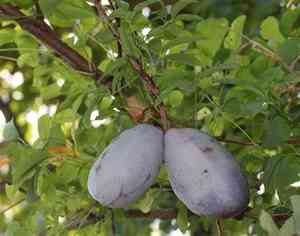
The most favorable period for relocating Akebia trifoliata is from the end of spring into the beginning of summer, offering an ideal mix of warm earth and moderate temperatures for root development. Select a location that receives partial sunlight and possesses good drainage, making certain the specimen has ample space to expand. Careful manipulation of the root system throughout the procedure is advantageous.
What Preparations are Needed Before Transplanting Three-leaf Akebia?
What is the Ideal Time for Transplanting Three-leaf Akebia?
The optimal window for relocating three-leaf akebia is from late spring to early summer. This timing allows three-leaf akebia to establish its root system before the intense summer heat, minimizing transplant shock and encouraging robust development. A mild, warm environment during this phase provides the best conditions for three-leaf akebia's developing roots. Moving three-leaf akebia at this point also offers the advantage of a full growing season ahead, setting the stage for a strong, flourishing plant.
How Much Space Should You Leave Between Three-leaf Akebia Plants?
When transplanting three-leaf akebia, ensure adequate spacing for each plant to grow. A general guideline is to maintain 4-6 feet (1.2-1.8 meters) between individual plants. This will enable them to thrive without competing for essential resources.
What is the Best Soil Mix for Three-leaf Akebia Transplanting?
For three-leaf akebia, well-draining soil is paramount. Consider incorporating compost or organic matter to enrich its composition. Prior to planting, broadcast a balanced, slow-release fertilizer as a foundational nutrient source. A 10-10-10 (nitrogen, phosphorus, potassium) ratio would be an excellent starting point.
Where Should You Relocate Your Three-leaf Akebia?
Three-leaf akebia thrives in ample sunlight. Therefore, select a site that receives full to partial sun for the majority of the day. However, remember that each plant is unique, so ensure it's not exposed to excessively scorching conditions!
What Equipments Should You Prepare Before Transplantation Three-leaf Akebia?
Gardening Gloves
These are crucial for protecting your hands while handling soil and the three-leaf akebia plant.
Spade or Shovel
You will need this for excavating the planting hole for three-leaf akebia.
Trowel
This small gardening implement is useful for digging minor holes and shifting small quantities of soil.
Gardening Fork
This tool is used to loosen the soil surrounding the three-leaf akebia plant before its removal from the original spot.
Watering Can
You'll require this to hydrate the plants following transplantation.
Mulch
This material is applied to cover the ground around the plant after transplanting to help retain soil moisture and inhibit weed growth.
Support Stake
If your three-leaf akebia plant is somewhat top-heavy, you might need a stake to keep it upright post-transplant.
How Do You Remove Three-leaf Akebia from the Soil?
How Do You Remove Three-leaf Akebia from the Soil?
From Ground: First, moisten the soil around the three-leaf akebia plant by watering it. Then, using a gardening fork, carefully loosen the soil surrounding the plant, taking care to keep the root ball intact. Gently work the spade beneath the root ball to lift the plant, striving to preserve as many roots as possible.From Pot: Water the pot thoroughly and allow it to sit for a few hours. This will facilitate easy removal of the root ball. Turn the pot on its side, grasp the three-leaf akebia plant at its base, and gently pull the plant while tapping the bottom of the pot. Crucially, avoid pulling too forcefully as this could harm the plant.From Seedling Tray: Water the seedlings, then carefully extract a single three-leaf akebia seedling by pushing up on the drainage hole or using a popsicle stick to lever it out, being cautious not to damage the roots or stem.
Step-by-Step Guide for Transplanting Three-leaf Akebia
Preparation
Ensure the transplant site is already prepared. The hole should be twice as wide and as deep as the three-leaf akebia's root ball.
Placing the Plant
Position the three-leaf akebia plant in the hole, with the top of the root ball level with or slightly above the surrounding soil to prevent water accumulation.
Refilling the Hole
Backfill the hole with the original soil or a mixture of garden soil and compost, gently firming it around the base of the three-leaf akebia plant.
Watering
Thoroughly water the three-leaf akebia plant, ensuring the moisture penetrates to the root zone.
Mulching
Apply a layer of mulch around the plant's base to promote soil moisture retention and suppress weeds.
How Do You Care For Three-leaf Akebia After Transplanting?
Watering
For the initial weeks following transplantation, ensure the soil around the three-leaf akebia plant remains consistently moist, but not waterlogged.
Pruning
Only prune the three-leaf akebia plant to encourage a healthier structure and remove damaged or diseased sections; avoid excessive pruning as it could impede growth.
Monitoring
Regularly inspect the plant for any indications of stress such as wilting or leaf discoloration. Early detection can prevent minor issues from escalating into serious problems.
Staking
If your three-leaf akebia plant requires support, use a stake to keep it upright and stable.
Troubleshooting Common Issues with Three-leaf Akebia Transplantation.
When is the ideal time of year for transplanting three-leaf akebia?
The most appropriate time of year for transplanting three-leaf akebia is from late summer to early fall (S3-S4).
How much space does three-leaf akebia require when transplanting?
Three-leaf akebia needs ample room to grow and thrive. Position each plant approximately 4-6 feet (1.2-1.8 meters) apart.
What should I do if three-leaf akebia wilts after transplanting?
If three-leaf akebia wilts after transplanting, it may be experiencing transplant shock. Ensure it receives ample water and shade for the first few days.
What type of soil does three-leaf akebia prefer when transplanting?
Three-leaf akebia favors well-draining soil that is slightly acidic. Incorporating compost into the soil can help maintain its vitality.
Can I transplant three-leaf akebia mature plant?
Yes, although it's advisable to ensure that three-leaf akebia has been thoroughly watered before the transplant for easier soil and rootball removal.
How deep should I plant a three-leaf akebia when transplanting?
When transplanting, excavate a hole twice the size of its rootball and plant three-leaf akebia at the same depth it was previously growing.
Do I need to prune three-leaf akebia after transplanting?
It is beneficial to prune three-leaf akebia after transplanting to remove any damaged or diseased areas and to encourage bushier growth.
How often should I water three-leaf akebia after transplanting?
Initially, water three-leaf akebia deeply, then continue to provide it with consistent moisture for the first few weeks after transplantation.
Should I mulch around three-leaf akebia after transplanting?
Absolutely, applying mulch around the base of three-leaf akebia can help conserve moisture and deter weeds.
Why is my transplanted three-leaf akebia not blooming?
Three-leaf akebia may require time to adjust before it resumes blooming. Proper care, including watering and feeding, will enhance its performance.



