How to Transplant Korean pyramid bugle?
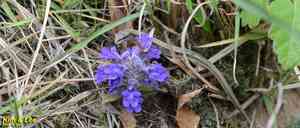
The most suitable period for relocating korean pyramid bugle is from early to late spring or in late autumn, providing the plant with prime circumstances for root establishment. Select a site with partial shade to full sunlight, and ensure the soil offers good drainage for peak development.
What Preparations are Necessary Before Relocating Korean Pyramid Bugle?
What is the Optimal Period for Relocating Korean Pyramid Bugle?
Korean pyramid bugle flourishes most effectively when moved from early to late spring or late autumn. These periods provide cooler temperatures and consistent moisture, minimizing transplant shock and encouraging root development. By selecting these times, you ensure healthier growth and resilience, setting the perennial up for enduring prosperity.
How Much Distance Should You Maintain Between Korean Pyramid Bugle Plants?
For relocating korean pyramid bugle, aim to position the plants 6-12 inches (15-30 cm) apart to give them adequate room to expand and spread.
What is the Ideal Soil Mixture for Korean Pyramid Bugle Relocation?
Prepare soil that drains well and is enriched with organic material or compost. Utilize a balanced base fertilizer suitable for perennial plants to supply korean pyramid bugle with the necessary nutrients for vigorous growth.
Where Should You Move Your Korean Pyramid Bugle?
Korean pyramid bugle prefers a spot with partial to full shade. Select an area in your garden that receives filtered sunlight for the best outcomes.
What Tools Should You Prepare Before Relocating Korean Pyramid Bugle?
Gardening Gloves
To safeguard your hands while handling soil and the plant.
Shovel or Spade
For excavating and lifting the plant from its initial position.
Trowel
To assist in digging small holes at the new relocation site.
Watering Can or Hose
For hydrating the plant before and after its move.
Pruning Shears
To trim any damaged or surplus roots during the relocation process.
Mulch
To aid in retaining soil moisture around the newly relocated plant.
How Do You Extract Korean Pyramid Bugle from the Ground?
How Do You Extract Korean Pyramid Bugle from the Ground?
From Ground: First, hydrate the korean pyramid bugle plant to moisten the soil. Then, excavate a wide trench around the plant using a shovel or spade, ensuring the plant's root ball remains intact. Carefully work the spade beneath the root ball to lift the plant from its original spot.From Pot: Water the korean pyramid bugle plant thoroughly before removal. Gently tap the pot's sides to loosen the soil. Turn the pot sideways and carefully slide the plant out by pulling on the stem's base while supporting the root ball.From Seedling Tray: Water the seedlings to facilitate the removal process. Use a small trowel or your fingers to carefully lift each korean pyramid bugle seedling by its base, ensuring the root ball stays intact.
Step-by-Step Guide for Relocating Korean Pyramid Bugle
Site Preparation
Ensure the new location is ready by clearing any weeds and loosening the soil. Dig a hole that's twice as wide and as deep as the root ball of your korean pyramid bugle plant.
Removing the Plant
Follow the specific steps outlined in the 'removal process' section to carefully extract the korean pyramid bugle plant from its original spot.
Relocating
Position the korean pyramid bugle plant in the newly dug hole, ensuring the top of the root ball is level with the ground surface. Fill the hole around the plant with soil, gently pressing it down to eliminate air pockets.
Watering
Water the korean pyramid bugle plant immediately after relocating to help settle the soil around the roots. Ensure the soil is moist but not waterlogged.
Applying Mulch
Apply a layer of mulch around the base of your korean pyramid bugle plant to help retain moisture and suppress weeds. Keep the mulch from directly touching the stem.
How Do You Care For Korean Pyramid Bugle After Relocation?
Watering
Keep the soil around the korean pyramid bugle consistently moist, but not saturated, for the initial few weeks after relocation to aid in establishing strong roots.
Monitoring
Regularly inspect the korean pyramid bugle plant for indications of stress such as wilting or yellowing leaves and adjust care as necessary.
Weeding
Keep the area surrounding the korean pyramid bugle plant free of weeds to reduce competition for nutrients and water.
Pruning
Trim any dead or damaged leaves or stems to encourage healthy development.
Fertilizing
After a few weeks, consider a light application of balanced fertilizer to support new growth, being careful to follow the product instructions to avoid over-fertilization.
Troubleshooting Common Issues with Korean Pyramid Bugle Relocation.
When is the optimal time to relocate korean pyramid bugle?
The best time is early to late spring or late fall for prime growth.
How much space should I leave between plants?
Space them 6-12 inches (15-30 cm) apart to allow for expansion.
What soil type is ideal for korean pyramid bugle?
Well-drained, moderately fertile soil works best. Ensure it holds some moisture but isn't waterlogged.
How deep should I plant korean pyramid bugle?
Plant at the same depth as they were in their original location. Keep the crown at soil level.
What should I do if my relocated korean pyramid bugle wilts?
Ensure consistent watering and partial shade to help it recover from relocation shock.
How can I prevent root damage during relocation?
Carefully dig around the plant and lift it with a soil ball to safeguard the roots.
Should I fertilize immediately after relocating?
Wait two weeks before fertilizing to allow the plant to settle into its new environment.
Can I relocate korean pyramid bugle in hot weather?
Avoid relocating in hot weather. If necessary, provide extra watering and shade.
How do I prepare the new site for korean pyramid bugle?
Clear weeds, loosen the soil, and amend it with compost to enrich it for the plant.
What aftercare is needed post-relocation?
Water regularly, mulch to retain moisture, and monitor for any signs of stress or disease.



