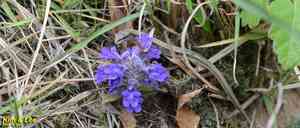
Korean pyramid bugle (Ajuga multiflora)
Also known as: Ajuga japonica, Japanese bugleweed
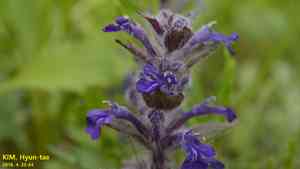
The Korean pyramid bugle is a hardy perennial herb that thrives in moist, shaded habitats. It has square stems and serrated, elongated leaves. During spring, it produces eye-catching blue to purple flower spikes that attract pollinators. Sometimes, its leaves may turn a purplish hue, adding to its ornamental appeal and helping with its identification.
In This Article
Attributes of Korean pyramid bugle
Lifespan
Perennial
Plant Type
Herb
Plant Height
20 cm
Spread
50 cm to 1 m
Leaf Color
Green
Flower Size
1-2 cm
Flower Color
Purple Blue
Images of Korean pyramid bugle
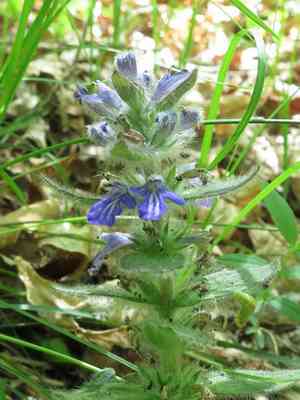
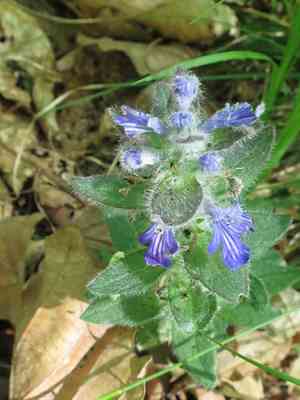
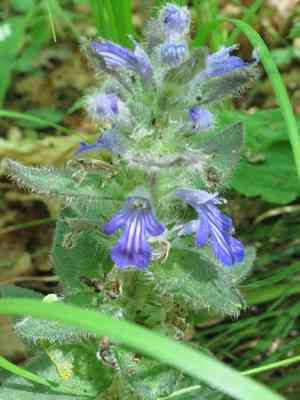
Quickly Identify Korean pyramid bugle
1
Ajuga multiflora can be identified by its square stems, opposite leaf arrangement, and dense clusters of blue to purple flowers. The leaves are often glossy and have a slightly serrated edge.
Scientific Classification of Korean pyramid bugle
Phylum
Vascular plants
Class
Dicotyledons
Order
Mints plantains olives and allies
Family
Mint
Genus
Bugleweed
Species
Korean pyramid bugle
Planting and Growing of Korean pyramid bugle
Care Difficulty
Easy
Watering Schedule
Every 4 days
Sunlight Requirements
Partial sun
Sunshine Duration
8-12 hours
Ideal Temperature
60-75℉
Soil Type
Potting Mix, Peat Mix
Soil pH
6.5-7.5
Fertilizer Type
Balanced
Pruning Season
Spring, Summer
Pruning Area
Branches, Leaves
Pruning Frequency
2 times a year
Repotting Season
Spring
Pot Type
Terracotta, Plastic
 How to Water Korean pyramid bugle?
Ajuga multiflora appreciates consistent moisture, yet it should never be waterlogged. An ideal rule of thumb is to water until the soil is evenly moist about 2 inches below the surface, ensuring the roots receive sufficient hydration without sitting in standing water.
What are the symptoms of an underwatered Korean pyramid bugle?
›
What should I do if my Korean pyramid bugle is not getting enough water?
›
What are the symptoms of an overwatered Korean pyramid bugle?
›
How to save an overwatered Korean pyramid bugle?
›
 What Are the Sunlight Requirements for Korean pyramid bugle?
Ajuga multiflora prefers partial sun, benefits from balanced light exposure, achieving healthy foliage and robust growth, which aids in disease resistance and flowering.
What is the Ideal Light Level?
›
How to Achieve Ideal Light?
›
Benefits of Ideal Lighting?
›
 What Is the Ideal Temperature Range for Korean pyramid bugle?
Ajuga multiflora thrives in mild temperatures where the environment is neither too cold nor too hot. The ideal temperature range for optimal growth is between 60°F to 75°F. At this range, the plant can maintain its physiological processes efficiently, including photosynthesis and nutrient uptake, which are crucial for its growth and development.
 What Soil is Best for Korean pyramid bugle?
Ajuga multiflora thrives in loamy soil with good moisture retention. This soil type ensures the roots receive consistent hydration, facilitating vigorous growth and vibrant foliage. Essential for Ajuga multiflora, adequate drainage prevents waterlogging. This reduces the risk of root rot, maintaining plant vitality and encouraging the formation of dense, healthy mats. This plant prefers soil rich in organic matter, which provides essential nutrients. Such composition supports robust plant health and enhances flowering, contributing to a thriving garden.
 How to Fertilize Korean pyramid bugle?
Ajuga multiflora prefers a balanced approach to fertilization. For liquid fertilizers, use a 1/2 strength balanced formula high in phosphorus to promote blooming, typically mixing 5ml per liter of water. Be sure not to over-apply, as this could lead to leaf burn.
 How to Prune Korean pyramid bugle?
To prune Ajuga multiflora effectively, start by using sharp, sterilized pruning shears to remove any dead or damaged foliage. Trim back any overgrown or sprawling stems to encourage a bushier growth habit. Aim to maintain the natural shape of the plant, making cuts just above a growth node to promote new branching. Thinning the plant by removing some of the oldest and crowded stems can improve air circulation and reduce the risk of fungal diseases. Focus on the center of the clump to ensure light reaches all parts of the plant. This will result in a healthier and more robust Ajuga multiflora.
More About Pruning Techniques→
 How to Propagate Korean pyramid bugle plant?
1
Choose a well-draining potting mix. This supports root health by preventing waterlogging, which can lead to root rot. Mixing in some perlite or sand can improve drainage.
2
Select healthy stems of about 4-6 inches. Ensure each has at least two leaves. Cut the stem at a 45-degree angle to increase the surface area for rooting hormone absorption.
3
Gently lift the plant from its container and separate into smaller sections, making sure each has a good root system. Replant immediately to prevent desiccation.
 How to Repot Korean pyramid bugle plant?
1
Ajuga multiflora needs repotting when its roots outgrow the pot, or the plant shows signs of slow growth despite proper care. Spring and autumn provide optimal conditions with moderate temperatures, allowing the plant to establish itself in new soil. Keep an eye on root-bound indicators like roots emerging from the drainage holes.
2
Select a pot that's only slightly larger than the current one to avoid overpotting. A well-sized pot aids in preventing excessive water retention, reducing root rot risks. Ensure it has adequate drainage holes to facilitate water movement and prevent stagnation, which could otherwise harm the plant roots.
3
Opt for a well-draining potting mix, preferably with added perlite or sand, to enhance water drainage. This type of soil replicates the natural growing conditions of Ajuga multiflora, allowing roots to breathe and helping prevent root rot caused by overwatering, especially in more humid climates.
Learn More About Korean pyramid bugle Diseases
Anthracnose
Bacterial Leaf Spot
Bacterial Soft Rot
Bacterial Wilt
Crown Gall
Cyst Nematode
Damping-off
Downy Mildew
Drought Stress
Fusarium Wilt
Gray Mold
Leaf Spot
Mosaic
Nutrient Deficiency
Nutrient Toxicity
Powdery Mildew
Root Rot
Root-knot Nematode
Rusts
Sooty Mold
Spider Mites
Temperature Stress
Thrips Damage
White Mold



