How to Transplant False aloe?
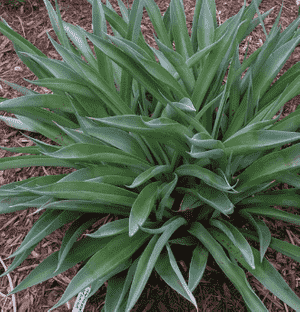
For best results, transplant false aloe during the invigorating period of early to mid-spring, as conditions are ideal for development. Select a well-drained, sun-exposed location to suit its robust characteristics, ensuring the attention needed to preserve its striking appearance.
What Preparations are Needed Before Transplanting False Aloe?
What is the Ideal Time for Transplanting False Aloe?
The optimal period for relocating false aloe is at the start of its active growth phase, specifically early to mid-spring. This timing allows the root system ample opportunity to establish itself prior to the onset of summer heat. Moving false aloe during this window ensures a smooth transition with minimal plant stress, providing a strong base for its year-round vitality. The cool yet warming soil conditions of spring foster excellent root development, guaranteeing false aloe begins the season robustly. This serves as a gentle reminder for gardeners that careful selection of the best transplanting time can greatly enhance false aloe's health and lifespan.
How Much Space Should You Leave Between False Aloe Plants?
To foster a healthy environment for false aloe, ensure each plant is spaced approximately 3-5 feet (0.9-1.5 meters) apart. This provides sufficient room for growth and prevents overcrowding, promoting overall plant well-being.
What is the Best Soil Mix for False Aloe Transplanting?
For false aloe, select a well-draining soil rich in organic matter. Sandy or gritty compositions are most suitable. Supplement this with a slow-release granular fertilizer to supply essential nutrients over time.
Where Should You Relocate Your False Aloe?
When choosing a new location for false aloe, an area with full sun exposure is ideal. These plants thrive in sunlight and need at least 6 hours of direct sun daily. However, they can also tolerate some partial shade.
What Equipments Should You Prepare Before Transplantation False Aloe?
Gardening Gloves
Use these to safeguard your hands while handling soil and false aloe.
Shovel
This tool is necessary for digging an appropriate hole for your false aloe plant.
Gardening Fork
This implement assists in loosening the soil at the original site for easier plant removal.
Pruning Shears
If your false aloe has any dead leaves, use this tool to trim them off.
Watering Can
This will be utilized to keep the plant's root ball moist during the transplanting process.
Mulch
After transplanting, mulch will be applied to help maintain soil moisture and temperature.
Compost
This will supply vital nutrients to the plant in its new setting.
How Do You Remove False Aloe from the Soil?
How Do You Remove False Aloe from the Soil?
From Ground: To extract the false aloe plant from the ground, first irrigate the area surrounding it. This will soften the soil, making it simpler to dig around the plant. Using a gardening fork, gently loosen the soil around the plant, taking care not to damage the roots. Once loosened, use a shovel to dig a trench around the false aloe, ensuring its root ball remains intact. Dig as deep as needed to safely remove the plant without harming its roots.From Pot: First, water your false aloe plant in its container to moisten the soil. This will facilitate easier removal of the plant from the pot. Gently tip the pot sideways and lightly tap it to dislodge the plant, then carefully pull the plant out by holding the base of the stem. Be careful not to pull too forcefully to avoid breaking the root ball. If the plant doesn’t come out easily, you might need to tap harder or, if necessary, break the pot.From Seedling Tray: Water the tray to make the soil damp. Using a spoon, carefully lift the seedling from the tray, ensuring all roots remain undamaged.
Step-by-Step Guide for Transplanting False Aloe
Preparing the New Location
Dig a hole in your chosen spot, ensuring it is as deep as the root ball and twice its width. The loose soil will aid root expansion in the new location.
Removal
Follow the previously described method to remove the false aloe from its original spot without damaging the roots.
Transplanting
Position the false aloe plant in the hole, with the top of the root ball level with the soil surface. Backfill around the root ball, gently firming the soil without compacting it.
Watering
After planting, thoroughly water the plant. This will help the soil retain moisture and settle around the plant's roots.
Mulching
Apply mulch around the plant; this will help retain soil moisture and temperature, and suppress weeds.
How Do You Care For False Aloe After Transplanting?
Watering
The soil around the false aloe should be kept consistently moist, but not waterlogged, for the initial few weeks post-transplant. This will aid in establishing strong roots.
Pruning
Trim any wilted or damaged leaves that may have occurred during the transplant process to encourage new growth.
Monitoring
Closely observe the false aloe after transplanting for at least several weeks. Regularly check its progress and watch for any signs of stress or disease. A healthy, transplanted false aloe should exhibit new growth within a few weeks.
Feeding
After approximately one month, begin feeding your false aloe with compost or a slow-release, potassium-rich fertilizer to promote robust root and foliage development.
Troubleshooting Common Issues with False Aloe Transplantation.
When is the best time to transplant false aloe?
The ideal season for transplanting false aloe is during S1 and S2. This helps the plant to efficiently settle and flourish.
How should I space false aloe while transplanting?
A spacing of approximately 3-5 feet (0.9-1.5 meters) would be optimal. This allows each plant ample room to grow without competing for nutrients and sunlight.
What kind of soil should I use for transplanting false aloe?
False aloe prefers well-drained soil. Amend the planting site with organic matter or compost to enhance drainage if it tends to hold water.
How deep should I plant false aloe?
Dig a hole roughly twice the diameter of false aloe's root ball and deep enough so the plant sits at the same depth it was previously growing.
What's the proper method to remove false aloe for transplantation?
Loosen the soil around false aloe using a spade, ensuring minimal damage to the roots. Carefully lift it, preserving as many roots as possible.
How often do I need to water false aloe after transplantation?
Remember to water false aloe thoroughly immediately after transplanting, then generally once a week. Adjust this based on weather conditions and the plant's moisture requirements. Overwatering can lead to root rot.
Should I fertilize false aloe after transplantation?
It's not necessary to fertilize right away. You can begin a regular fertilizing schedule after false aloe has had time to settle, usually around one month after planting.
How can I ensure false aloe survives the shock of transplanting?
Water well before and after transplanting. Protect false aloe from extreme temperature fluctuations for the first week or so, either by moving it indoors or providing some form of outdoor shade.
Are there any signs of transplant shock I should be aware of?
Common indicators include yellowing leaves, wilting, and slowed growth. If you observe these, reduce plant stress as much as possible and keep it adequately watered.
What's the best way to care for false aloe after transplanting?
Provide consistent care - water regularly, watch for pests, protect from extreme temperatures, and ensure it receives the correct amount of sunlight.



