How to Transplant Florida hobblebush?
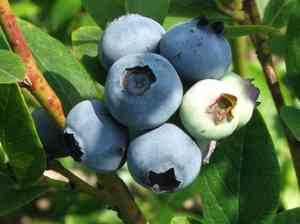
The optimal period for relocating florida hobblebush spans from late spring through the initial weeks of summer, leveraging the elevated temperatures and extended daylight. Confirm that florida hobblebush is positioned in soil that drains effectively, possesses an acidic pH, and receives partial shade. Handle with care to avoid imposing strain on the fragile root structure.
What Preparations are Needed Before Transplanting Florida Hobblebush?
What is the Ideal Time for Transplanting Florida Hobblebush?
The optimal period to relocate florida hobblebush is during late spring when temperatures are mild, fostering root development without extreme heat or cold. Moving florida hobblebush at this time allows it to benefit from the entire growing season, leading to vigorous growth. This timing ensures florida hobblebush settles into its new spot before summer's intense heat, which is vital for its health and expansion. Planting in this season, florida hobblebush thrives with longer days and gentle nights, increasing its chances of flourishing. A helpful tip: light spring showers naturally irrigate the newly transplanted florida hobblebush, reducing the need for extra watering and aiding its transition.
How Much Space Should You Leave Between Florida Hobblebush Plants?
Begin correctly by providing your florida hobblebush ample room to expand. Position each young plant approximately 3-4 feet (0.9-1.2 meters) apart. This spacing ensures they have sufficient area to spread out and thrive.
What is the Best Soil Mix for Florida Hobblebush Transplanting?
For optimal outcomes, prepare your soil prior to planting. Florida hobblebush prefers soil that drains well, ideally ranging from sandy to loamy. Incorporate a high-quality, all-purpose garden fertilizer to provide your plant with a nutrient-rich start.
Where Should You Relocate Your Florida Hobblebush?
When selecting a site for your florida hobblebush to flourish, remember it thrives in partial to full sunlight. Therefore, an area receiving abundant filtered daylight would be an excellent choice.
What Equipments Should You Prepare Before Transplantation Florida Hobblebush?
Gardening Gloves
Protects hands from thorns or sharp branches while working.
Shovel or Trowel
Used to excavate soil around the florida hobblebush, keeping the root system intact during removal.
Gardening Apron
Shields clothing from dirt and debris during garden work.
Watering Can
Crucial for hydrating the plant before extraction and after replanting.
Wheelbarrow
Useful for transporting the florida hobblebush from its original spot to the new site if the plant is large and the distance is considerable.
Mulch
Helps regulate soil moisture and temperature after planting.
Pruning Shears
May be useful for selectively trimming branches to ease the transplantation process.
How Do You Remove Florida Hobblebush from the Soil?
How Do You Remove Florida Hobblebush from the Soil?
From Ground: Begin by watering the florida hobblebush to moisten the soil, making digging easier. With a shovel, carefully dig around the plant's root ball, keeping it as intact as possible. Gradually work the shovel beneath the root ball to lift the plant. Always handle the plant by its root ball, not its trunk or stems.From Pot: Water the florida hobblebush until the soil is damp. Lay the pot on its side, and gently tap the sides and bottom to loosen the soil. Carefully slide the florida hobblebush out without disturbing the root ball.From Seedling Tray: Water the seedlings thoroughly. Insert a small tool or your finger into the soil, beneath the roots. Lift each seedling, holding onto the leaves rather than the stem or roots.
Step-by-Step Guide for Transplanting Florida Hobblebush
Preparation
Prepare the planting hole to be about twice the width of the florida hobblebush's root ball and of equal depth. A wider hole allows roots to spread and establish quickly. A depth matching the root ball ensures the plant sits at the correct ground level.
Placing
Position the florida hobblebush in the center of the hole. Ensure the top of the root ball is level with the surrounding soil. If not, adjust the soil beneath the root ball.
Filling
Backfill the area around the root ball with the excavated soil. Gently tamp it down to firm the soil and eliminate any air pockets.
Watering
Water the plant after transplanting to settle the soil around the roots and aid its establishment in the new location.
Mulching
Apply a layer of mulch around the florida hobblebush. This helps conserve water, suppress weeds, and maintain a consistent soil temperature.
How Do You Care For Florida Hobblebush After Transplanting?
Watering
Newly planted florida hobblebush requires consistent watering. Until the plant is established, this will likely be a daily task. Ensure the entire root zone is moistened.
Pruning
Any broken or damaged roots should be trimmed to encourage new growth. For the initial year, only prune to shape the plant or remove spent flowers and dead, dying, or diseased wood.
Pest and Disease Control
Remain vigilant for indications of pests and diseases. Address any issues promptly with the appropriate treatment.
Troubleshooting Common Issues with Florida Hobblebush Transplantation.
When is the ideal time to transplant florida hobblebush?
The perfect period for relocating florida hobblebush is from late spring (S2) to early fall (S4). This allows the plant to adjust to new conditions before winter.
What's the ideal spacing for florida hobblebush during transplantation?
For florida hobblebush, provide ample space of approximately three to four feet (91 cm to 122 cm). This enables the roots to expand and the plant to thrive.
Why are my transplanted florida hobblebush wilting and what can I do?
Wilting after transplantation is typically due to water stress. Ensure florida hobblebush receives sufficient, but not excessive, water. The soil should remain moist, but not waterlogged.
How do I prepare the ground for transplanting florida hobblebush?
Begin by clearing the site of weeds and grass. Then, incorporate generous amounts of organic matter and compost to enrich the soil before planting florida hobblebush.
How deep should I plant transplanted florida hobblebush?
Dig a hole for florida hobblebush that is twice as wide and the same depth as the root ball. The plant's crown should be level with the surrounding soil once planted.
Can I use fertilizer when transplanting florida hobblebush?
Yes, a mild slow-release fertilizer can assist florida hobblebush in establishing in its new location. However, avoid high-nitrogen fertilizers as they can initially harm the plant.
What should be the aftercare for florida hobblebush once transplanted?
Water the florida hobblebush thoroughly after transplanting and maintain moisture during the initial weeks. Mulch around the plant can help retain moisture and suppress weeds.
My florida hobblebush seems to struggle to establish after transplanting. What could be wrong?
Ensure florida hobblebush is not planted too deep or too shallow. The root ball should be level with the soil. Also, monitor watering, as too much or too little can cause problems.
What to do if the leaves of transplanted florida hobblebush start to yellow?
Yellowing leaves often indicate watering issues. Check the soil moisture level and adjust watering accordingly. Too much water can be as detrimental as too little for florida hobblebush.
How will I know if my transplanted florida hobblebush is healthy and adjusting well?
Healthy florida hobblebush will display bright, robust leaves, and new growth will appear within a couple of weeks. Poor condition or lack of growth may suggest issues with the transplantation.



