How to Transplant African-lily?
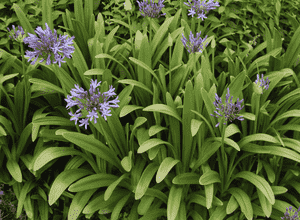
Relocate african-lily during the ideal period of mid-spring through early summer, providing sufficient time for roots to settle prior to colder weather. Select a bright spot with soil that drains effectively, and carefully loosen the root mass when transplanting for optimal outcomes.
What Preparations are Needed Before Transplanting African-lily?
What is the Ideal Time for Transplanting African-lily?
The optimal period to relocate african-lily is from delightful mid-spring through early summer. Moving it then encourages robust root development, ensuring african-lily flourishes in its new spot!
How Much Space Should You Leave Between African-lily Plants?
When relocating african-lily, it's crucial to provide ample room for growth. Aim for a separation of approximately 1-2 feet (30-60 cm), allowing them sufficient area to expand and thrive.
What is the Best Soil Mix for African-lily Transplanting?
For african-lily, you'll want to prepare a well-draining soil blend enriched with organic matter, such as compost. Incorporating a foundational fertilizer, like a slow-release granular type, can supply essential nutrients to give african-lily the best start.
Where Should You Relocate Your African-lily?
Select a site for african-lily that receives a minimum of 6 hours of daily sunlight. These plants prefer full sun but can endure partial shade. In particularly warm climates, a location with morning sun and afternoon shade might be perfect.
What Equipments Should You Prepare Before Transplantation African-lily?
Gardening Gloves
To safeguard your hands while handling soil and african-lily.
Shovel or Spade
For excavating the new planting hole and lifting the plant from its original spot.
Pruning Shears
To trim any dead or damaged roots or foliage.
Trowel
For digging smaller holes and adjusting the transplant cavity.
Watering Can or Hose
For hydrating the plant during and after its relocation.
Mulch
To aid in moisture retention and regulate soil temperature post-transplant.
How Do You Remove African-lily from the Soil?
How Do You Remove African-lily from the Soil?
- From Ground:First, hydrate the african-lily plant to moisten the earth. Next, excavate a wide trench around the plant using a shovel or spade, ensuring the plant's root ball remains intact. Carefully work the spade beneath the root ball to lift the plant from its initial position.- From Pot:Water the african-lily in its container to dampen the soil. Place one hand on the plant's base, with fingers spread to support its stem. Gently invert the pot, carefully pulling the plant by its base as it slides out. Avoid pulling by leaves or stems, as this may cause harm.- From Seedling Tray:Fill a small planting hole with water to help moisten the soil. Use a small trowel or your fingers to gently loosen the soil around the african-lily seedling. Carefully lift it out, taking care to preserve as much of the root system as possible.
Step-by-Step Guide for Transplanting African-lily
Dig Transplant Hole
Excavate a hole at the new planting site that matches the depth of the african-lily's root ball and is twice as wide.
Prepare the Plant
Use pruning shears to remove any damaged or diseased roots or foliage from the african-lily plant.
Plant Placement
Position the african-lily plant into the transplant hole, ensuring it sits at the same depth as it was in its original location. Spread the roots out in the hole to encourage proper growth.
Backfill the Hole
Fill the transplant hole with soil, gently patting it down around the plant's roots to eliminate any air pockets.
Watering
Thoroughly water the newly transplanted african-lily plant until the soil is uniformly moist.
Mulch Application
Apply a layer of mulch around the plant's base to help retain moisture and regulate soil temperature.
How Do You Care For African-lily After Transplanting?
Watering
Keep the soil around the african-lily consistently moist, but not waterlogged, for the initial few weeks post-transplant to aid in strong root establishment.
Pruning
Remove any wilted or dead foliage after transplanting to redirect the plant's energy towards root development and new growth.
Monitoring
Observe the african-lily plant's progress for several weeks following transplanting and adjust your care routine as needed to ensure its health and growth.
Fertilizing
Wait at least 4 to 6 weeks after transplanting before applying a balanced, slow-release fertilizer to promote continued growth.
Troubleshooting Common Issues with African-lily Transplantation.
When is the best time to transplant african-lily?
The optimal period to relocate african-lily is during mid-spring to early summer, when the plant is actively growing.
What is the recommended spacing for transplanting african-lily?
Ensure african-lily plants have a spacing of 1-2 feet (30-60 cm) to promote healthy growth and prevent overcrowding.
What are the ideal soil conditions for transplanting african-lily?
African-lily prefers well-draining, fertile soil with a pH level of 6.0-7.0. Add compost to improve soil quality.
How deep should I plant african-lily when transplanting?
Plant african-lily at the same depth as its previous location, ensuring the plant crown is slightly above the soil.
How much sunlight does african-lily need after transplanting?
African-lily thrives in full sun to partial shade. Position your plant in an area receiving at least 6 hours of sun.
What is the proper watering routine for african-lily after transplanting?
Water african-lily thoroughly after transplanting. Keep the soil moist but not soggy, and reduce watering as it establishes.
What is the best potting mix for transplanting african-lily into containers?
Use a high-quality potting mix that includes peat moss or leaf mold for moisture retention and adequate drainage.
Should I fertilize african-lily after transplanting?
Wait 4-6 weeks before applying a balanced, slow-release fertilizer. Ensure equal amounts of nitrogen, phosphorus, and potassium.
How can I protect african-lily from transplant shock?
Promote root establishment by trimming damaged roots. Shelter the plant from direct sun and wind for the first week.
When will african-lily bloom after transplanting?
African-lily will typically bloom 4-6 weeks after transplanting, if properly cared for. Ensure optimal sunlight, water, and nutrients.



