How to Transplant Chinese horse chestnut?
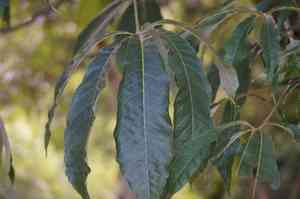
The optimal period for relocating chinese horse chestnut is from early to mid-spring, fostering vigorous development. Select a sunny location featuring adequately draining earth, and preserve the root mass undisturbed throughout the transfer to facilitate a smooth adaptation.
What Preparations are Needed Before Transplanting Chinese Horse Chestnut?
What is the Ideal Time for Transplanting Chinese Horse Chestnut?
The best months to move chinese horse chestnut are during spring's onset, specifically from early to mid-spring. This period offers a good mix of mild temperatures and sufficient moisture, promoting strong root development before summer's heat. Moving chinese horse chestnut at this time allows it to benefit from a full growing season, maximizing its vigor and flowering potential. A spring transplant provides your chinese horse chestnut with the best start for flourishing in its new spot.
How Much Space Should You Leave Between Chinese Horse Chestnut Plants?
To allow your chinese horse chestnut ample room to develop, position each plant approximately 15-20 feet (~ 5-6 meters) apart. This spacing supports robust growth and prevents overcrowding, which can lead to disease.
What is the Best Soil Mix for Chinese Horse Chestnut Transplanting?
Chinese horse chestnut thrives in soil that drains well. Before moving it, enrich the soil by incorporating compost or a general-purpose fertilizer. This will supply vital nutrients and create a more favorable growing environment.
Where Should You Relocate Your Chinese Horse Chestnut?
Select a site for your chinese horse chestnut where it will receive full sun to partial shade. Keep in mind, it prefers a sunnier spot but can endure some shade throughout the day.
What Equipments Should You Prepare Before Transplantation Chinese Horse Chestnut?
Gardening Gloves
To shield your hands from dirt and sharp parts while handling chinese horse chestnut.
Shovel or Spade
For digging planting holes and extracting chinese horse chestnut from its initial location.
Garden Trowel
For precise removal and relocation tasks, especially if chinese horse chestnut is from a container or seedling tray.
Watering Can
For hydrating chinese horse chestnut both at its original site (to loosen soil) and after being moved.
Garden Fork
Used to aerate the soil at the new planting spot.
Measuring Tape
To ensure chinese horse chestnut is planted at an appropriate distance from other plants and structures.
Mulch
Helps retain soil moisture and suppress weed growth after transplant.
How Do You Remove Chinese Horse Chestnut from the Soil?
How Do You Remove Chinese Horse Chestnut from the Soil?
From Ground: Start by dampening the soil around chinese horse chestnut with a watering can. This will facilitate its removal from the ground. Then, using a shovel or spade, carefully dig a trench around the plant, maintaining a safe distance from the base to protect the root ball. Once the trench is complete, gently slide the shovel beneath the root ball and lift chinese horse chestnut from the ground.From Pot: Water chinese horse chestnut in its container to loosen the soil. Then, carefully turn the pot on its side and tap it to release chinese horse chestnut. If roots are circling the pot's bottom, gently separate them before transplanting.From Seedling Tray: If chinese horse chestnut is in a seedling tray, ensure you water the tray first. Gently remove the seedling by holding a leaf, never by its stem. Use a trowel for assistance if needed.
Step-by-Step Guide for Transplanting Chinese Horse Chestnut
Prepare Your Site
After selecting the appropriate location (considering the previously mentioned factors), begin preparing the ground. Loosen the soil with a garden fork in the area you've designated for planting your chinese horse chestnut.
Dig a Hole
Using your shovel or garden trowel, excavate a hole that is twice as wide and the same depth as the root ball of your chinese horse chestnut.
Plant chinese horse chestnut
Carefully place chinese horse chestnut in the hole, ensuring it sits at the same height as it did in its original spot. The top of the root ball should be flush with the soil surface.
Backfill the Hole
Fill the remaining portion of the hole with the soil you initially removed, gently firming it around the base to secure chinese horse chestnut.
Water and Mulch
Give chinese horse chestnut a thorough watering to establish contact between its roots and the new soil. Spread a layer of mulch around chinese horse chestnut, but ensure it does not touch the stem or trunk.
How Do You Care For Chinese Horse Chestnut After Transplanting?
Monitoring
Observe your chinese horse chestnut closely for several weeks following transplanting. Look for any indications of transplant shock, such as yellowing leaves or drooping stems.
Watering
Water your chinese horse chestnut regularly but avoid overwatering; waterlogged soil can harm your plant. Be mindful of your chinese horse chestnut's moisture requirements as it establishes itself.
Pruning
Prune your chinese horse chestnut as needed to maintain good air circulation and light penetration. However, wait a few weeks after transplant to begin pruning.
Avoid Fertilizing
Do not fertilize immediately after transplanting. Allow at least two weeks for chinese horse chestnut to adapt to its new surroundings.
Pest Control
Be watchful for pests and diseases. Consider organic pest control methods if necessary to minimize stress on your newly transplanted chinese horse chestnut.
Troubleshooting Common Issues with Chinese Horse Chestnut Transplantation.
When is the best time to transplant my chinese horse chestnut?
The ideal period for moving chinese horse chestnut is during its dormant phase, typically from late autumn to early spring.
How far apart should I space chinese horse chestnut during transplanting?
Chinese horse chestnut requires adequate room to grow and thrive. It's best to plant them approximately 15-20 feet (4.5-6 meters) apart.
How deep should I plant the chinese horse chestnut?
Chinese horse chestnut should be planted as deep as its root ball plus an additional 10-20%, or about 10 inches (25cm) deep.
How often should I water chinese horse chestnut after transplanting?
Immediately after transplant, water chinese horse chestnut thoroughly. Afterward, aim for a deep watering every 7-10 days, until the plant is well established.
What type of soil does chinese horse chestnut prefer for transplanting?
Chinese horse chestnut flourishes in well-drained soil. Enhance it with organic matter for optimal results. Steer clear of heavy clay soils, as they do not drain effectively.
How much sunlight does chinese horse chestnut need after transplanting?
Chinese horse chestnut prefers full sun to partial shade. A location with morning sun and afternoon shade would be perfect.
How do I prevent transplant shock in chinese horse chestnut?
Ensure chinese horse chestnut is adequately hydrated before and after transplantation. Also, avoid transplanting during harsh weather conditions to reduce stress on the plant.
Can I transplant chinese horse chestnut in a pot?
Absolutely! Simply place your chinese horse chestnut in a container large enough to accommodate its current root ball with space to expand, while ensuring proper drainage.
What is the best type of fertilizer to use when transplanting chinese horse chestnut?
Chinese horse chestnut benefits from a balanced, slow-release fertilizer. This ensures that essential nutrients are supplied over an extended period after transplant.
Should I prune chinese horse chestnut after transplanting?
Pruning right after transplanting is not necessary. Instead, allow your chinese horse chestnut some time to settle. If needed, light shaping can be done the following season.



