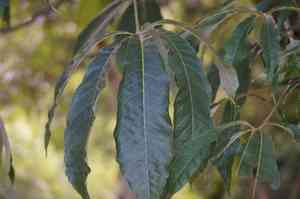
Chinese horse chestnut (Aesculus chinensis)
Also known as: Chinese Horse Chestnut
The Chinese horse chestnut is a sizable deciduous tree that remains largely unknown and underutilized outside of its native region. This tree's seeds are rich in saponins, which serve as a natural soap alternative. Locally harvested, the soap derived from this tree emits a unique chestnut aroma.
In This Article
Attributes of Chinese horse chestnut
Lifespan
Perennial
Plant Type
Tree
Plant Height
25 m
Spread
10 m
Leaf Color
Green
Flower Size
10-20 centimeters per cluster
Flower Color
White Yellow Pink
Images of Chinese horse chestnut
Quickly Identify Chinese horse chestnut
1
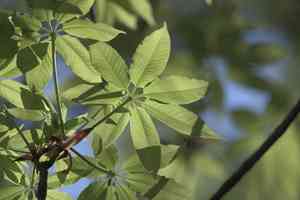
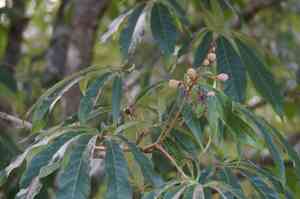
Identify Aesculus chinensis by its large, compound leaves with 5-7 leaflets, and its spiny, capsule-like fruits. The flowers are arranged in erect, pyramidal clusters.
Scientific Classification of Chinese horse chestnut
Phylum
Vascular plants
Class
Dicotyledons
Order
Maples, mangos, mahogany, citrus, and allies
Family
Soapberry
Genus
Buckeye
Species
Chinese horse chestnut
Planting and Growing of Chinese horse chestnut
Care Difficulty
Moderate
Watering Schedule
Every 2 days
Sunlight Requirements
Full sun
Sunshine Duration
4-8 hours
Ideal Temperature
59-77℉
Soil Type
Potting Mix, Peat Mix
Soil pH
6.5-7.5
Fertilizer Type
Balanced
Pruning Season
Spring, Summer
Pruning Area
Branches, Leaves
Pruning Frequency
2 times a year
Repotting Season
Spring
Pot Type
Ceramic, Plastic
 How to Water Chinese horse chestnut?
When watering Aesculus chinensis, you should aim to thoroughly moisten the soil without making it waterlogged. About 300 milliliters per watering is typically sufficient, but this can vary depending on the size of the plant and pot. Ensure the top layer of soil is dry before the next watering session to prevent over-saturation and ensure adequate drainage.
What are the symptoms of an underwatered Chinese horse chestnut?
›
What should I do if my Chinese horse chestnut is not getting enough water?
›
What are the symptoms of an overwatered Chinese horse chestnut?
›
How to save an overwatered Chinese horse chestnut?
›
 What Are the Sunlight Requirements for Chinese horse chestnut?
Aesculus chinensis thrives in full sun to partial sun, which allows it to maximize photosynthesis. By ensuring this light range, the plant develops denser foliage and enhances its aesthetic appeal.
More About Sunlight Requirements Techniques→
How much sunlight does Aesculus chinensis need?
›
What is the solution to achieve ideal lighting?
›
What are the benefits of ideal light for Aesculus chinensis?
›
 What Is the Ideal Temperature Range for Chinese horse chestnut?
The ideal temperature range for Aesculus chinensis, also known as the Chinese horse chestnut, should be between 59 and 77 degrees Fahrenheit. This range ensures that the plant can grow vigorously, maintaining healthy foliage and optimal physiological processes. In this range, the plant will perform photosynthesis efficiently, enabling it to thrive and resist diseases better.
 What Soil is Best for Chinese horse chestnut?
Aesculus chinensis prefers soil that drains well to avoid waterlogging, which can lead to root rot. Good drainage ensures that the roots receive adequate oxygen, promoting healthy growth and vibrant foliage. Nutrient-rich soil is essential for Aesculus chinensis as it supports robust growth and flowering. A balanced mix of organic matter can enhance soil fertility and provide the necessary nutrients for the plant's development. While well-draining, the soil should also have the ability to retain moisture to keep the roots hydrated, especially during dry periods. This balance helps in maintaining the plant's overall health and vigor.
 How to Fertilize Chinese horse chestnut?
Aesculus chinensis typically requires moderate fertilizer quantities. For liquid fertilizers, you can use a dilution of one tablespoon per gallon of water. It's important not to over-fertilize as it can lead to nutrient burn.
 How to Prune Chinese horse chestnut?
Start by identifying any dead or diseased branches as these should always be removed first to prevent any infection from spreading. Use clean, sharp tools to make a clean cut. Focus on trimming branches that cross each other or rub against each other to prevent wounds. Shape the tree by selectively cutting back branches to maintain a strong structure. In the first few years after planting, it's important to develop a strong framework. Prune to create a balanced form, removing competing leaders to establish a clear central leader. This will encourage a more structured and aesthetically pleasing growth pattern.
More About Pruning Techniques→
 How to Propagate Chinese horse chestnut plant?
1
Collect seeds from mature Aesculus chinensis fruits, usually during late summer or early autumn. Remove the seeds and soak them in water for 24 hours to soften the seed coat and promote germination.
2
Select healthy, semi-hardwood cuttings in late spring. Trim to about 15 cm in length, remove lower leaves, and dip the cut ends in a rooting hormone to stimulate root growth.
3
Choose compatible rootstock and scion for grafting. Perform grafting in spring using methods like whip or cleft grafting. Secure the graft with tape and cover it to maintain humidity.
 How to Repot Chinese horse chestnut plant?
1
Aesculus chinensis shows signs that it's ready to be repotted, such as roots emerging from the drainage holes or when the plant becomes top-heavy, indicating root bound. An optimal time to repot is during new growth periods in spring or autumn.
2
Select a pot that is 2 inches larger in diameter than the current one, ideally with drainage holes. This provides adequate space for root expansion and prevents waterlogging, promoting healthier growth.
3
Opt for a well-draining, loamy soil mix to ensure good aeration and moisture retention without waterlogging. This soil type supports optimal nutrient uptake and root health for Aesculus chinensis.
Toxicity
ingestion or contact with sap
WARNING
The judgment on toxicity and danger is for reference only. We DO NOT GUARANTEE any accuracy of such judgment. Therefore, you SHALL NOT rely on such judgment. It is IMPORTANT TO SEEK PROFESSIONAL ADVICE in advance when necessary.



