How to Transplant Kiwi?
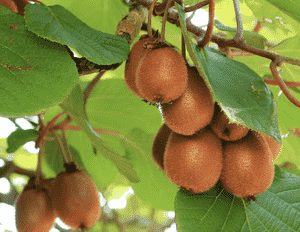
Relocate kiwi plants during the mild period of mid to late spring, once the ground has warmed and the danger of frost has subsided, to facilitate their successful integration into a new environment. Select a location bathed in sunlight with soil that drains effectively, providing kiwi with an optimal beginning. Incorporating a small amount of compost will gently stimulate root development.
What Preparations are Needed Before Transplanting Kiwi?
What is the Ideal Time for Transplanting Kiwi?
The optimal period for relocating kiwi is during the calm mid-spring to early summer months. This timing allows kiwi to establish roots before the heat intensifies, offering a smooth transition. Moving them in these milder seasons boosts root development, ensuring kiwi flourishes vigorously.
How Much Space Should You Leave Between Kiwi Plants?
When transplanting kiwi, ensure you space them 10-15 feet (3-4.5 meters) apart. This provides ample room for each plant to grow and thrive without competing for resources. Remember, giving them space to develop is crucial!
What is the Best Soil Mix for Kiwi Transplanting?
Utilize well-draining soil for your kiwi, and enrich it with a foundational fertilizer high in organic matter. The soil should have a balanced pH, as kiwi prefers a slightly acidic to neutral pH. Prepare your soil, and your kiwi will flourish!
Where Should You Relocate Your Kiwi?
Select a site with full to partial sunlight for your kiwi. They enjoy the sun but also benefit from a bit of shade. Remember, a proper balance of sunlight is essential to keep your kiwi content and thriving!
What Equipments Should You Prepare Before Transplantation Kiwi?
Gardening Gloves
To keep your hands clean and protected while handling the kiwi plant and soil.
Shovel or Spade
To excavate the kiwi plant from its current spot or, if acquiring a new plant, to dig a hole in the chosen transplant location.
Pruning Shears
To trim any dead or damaged sections of the kiwi plant before transplanting.
Garden Hose or Watering Can
To hydrate the plant after it has been relocated.
Wheelbarrow or Plant Bucket
To transport the kiwi plant if itâs large or heavy.
Garden Trowel
To gently extract the plant from a pot or seedling tray.
Mulch
To help retain moisture and regulate temperature around the kiwi plant after transplanting.
How Do You Remove Kiwi from the Soil?
How Do You Remove Kiwi from the Soil?
From Ground: First, use your hands or the trowel to loosen the soil surrounding the kiwi plant, taking care not to disturb the roots. Then, using a spade or shovel, dig around the plant's root ball and carefully lift it from the ground. Be sure to keep as much of the original soil intact with the roots.From Pot: Water the kiwi plant thoroughly a few hours before the transplant to facilitate the removal process. After this, tip the pot sideways with your hand securing the plant at the base and gently pull it out.From Seedling Tray: Water the seedling tray to make the soil pliable. Then, carefully remove the kiwi plant by loosening the soil around each seedling and lifting it with gentle care, ensuring you maintain as much root and soil as possible intact.
Step-by-Step Guide for Transplanting Kiwi
Plant Preparation
Before rehoming your kiwi, take some time to prune any dead or damaged parts using your shears; this will give it a healthier start in its new location.
Digging the Hole
The hole for the kiwi should be twice the width and the same depth as the root ball. It's better to make the hole slightly too shallow rather than too deep.
Placement
Once the hole is dug, place the kiwi in the hole. Ensure that the top of the root ball is level with or slightly above the ground.
Refilling the Hole
Backfill the hole with excavated earth, firming it gently all around the roots. Make sure that no roots are exposed to the air.
Watering
Following the transplant, the kiwi should be thoroughly watered.
How Do You Care For Kiwi After Transplanting?
Mulching
Spread mulch around but not touching the trunk of the kiwi plant. This will reduce water evaporation and prevent weeds from growing around the plant.
Pruning
Don't worry if the plant loses a few leaves or wilts a bit initially, but avoid heavy pruning during the first year after transplanting. This allows the kiwi plant to focus on developing a robust root system.
Watering
In the initial period post-transplant, kiwi needs to be watered regularly until it becomes well-established. The amount of water depends on the weather and soil type, but generally, it thrives with a deep watering every week.
Troubleshooting Common Issues with Kiwi Transplantation.
When is the best time to transplant kiwi?
The perfect time to transplant kiwi is between late winter and early spring, known as S2-S5.
What distance should I maintain between two kiwi plants during transplantation?
Space your kiwi plants around 10-15 feet (3-4.5 meters) apart to give them ample room to spread their roots and grow.
How deeply should I plant kiwi during transplantation?
Transplant kiwi at the same depth it was growing previously. Deep planting can suffocate the root system, causing poor establishment.
Can kiwi withstand dry conditions?
Kiwi prefers well-drained, moist soil. Extremely dry conditions can stress the plant. Keep the soil consistently moist, but not water-logged.
Why are the leaves of my transplanted kiwi turning yellow?
Yellowing leaves after transplanting kiwi may indicate shock from transplantation, or a nutrient deficiency. Regular care and mild fertilizers can usually remedy this.
What type of soil is best for transplanting kiwi?
Kiwi thrives in well-drained, rich, slightly acidic soil (pH 5.0 - 6.5). Amend your garden soil with organic compost to enhance its nutrient content.
How soon can I expect fruits after transplanting kiwi?
After transplanting kiwi, it usually takes around three years before you'll start seeing fruits. So, a bit of patience is required.
Do I need to prune kiwi after transplanting?
Yes, pruning is necessary after transplanting. Trim kiwi back by about one-third to encourage healthy new growth and establish a strong root system.
How do I ensure survival of kiwi post-transplant?
Regular watering, proper spacing of about 10-15 feet (3-4.5 meters), prompt pruning, and fertilizing your kiwi correctly will ensure its survival after transplant.
Do I need to stake kiwi after transplanting?
Yes, staking is important for kiwi. Provide a sturdy trellis or support structure to help it grow upright and offer stable support.



