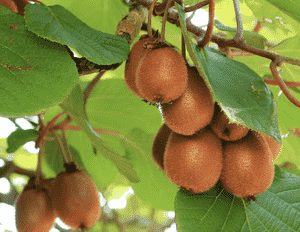
Kiwi (Actinidia chinensis)
Also known as: Golden kiwi, Kiwi fruit, Yangtao
Kiwi (Actinidia chinensis) is a vigorous, deciduous climbing vine that can reach lengths of up to 6 meters. It naturally grows in ravines, thickets, and on slopes. In North Carolina, it is recognized as an invasive species. For optimal growth, it requires full sun to partial shade. The vine produces edible fruit with smooth, bronze skin and green or yellow flesh.
In This Article
Attributes of Kiwi
Lifespan
Perennial
Plant Type
Vine
Plant Height
4.5 m to 8 m
Spread
4.5 m to 8 m
Leaf Color
Green
Flower Size
1.8 cm to 3.5 cm
Flower Color
White Yellow Cream
Images of Kiwi
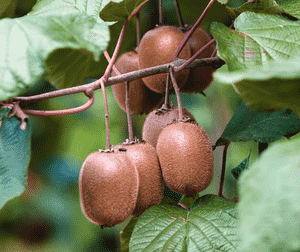
Quickly Identify Kiwi
1
Woody stems support climbing habit, twining gracefully up structures.
2
Fruit is large, egg-shaped berry with fuzzy brown skin.
3
Heart-shaped leaves with prominent veins, new growth is ornamental.
4
Whip-like stems branch sinuously, with distinctive reddish hue.
5
Bark transitions from green to dark brown, suitable for paper production.
Scientific Classification of Kiwi
Phylum
Vascular plants
Class
Dicotyledons
Order
Heathers and allies
Family
Chinese gooseberry
Genus
Actinidia
Species
Kiwi
Planting and Growing of Kiwi
Care Difficulty
Hard
Watering Schedule
Every 8 days
Sunlight Requirements
Full sun
Sunshine Duration
6-10 hours
Ideal Temperature
65-77℉
Soil Type
Potting Mix, Peat Mix
Soil pH
6-7.5
Fertilizer Type
Balanced
Pruning Season
Spring, Summer
Pruning Area
Branches, Leaves
Pruning Frequency
2 times a year
Repotting Season
Spring
Pot Type
Plastic, Ceramic
 How to Water Kiwi?
Actinidia chinensis, commonly known as the Chinese gooseberry or kiwifruit, requires moderate watering. Each watering session should involve about 500 ml of water. The goal is to moisten the root zone thoroughly without causing waterlogging. A general rule of thumb is to maintain moist, well-drained soil. Water until you notice the top inch of soil is saturated but not soggy.
What are the symptoms of an underwatered Kiwi?
›
What should I do if my Kiwi is not getting enough water?
›
What are the symptoms of an overwatered Kiwi?
›
How to save an overwatered Kiwi?
›
 What Are the Sunlight Requirements for Kiwi?
Ideal light range is full sun to partial sun. This range encourages robust foliage, vibrant blossoms, and ample fruiting, as sunlight supports optimal photosynthesis and metabolic activity.
More About Sunlight Requirements Techniques→
How much light does Actinidia chinensis need?
›
What are the solutions for acquiring ideal light for Actinidia chinensis?
›
What benefits does optimal lighting provide for Actinidia chinensis?
›
 What Is the Ideal Temperature Range for Kiwi?
The ideal temperature range for cultivating Actinidia chinensis, commonly known as kiwi, is between 65°F and 77°F. These temperatures support optimal metabolic processes and growth patterns. Kiwi plants thrive in temperate regions with moderate temperatures, where neither heat stress nor cold damage can hinder their development. Factors like humidity and soil conditions can also impact growth, but maintaining this temperature range is fundamental for healthy plant development.
 What Soil is Best for Kiwi?
Actinidia chinensis thrives in well-drained soil, which prevents root rot and ensures that the roots can breathe. Proper drainage improves nutrient uptake and enhances overall plant health, allowing the kiwi to produce juicy, vibrant fruits. The soil for Actinidia chinensis should be rich in organic matter, which supplies essential nutrients and improves soil structure. Organic-rich soils foster a beneficial soil microbiome, boosting the plant's natural defenses against pests and diseases. Kiwi plants require soil that retains moisture but does not become waterlogged. Moderate moisture levels ensure consistent hydration, which is crucial for fruit development and prevents stress during dry periods.
 How to Fertilize Kiwi?
The ideal fertilizer amount varies based on the plant's growth stage. During the active growing season, use a balanced fertilizer with a 10-10-10 NPK ratio, at a rate of 1 pound per 100 square feet. Adjust the amount to half if fertilizing immature plants.
 How to Prune Kiwi?
Start by identifying the main leader or trunk, allowing it to grow until it reaches the desired height. Once the main framework is set, prune back secondary shoots to encourage bushier growth. This process helps in establishing a strong structure as a foundation for future production. During the growing season, trim back any new growth that is excessive to encourage fruiting. Remove lateral shoots that are growing beyond the reachable area to maintain an easy-to-harvest canopy and prevent overcrowding. In winter, thin out the canopy by removing dead or diseased wood, which helps focus the plant's energy on producing healthy new growth in spring. Cut back overly dense areas to increase light and air penetration, reducing the risk of pest and disease issues.
 How to Propagate Kiwi plant?
1
Choose a mature and healthy plant with no signs of disease or pest infestation for taking cuttings or seeds. This ensures that the propagated plants will be vigorous and robust.
2
For cutting propagation, select a branch that is about 10-15 cm long. Make a clean cut just below a node and remove the leaves from the lower half to reduce water loss.
3
Dip the cut end of the cuttings into a rooting hormone, and plant them in a pot with a well-draining soil mix. Keep the soil moist but not waterlogged to prevent rot.
 How to Repot Kiwi plant?
1
Actinidia chinensis displays signs that it’s time for repotting when you notice roots growing through the drainage holes or when the plant growth becomes stunted despite adequate care. The best time to repot is in early spring or autumn, as it allows the plant to establish roots before the growth burst.
2
Select a pot that’s one or two sizes larger than the current one. The ideal pot should have drainage holes to prevent water logging, which can lead to root rot. A slightly larger pot provides adequate space for root development, supporting vibrant plant growth.
3
For Actinidia chinensis, a well-draining, slightly acidic soil is essential. Aim for a mix that replicates natural conditions, like a blend of potting soil, sand, and peat moss. This soil enhances aeration and drainage, preventing compaction and fostering healthy root growth.
Learn More About Kiwi Diseases
Anthracnose
Bacterial Leaf Spot
Bacterial Soft Rot
Bacterial Wilt
Chemical Injury
Crown Gall
Cyst Nematode
Damping-off
Downy Mildew
Drought Stress
Fusarium Wilt
Gray Mold
Leaf Curl
Leaf Spot
Mosaic
Nutrient Deficiency
Nutrient Toxicity
Powdery Mildew
Root Rot
Root-knot Nematode
Sooty Mold
Spider Mites
Temperature Stress
Thrips Damage
White Mold



