How to Transplant Japanese sweet flag?
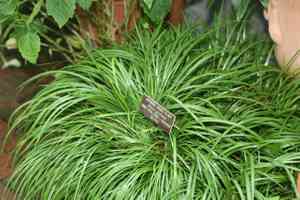
The ideal period for relocating Acorus gramineus is in the revitalizing phase of early to mid-spring, coinciding with its vigorous development cycle. Select a damp, partly shaded location to mimic its native environment, facilitating a smooth adaptation. Proceed cautiously, preserving the root system's wholeness for successful integration.
What Preparations are Needed Before Transplanting Japanese Sweet Flag?
What is the Ideal Time for Transplanting Japanese Sweet Flag?
The optimal period for relocating japanese sweet flag is during the robust growth of early to mid-spring. This timeframe offers ideal temperatures and ground conditions, fostering strong root establishment and ensuring japanese sweet flag flourishes in its new spot. Moving japanese sweet flag in this season gives it a crucial head start to acclimate before the intense heat of summer. It's an excellent chance for japanese sweet flag to benefit from spring's abundant moisture and extended daylight, promoting vigorous growth and resilience.
How Much Space Should You Leave Between Japanese Sweet Flag Plants?
When moving japanese sweet flag, aim to provide a comfortable distance of approximately 9-12 inches (22-30 cm) between each plant. This spacing is perfect for allowing your plants to thrive without competing for resources.
What is the Best Soil Mix for Japanese Sweet Flag Transplanting?
Prepare the ground for japanese sweet flag with soil that drains well and is rich in organic material. Enhance soil fertility by incorporating a good blend of compost and balanced base fertilizer before planting.
Where Should You Relocate Your Japanese Sweet Flag?
Selecting the correct site is crucial! Japanese sweet flag prefers a location with full to partial sun exposure. Therefore, choose an area in your garden that can provide this type of light. Happy gardening!
What Equipments Should You Prepare Before Transplantation Japanese Sweet Flag?
Gardening Gloves
To safeguard your hands while handling soil and roots.
Trowel
For excavating small holes and carefully extracting the plant from its original position.
Spade
Used for digging larger holes.
Pruning Shears
To trim any damaged or deceased roots.
Watering Can
For moistening the soil and hydrating the plant post-transplant.
Gardening Fork
Useful for loosening the soil at the new planting site.
How Do You Remove Japanese Sweet Flag from the Soil?
How Do You Remove Japanese Sweet Flag from the Soil?
From Ground: If japanese sweet flag is currently in the ground, first, saturate the surrounding soil with water. Use your trowel to dig a wide circle around the plant, ensuring you're far enough out to keep the root ball intact. Gently lift the plant from underneath to prevent root damage.From Pot: If your japanese sweet flag is in a pot, water it, then turn the pot on its side. Hold the plant by its base and tap the bottom of the container until the plant slides out; remember to be gentle. Keep the root ball undisturbed.From Seedling Tray: If japanese sweet flag is growing in a seedling tray, use a thin stick or even a kitchen spoon to carefully pry it out, taking care not to harm the delicate roots.
Step-by-Step Guide for Transplanting Japanese Sweet Flag
Preparation
Prepare the new planting site by loosening the soil with your gardening fork. Dig a hole twice as wide as the root ball of your japanese sweet flag, but no deeper than the root ball itself. Lightly water the hole.
Planting
Position japanese sweet flag in the center of the excavated hole. Ensure the top of the root ball is level with the surrounding soil surface. Backfill the hole with soil, gently pressing around the base of japanese sweet flag to provide firm support.
Watering
After planting your japanese sweet flag, water it thoroughly. Continue watering until the water begins to pool on the surface, indicating complete soil saturation.
Mulching
Apply a layer of mulch around the base of japanese sweet flag to help retain moisture and inhibit weed growth.
How Do You Care For Japanese Sweet Flag After Transplanting?
Regular Watering
Ensure the soil around japanese sweet flag remains consistently moist, especially during the initial weeks post-transplant. However, avoid excessive watering.
Protection
If extreme heat or frost is predicted after transplanting, offer temporary protection with a light shade cloth or frost cloth. Remove it once the weather stabilizes.
Monitoring
Inspect japanese sweet flag for any indications of transplant shock, such as wilting, yellowing, or leaf drop. If these symptoms appear, keep the plant well-hydrated and consider applying a transplanting tonic available at garden centers.
Pruning
Trim any dead or yellowing leaves to redirect the plant's energy towards healthy development.
Troubleshooting Common Issues with Japanese Sweet Flag Transplantation.
When's the best time to transplant japanese sweet flag?
The optimal period to move japanese sweet flag is between seasons 1 and 2. This is when the plant is most likely to successfully establish in its new location.
What spacing should I maintain while transplanting japanese sweet flag?
You should aim for a distance of 9-12 inches (22.86-30.48 cm) between each japanese sweet flag. This ensures they have ample room to grow without competing for resources.
Why does my transplanted japanese sweet flag look wilted?
Transplant shock is a frequent cause. It should resolve as the plant adapts. Keep the soil moderately moist and the plant in partial shade for a few days.
How should I water japanese sweet flag after transplanting?
Water japanese sweet flag sufficiently immediately after transplanting, so the soil is moist. Maintain moderate watering levels thereafter. Do not overwater, as it can lead to root rot.
Should I use any fertiliser while transplanting japanese sweet flag?
Incorporate compost or well-rotted manure into the soil to assist root development. Fertilizer isn't necessary right away, but can be used after a few weeks if growth is slow.
Where should I transplant japanese sweet flag in my garden?
Japanese sweet flag thrives in full sun to partial shade. Plan your relocation spot accordingly. It prefers moist soil, so consider areas where the soil retains some moisture.
How deep should I dig to transplant japanese sweet flag?
Dig a hole twice as wide as and slightly deeper than japanese sweet flag's root ball. This provides space for the roots to expand and firmly anchor the plant.
How to handle japanese sweet flag's root during transplanting?
Be gentle with japanese sweet flag's roots. Minimize damage by loosening the soil around the plant and carefully lifting it out.
Can I transplant japanese sweet flag in containers?
Yes, japanese sweet flag adapts well to pots. Ensure the container is large enough for the plant's size and has adequate drainage to prevent waterlogging.
Why did my japanese sweet flag die after transplantation?
Japanese sweet flag can perish post-transplant due to transplant shock, insufficient watering, sun exposure, or incorrect planting depth. Analyze these conditions for improved success next time.



