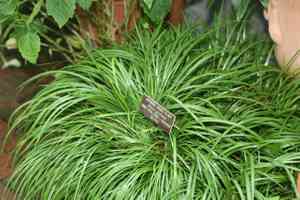
Japanese sweet flag (Acorus gramineus)
Also known as: Variegated Slender Sweet Flag, Grass-leaf sweet flag, Dwarf sedge
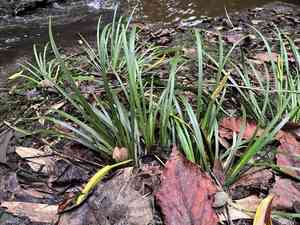
A great choice for garden water features is the Japanese Sweet Flag (Acorus gramineus). This perennial grass resembles gently flowing water with its slender, arching leaves. It thrives in marshy, wet conditions and can adapt to both saturated soil and standing water. Additionally, this versatile plant can even be cultivated indoors as a houseplant.
In This Article
Attributes of Japanese sweet flag
Lifespan
Perennial, Annual
Plant Type
Herb
Plant Height
20 cm to 30 cm
Spread
15 cm to 30 cm
Leaf Color
Green Yellow Variegated
Flower Size
8 cm to 15 cm
Flower Color
Green
Images of Japanese sweet flag
Quickly Identify Japanese sweet flag
1
Linear, shiny leaves, 6-12 inches (15-30 cm) long, dark green with sweet fragrance.
2
Vibrant red, fleshy berries, marble-sized, creating visual contrast against foliage.
3
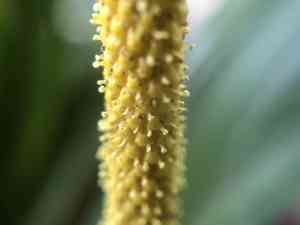
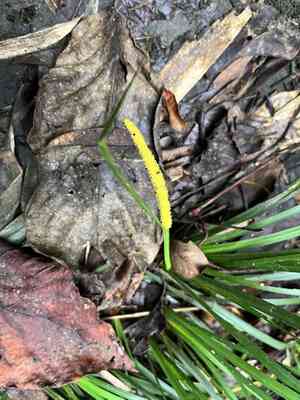
Small lateral flowers on 2-4 inches (5-10 cm) spadix with green to yellow transition.
4
Moisture-loving perennial with blade-like foliage resembling a grass tuft.
5
Glossy exterior, juicy red berries post-flowering, a notable sight in mid-spring to early summer.
Scientific Classification of Japanese sweet flag
Phylum
Vascular plants
Class
Monocotyledons
Order
Sweet flag and allies
Family
Calamus
Genus
Calamus
Species
Japanese sweet flag
Planting and Growing of Japanese sweet flag
Care Difficulty
Easy
Watering Schedule
Every 4 days
Sunlight Requirements
Partial sun
Sunshine Duration
4-10 hours
Ideal Temperature
65-75℉
Soil Type
Potting Mix, Peat Mix
Soil pH
5.5-7.5
Fertilizer Type
Balanced
Pruning Season
Spring, Summer
Pruning Area
Branches, Leaves
Pruning Frequency
2 times a year
Repotting Season
Spring
Pot Type
Plastic, Ceramic
 How to Water Japanese sweet flag?
Acorus gramineus, commonly known as sweet flag, thrives in consistently moist soil conditions. Aim for about 200 ml of water per session, ensuring the soil is thoroughly moist but not soggy. Water until it drips out of the drainage holes.
What are the symptoms of an underwatered Japanese sweet flag?
›
What should I do if my Japanese sweet flag is not getting enough water?
›
What are the symptoms of an overwatered Japanese sweet flag?
›
How to save an overwatered Japanese sweet flag?
›
 What Are the Sunlight Requirements for Japanese sweet flag?
Acorus gramineus prefers partial to full shade environments. Ideal lighting conditions support robust growth, with bright yet indirect sunlight bolstering its green hue while avoiding stress from intense exposure.
More About Sunlight Requirements Techniques→
Best Location for Light
›
Adjusting Indoors
›
Optimal Light Apparel
›
 What Is the Ideal Temperature Range for Japanese sweet flag?
The ideal temperature range for Acorus gramineus, commonly known as Japanese sweet flag, is between 65°F and 75°F. This range allows the plant to thrive, ensuring optimal growth and health. Within this range, the plant can efficiently photosynthesize and maintain its physiological processes, leading to lush foliage and a vibrant appearance.
 What Soil is Best for Japanese sweet flag?
Acorus gramineus thrives in soils with good moisture retention capabilities. Ensuring the soil is consistently moist helps promote lush, vibrant growth and prevents the leaves from browning or wilting. For optimal growth, Acorus gramineus requires soil that is rich in organic matter or nutrients. This provides essential minerals that support healthy foliage and root development while also enhancing the plant's resilience to diseases. Having well-draining soil is crucial to prevent waterlogging, which can lead to root rot in Acorus gramineus. Proper drainage ensures the roots receive adequate oxygen and avert health issues caused by excess water.
 How to Fertilize Japanese sweet flag?
For Acorus gramineus, the ideal fertilizer amount should be proportional to its size and growth stage. Typically, a balanced liquid fertilizer of 10-10-10 NPK ratio is suitable. Dilute the liquid fertilizer to half strength (around 1 tablespoon per gallon of water) when applying it to prevent any root burn.
 How to Prune Japanese sweet flag?
Begin pruning Acorus gramineus by inspecting the plant thoroughly. Use a pair of sharp, clean scissors or pruning shears to trim away dead or damaged leaves. During the process, aim to maintain the plant’s natural shape by following the existing growth pattern. If the plant becomes overgrown, more extensive pruning is required. Divide the root ball carefully into smaller sections by using a sharp knife or spade. Replant these sections to give the plant room to flourish. This process rejuvenates the plant and prevents root crowding.
More About Pruning Techniques→
 How to Propagate Japanese sweet flag plant?
1
Choose a healthy Acorus gramineus plant and water it a day before dividing. This ensures the roots are hydrated, making it easier to separate them without causing damage.
2
Use a garden spade to gently dig around the base of the plant, ensuring you dig deep enough to capture the root ball. Lift the plant carefully to avoid breaking the roots.
3
Once removed from the soil, use your hands or a sharp knife to divide the root ball into smaller sections. Each section should have several shoots and a good portion of roots.
 How to Repot Japanese sweet flag plant?
1
Repotting Acorus gramineus should be done when you notice the roots filling the pot completely or new growth is stunted. These are signs that the plant has outgrown its current environment. Spring and autumn are ideal seasons for repotting, as the plant is actively growing and can recover more quickly from the stress of being moved.
2
The perfect pot for Acorus gramineus is one with drainage holes, which is crucial for preventing waterlogged soil, a common problem that can lead to root rot. A slightly larger pot than the current one provides more room for root expansion, promoting healthy growth.
3
Opt for a rich, well-draining soil mix to provide Acorus gramineus with a balanced environment. A soil that retains some moisture but doesn't stay soggy encourages strong root development, allowing aeration and preventing excess water buildup that could harm the plant.



