How to Transplant Prairie acacia?
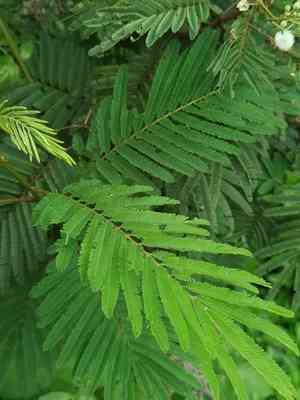
The most suitable period for relocating prairie acacia is when its growth cycle recommences, typically spanning from mid-spring through late spring. Select a location that receives ample sunlight and possesses soil that drains effectively. In this timeframe, prairie acacia can properly settle, with the extended, temperate days facilitating the growth of its root system.
What Preparations are Needed Before Transplanting Prairie Acacia?
What is the Ideal Time for Transplanting Prairie Acacia?
The best period for moving prairie acacia spans from mid-spring to its conclusion. During this time, mild temperatures and spring rains create an optimal setting for prairie acacia to develop strong roots in its new spot, ensuring vigorous growth. Choosing this window for transplanting boosts survival rates and vitality, preparing it for a thriving presence in your garden. This supports preliminary efforts, such as soil enrichment and site selection, establishing a firm base for the plant's future.
How Much Space Should You Leave Between Prairie Acacia Plants?
Hello, fellow gardener! When getting ready to move your lovely prairie acacia to a new location, remember to give them ample room to flourish. Aim to space them approximately 4-6 feet apart (that's about 1.2-1.8 meters). This way, each plant can spread its roots and enjoy its own little piece of garden paradise!
What is the Best Soil Mix for Prairie Acacia Transplanting?
For your prairie acacia, you'll want to prepare the soil to be well-draining, as these plants prefer drier conditions. A mix containing sandy or loamy soil would be perfect. Give them a good start with a balanced fertilizer, such as a 10-10-10, lightly mixed into the soil, which can be very beneficial.
Where Should You Relocate Your Prairie Acacia?
When searching for a sunny spot for your prairie acacia, think bright, bright, bright! These perennials flourish in full sunlight, so find a location where they can absorb at least 6 hours of direct sun daily. A south-facing position is your best bet for happy, sun-drenched plants.
What Equipments Should You Prepare Before Transplantation Prairie Acacia?
Gardening Gloves
To safeguard your hands while handling soil and plants.
Shovel or Spade
For digging around and beneath the plant for removal.
Watering Can or Hose
To hydrate the plant before and after relocation.
Trowel
Used for smaller digging tasks and refining the planting hole.
Wheelbarrow or Plant Cart
For moving the prairie acacia plant if it is large or heavy.
Pruning Shears
To trim any damaged roots or excessive growth.
Root Stimulator
To encourage root development after transplanting.
Mulch
To help retain moisture and regulate soil temperature post-transplant.
How Do You Remove Prairie Acacia from the Soil?
How Do You Remove Prairie Acacia from the Soil?
From Ground: First, water the prairie acacia plant to moisten the soil. Then, dig a wide trench around the plant using a shovel or spade, ensuring to preserve the root ball. Carefully work the spade under the root ball to lift the plant from its original place without damaging the roots.From Pot: Begin by watering the prairie acacia plant. Turn the pot sideways, hold the plant gently at its base, and tap the bottom of the pot to loosen the plant. Gradually ease the plant out, being mindful of its roots.From Seedling Tray: Lightly water the prairie acacia seedlings soil, then use a trowel or your fingers to gently lift each plant by its base, taking care to keep the root system intact and undisturbed.
Step-by-Step Guide for Transplanting Prairie Acacia
Preparation
Ensure all necessary tools are readily available. Water the prairie acacia thoroughly before commencing the transplant.
Soil Loosening
Gently loosen the soil in the area where you plan to transplant the prairie acacia, to facilitate root expansion.
Plant Removal
Follow the appropriate removal procedure for the prairie acacia, depending on whether it's being moved from the ground, a container, or a seedling tray.
Hole Digging
Dig a hole in the new location that is twice the width of the prairie acacia's root ball and equally deep. This allows the roots to spread easily.
Transplanting
Place the prairie acacia in the center of the new hole. Adjust the plant's height by adding or removing soil beneath it, ensuring it sits at its previous level.
Root Spreading
Gently spread the roots if they are circling or compacted, encouraging them to grow outwards.
Soil Filling
Refill the hole with soil, gently firming it around the base of the prairie acacia to eliminate air pockets without over-compacting the soil.
Watering
Water the prairie acacia thoroughly to settle the soil around the roots and help alleviate transplant shock.
Mulching
Apply mulch around the base of the prairie acacia, leaving some space around the stem to prevent moisture buildup.
How Do You Care For Prairie Acacia After Transplanting?
Watering
Ensure the prairie acacia is sufficiently hydrated after transplanting to help reduce stress and soothe the roots. Avoid over-watering and ensure proper drainage.
Pruning
Trim away any damaged or dead parts of the prairie acacia to focus the plant's energy on root establishment.
Monitoring
Keep an eye on the prairie acacia for signs of transplant stress, such as wilting or yellowing leaves, and address them promptly.
Support
If the prairie acacia is tall or top-heavy, consider staking it to provide support until the root system becomes strong enough to sustain the plant.
Fertilizing
Wait for a few weeks before applying any fertilizer to avoid burning the roots while they are still tender and adjusting.
Troubleshooting Common Issues with Prairie Acacia Transplantation.
What's the best time to transplant prairie acacia?
The ideal time for transplanting prairie acacia is from mid to late spring, when the soil warms up.
How far apart should I space prairie acacia when planting?
Allow a healthy distance of 4-6 feet (1.2-1.8 meters) between prairie acacia plants to ensure ample growth space.
Why are my transplanted prairie acacia plants wilting?
Wilting could indicate shock. Ensure you're watering adequately and the plants are not exposed to extreme conditions post-transplant.
Can I transplant prairie acacia during summer or fall?
It's best to avoid hot or cold extremes; stick with mid to late spring for optimal transplanting conditions.
Is there a specific soil type best for planting prairie acacia?
Yes, prairie acacia thrives in well-draining soil. Amend heavy clay soils or overly sandy ones to improve drainage.
How deep should the hole be when transplanting prairie acacia?
The hole should be as deep as the root ball and twice as wide to give roots room to expand.
How often should I water prairie acacia after transplanting?
Water deeply right after transplanting, then maintain moist soil until the plant is established.
What should I do if my prairie acacia isn't showing new growth?
Be patient; prairie acacia may be acclimating. Ensure proper watering, sunlight, and check for pests or diseases.
Does prairie acacia require any special care immediately after transplanting?
Protect from strong winds, avoid fertilizing for a few weeks, and maintain consistent watering as it establishes.
Can I transplant mature prairie acacia plants?
Yes, mature prairie acacia can be transplanted, but do so with care to avoid major root disturbance and damage.



