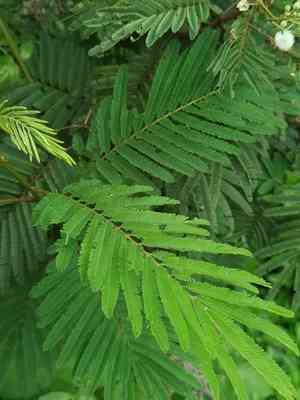
Prairie acacia (Acaciella angustissima)
Also known as: White-ball Acacia, Prairie Acacia, Fern Acacia
Prairie acacia trees are recognized for their unique narrow leaves, setting them apart from other acacia species. These trees also attract various pollinators, including moths and butterflies. However, in drought conditions, their foliage can accumulate high levels of hydrogen cyanide, making it toxic and potentially lethal to herbivores that feed on it.
In This Article
Attributes of Prairie acacia
Lifespan
Perennial
Plant Type
Herb, Shrub
Plant Height
1.8 m to 3.5 m
Spread
30 cm to 90 cm
Leaf Color
Green
Flower Size
2.5 cm
Flower Color
White
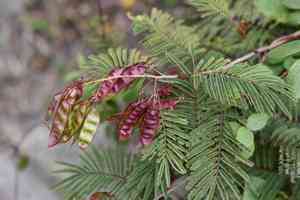
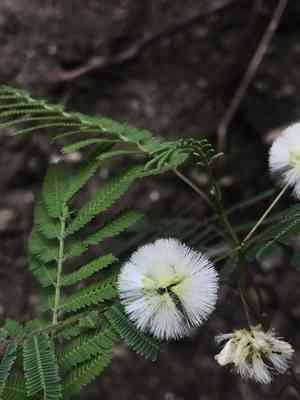
Images of Prairie acacia
Quickly Identify Prairie acacia
1
To identify Acaciella angustissima, look for its finely divided, fern-like leaves which are pinnate with numerous small leaflets. The flowers are small, white and spherical, grouped in dense clusters. The plant generally has a spreading, bushy habit.
Scientific Classification of Prairie acacia
Phylum
Vascular plants
Class
Dicotyledons
Order
Fabales
Family
Legume
Genus
Acaciella
Species
Prairie acacia
Planting and Growing of Prairie acacia
Care Difficulty
Easy
Watering Schedule
Every 4 days
Sunlight Requirements
Full sun
Sunshine Duration
6-10 hours
Ideal Temperature
60-85℉
Soil Type
Potting Mix, Peat Mix
Soil pH
6.5-7.5
Fertilizer Type
Balanced
Pruning Season
Spring, Summer
Pruning Area
Branches, Leaves
Pruning Frequency
2 times a year
Repotting Season
Spring
Pot Type
Plastic, Ceramic
 How to Water Prairie acacia?
For Acaciella angustissima, the watering amount is about 500ml per session. It's essential to ensure the soil is moist but not waterlogged. The aim is to wet the soil thoroughly, allowing the water to reach the roots without leaving standing water in the pot.
What are the symptoms of an underwatered Prairie acacia?
›
What should I do if my Prairie acacia is not getting enough water?
›
What are the symptoms of an overwatered Prairie acacia?
›
How to save an overwatered Prairie acacia?
›
 What Are the Sunlight Requirements for Prairie acacia?
Acaciella angustissima thrives in full sun to partial sun exposure. Ensuring a daily dose of 6 to 8 hours of direct or filtered sunlight supports optimal growth, encourages hardiness, and enhances flowering potential.
Optimal Sun Exposure
›
Shading During Peak Intensity
›
Balancing Indoor and Outdoor Conditions
›
 What Is the Ideal Temperature Range for Prairie acacia?
Acaciella angustissima thrives best in a temperature range of 60°F to 85°F. This range ensures optimal photosynthesis, transpiration, and overall growth. Maintaining these temperatures supports healthy leaf production and flowering, while minimizing stress on the plant. Ensuring that the temperature neither falls below 60°F nor exceeds 85°F will promote vigorous growth and increase the plant's resilience to pests and diseases.
 What Soil is Best for Prairie acacia?
Acaciella angustissima thrives in well-draining soil, such as sandy or loamy soil. This helps prevent waterlogged conditions that can lead to root rot, ensuring the plant maintains optimal health. The plant does not demand highly fertile soils. Moderate fertility levels are sufficient, which means you can reduce the need for additional fertilizers, making this an eco-friendly choice. A pH range of 6.5 to 7.5 is ideal for Acaciella angustissima. This range ensures that essential nutrients are available for uptake, promoting robust growth and flowering.
 How to Fertilize Prairie acacia?
For Acaciella angustissima, use a balanced liquid fertilizer at half the recommended strength to avoid over-fertilization. When using granular fertilizer, apply approximately 200 grams around the base of the plant, ensuring even distribution for optimal nutrient absorption.
 How to Prune Prairie acacia?
Acaciella angustissima is a bushy shrub with a tendency to grow rapidly. Familiarize yourself with its natural growth pattern before pruning to ensure you make informed cuts that will enhance rather than hinder its development. Pruning stimulates new growth which can be damaged by frost. It's best to avoid heavy pruning late in the season, as new shoots may not have time to harden off before cold weather arrives. While pruning, be cautious not to remove too much foliage, as over-pruning can stress the plant. Maintaining some leafy branches will ensure that the plant continues to photosynthesize efficiently.
More About Pruning Techniques→
 How to Propagate Prairie acacia plant?
1
Before planting, the seeds of Acaciella angustissima often require scarification or soaking to improve germination. This process breaks down the seed coat, allowing water to reach the embryo.
2
For cutting propagation, select healthy, non-flowering stems and cut them at a node. Remove lower leaves and dip the cut end in rooting hormone to promote root development.
3
Place seeds or cuttings in a well-draining potting mix. For seeds, lightly cover them with soil. Keep the medium moist but not waterlogged and place the containers in a warm, bright area.
 How to Repot Prairie acacia plant?
1
Repot Acaciella angustissima when the roots outgrow the current pot or become root-bound. Signs include roots poking through drainage holes or soil drying rapidly. Choose a time during its growing season, preferably in spring or summer, for optimal adaptation.
2
Choose a pot slightly larger than the current one to allow root expansion, ensuring it has adequate drainage holes. The pot should be sturdy yet lightweight, preferably made from materials like terracotta or plastic, which aid in managing moisture levels effectively.
3
Opt for a well-draining sandy loam mix, rich in organic matter. This type of soil prevents waterlogging and provides balanced nutrients, ensuring the roots receive adequate air exchange while promoting healthy root development and preventing rot.
Toxicity
Ingestion
WARNING
The judgment on toxicity and danger is for reference only. We DO NOT GUARANTEE any accuracy of such judgment. Therefore, you SHALL NOT rely on such judgment. It is IMPORTANT TO SEEK PROFESSIONAL ADVICE in advance when necessary.



