How to Transplant Graceful wattle?
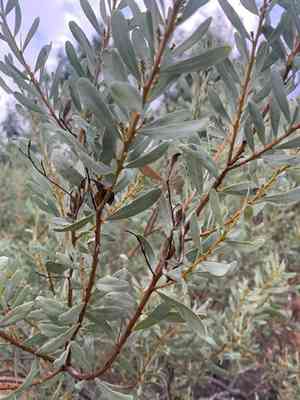
The most favorable period for transplanting graceful wattle spans from the onset of early spring through the threshold of summer, leveraging the moderate temperatures and favorable soil characteristics. Select a location bathed in sunlight with soil that drains effectively, and during the relocation of graceful wattle, safeguarding the root ball's structure is essential for its successful integration.
What Preparations are Needed Before Transplanting Graceful Wattle?
What is the Ideal Time for Transplanting Graceful Wattle?
The optimal period for relocating graceful wattle spans from early spring's onset to the cusp of early summer. Moving graceful wattle during this season leverages the mild temperatures and increasing daylight to foster strong root development, ensuring successful establishment. A helpful tip: giving graceful wattle a head start in this growth-focused time of year maximizes its chances for thriving, as the soil is moist and receptive, yet not excessively hotâan ideal scenario for transplanting success!
How Much Space Should You Leave Between Graceful Wattle Plants?
Firstly, let's provide your graceful wattles ample room to thrive! Aim to position them 10-20 feet (3-6 meters) apart. This will grant their roots sufficient space to expand and prevent overcrowding, ensuring they receive the necessary nutrients and moisture.
What is the Best Soil Mix for Graceful Wattle Transplanting?
For a flourishing graceful wattle, let's prepare your garden bed with well-draining soil! If your land is heavy with clay, consider incorporating sand or organic matter to enhance drainage. A small amount of starter fertilizer will also give your graceful wattles a beneficial growth boost.
Where Should You Relocate Your Graceful Wattle?
Your graceful wattles thrive in sunlight, so let's find them a comfortable spot where they can soak in full sun for most of the day. A location receiving at least 6 hours of direct sunlight is perfect for their growth and flower production!
What Equipments Should You Prepare Before Transplantation Graceful Wattle?
Gardening Gloves
To safeguard your hands while handling soil and the plant.
Spade or Shovel
For excavating the plant and moving earth.
Wheelbarrow
To transport soil and the plant.
Pruning Shears
To trim any superfluous or dead branches prior to transplanting.
Watering Can or Hose
To hydrate the plant before and after relocation.
Stakes or Supports
To provide stability for the plant if needed post-transplant.
Tape Measure
To ensure correct spacing between transplanted specimens.
How Do You Remove Graceful Wattle from the Soil?
How Do You Remove Graceful Wattle from the Soil?
From Ground: First, moisten the graceful wattle plant to dampen the surrounding soil. Next, excavate a wide trench around the plant using a shovel or spade, ensuring the plant's root ball remains intact. Carefully work the spade beneath the root ball to lift the plant from its original spot.From Pot: Thoroughly water the graceful wattle. Turn the pot on its side, tap the base, and gently pull the plant from its bottom. If the plant doesn't slide out, run a knife along the pot's inner edge, then attempt removal again.From Seedling Tray: Water the seedlings to facilitate easier removal. Use a dibber or a spoon to gently lift each individual graceful wattle plant, taking care not to harm the delicate roots.
Step-by-Step Guide for Transplanting Graceful Wattle
Preparation
Ensure the new planting site is prepared before commencing the process. Clear away any weeds or debris.
Immediate Watering
Water the graceful wattle plant in its current location before removal to lessen transplant shock and help keep the root ball cohesive.
Digging Up
Use the spade to dig around the graceful wattle, maintaining a wide perimeter to protect the root ball. Gently dislodge the plant from the ground, ensuring the roots remain covered with soil.
Transporting
Place the graceful wattle in a wheelbarrow or a container for transport to the new location with minimal disruption.
Planting
Create a hole at the new site that is twice the width of the root ball and of equal depth. Position the root ball in the center and backfill with soil, gently compacting it around the roots.
Staking
If the graceful wattle is tall or situated in a windy area, insert stakes around its perimeter and loosely tie the plant for support.
Final Watering
Water the graceful wattle generously after planting to settle the soil, eliminate air pockets, and provide moisture.
Inspection
Check for any indications of wilting or stress and prune any damaged stems or leaves using the pruning shears.
How Do You Care For Graceful Wattle After Transplanting?
Monitoring
Regularly observe the graceful wattle for signs of stress such as wilting or yellowing foliage, and adjust care as needed.
Watering
Keep the soil surrounding the graceful wattle consistently moist for the initial weeks post-transplant to aid in establishing robust roots.
Stabilizing
Ensure the stakes are firm, but allow some sway so the graceful wattle can strengthen in response to wind.
Pruning
Remove any dead or damaged branches to encourage healthy growth, utilizing the pruning shears.
Troubleshooting Common Issues with Graceful Wattle Transplantation.
What's the best time to transplant graceful wattle?
The optimal transplanting period for graceful wattle is from early to late spring, allowing it to establish roots before summer.
How far apart should I plant graceful wattle saplings?
Position graceful wattle saplings approximately 10-20 feet (3-6 meters) apart to ensure adequate space for development.
Why is my graceful wattle wilting after transplanting?
Post-transplant wilting may indicate shock. Ensure it's adequately watered and shielded from harsh, direct sunlight until established.
How do I prepare the soil for graceful wattle before transplanting?
Amend the soil with organic matter to enhance fertility and drainage, providing a healthy base for graceful wattle.
How deep should the hole be for transplanting graceful wattle?
Excavate a hole twice as wide and the same depth as the root ball to accommodate graceful wattle's growth.
Can I transplant graceful wattle in the fall instead?
While spring is ideal, you can transplant graceful wattle in autumn if conditions are mild, but frost risk can jeopardize establishment.
My graceful wattle looks stressed after transplant. What should I do?
Keep the soil moist, provide shade from intense sun, and refrain from fertilizing until graceful wattle exhibits new growth.
How much water does graceful wattle need after transplanting?
Initially, water deeply to settle the soil, then maintain consistent moisture without overwatering during the first growing season.
What type of mulch is best for graceful wattle after transplanting?
Organic mulch such as bark or compost helps retain moisture and regulate soil temperature for graceful wattle.
Should I prune graceful wattle when transplanting?
Minor pruning to remove dead or damaged branches can be beneficial, but avoid extensive pruning to allow graceful wattle to establish.



