How to Transplant Seaside bittercress?
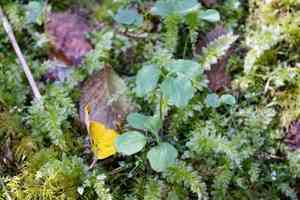
Seaside bittercress flourishes optimally when relocated during the mild temperatures of early to mid-spring. Select damp, adequately draining earth in a partially shaded spot to guarantee successful establishment.
What Preparations are Needed Before Transplanting Seaside Bittercress?
What is the Ideal Time for Transplanting Seaside Bittercress?
Seaside bittercress, a perennial, flourishes when moved in early to mid-spring. This period offers prime soil conditions and moderate temperatures, aiding root establishment. Transplanting then maximizes growth potential, allowing seaside bittercress to settle before summer heat, resulting in a healthier, more vibrant plant.
How Much Space Should You Leave Between Seaside Bittercress Plants?
When relocating seaside bittercress, ensure each plant is positioned 12-18 inches (30-45 cm) apart. This provides ample room for them to develop and spread comfortably.
What is the Best Soil Mix for Seaside Bittercress Transplanting?
Prepare the soil by incorporating organic compost or a balanced slow-release fertilizer. Seaside bittercress thrives in well-draining, loamy soil rich in nutrients. Ensure the soil is light and crumbly for easy root establishment.
Where Should You Relocate Your Seaside Bittercress?
Select a site that receives partial to full sunlight. Seaside bittercress prefers an area with morning sun and some afternoon shade, ensuring it gets 4-6 hours of sunlight daily.
What Equipments Should You Prepare Before Transplantation Seaside Bittercress?
Gardening Gloves
To safeguard your hands while handling soil and plants.
Shovel or Spade
To excavate around the plant and prepare the new spot.
Hand Trowel
For more precise digging and working in confined areas.
Watering Can or Hose
To hydrate the plant before and after relocation.
Compost or Organic Mulch
To enhance soil quality and supply nutrients.
How Do You Remove Seaside Bittercress from the Soil?
How Do You Remove Seaside Bittercress from the Soil?
From Ground: First, moisten the seaside bittercress plant to dampen the soil. Then, dig a wide trench around the plant using a shovel or spade, ensuring the plant's root ball remains intact. Carefully work the spade under the root ball to lift the plant from its original location.From Pot: Gently moisten the seaside bittercress plant to hydrate the soil. Hold the plant at its base and tap the sides of the pot to loosen it. Carefully slide the plant out, ensuring you keep as much soil around the roots as possible.From Seedling Tray: Ensure the soil is damp. Use a hand trowel or your fingers to gently lift the seedling out by its leaves or base, avoiding the stem to prevent damage. Make sure to take a small clump of soil with the roots.
Step-by-Step Guide for Transplanting Seaside Bittercress
Prep New Site
Excavate a hole in the new location that is twice as wide and the same depth as the plant's root ball.
Check Depth
Ensure the new hole allows the seaside bittercress to be planted at the same depth it was growing previously. Adjust if needed.
Place Plant
Gently position the seaside bittercress into the new hole, carefully spreading out the roots. Ensure it is centered and upright.
Fill Soil
Backfill the hole with the removed soil, gently firming it around the plant's roots to eliminate air pockets.
Water Thoroughly
Water the seaside bittercress generously to settle the soil around the roots and help the plant adjust.
Add Mulch
Apply a layer of compost or organic mulch around the base of the plant to retain moisture and regulate soil temperature.
How Do You Care For Seaside Bittercress After Transplanting?
Watering
Keep the soil around the seaside bittercress consistently moist, but not waterlogged, for the initial few weeks after transplanting to aid in strong root establishment.
Monitoring
Inspect the plant daily for signs of stress such as wilting or yellowing leaves and address any issues promptly.
Weeding
Keep the area around the seaside bittercress free of weeds which can compete for nutrients and water.
Mulch Maintenance
Ensure the mulch layer remains intact to help conserve moisture and suppress weeds. Add more if necessary.
Inspection
Regularly examine the seaside bittercress for pests or diseases and treat promptly to maintain plant health.
Troubleshooting Common Issues with Seaside Bittercress Transplantation.
When should I transplant seaside bittercress?
The optimal time to transplant seaside bittercress is in early to mid spring for best growth.
How far apart should seaside bittercress plants be spaced?
Space seaside bittercress plants 12 to 18 inches (30 to 45 cm) apart to allow proper growth.
What should I do if my seaside bittercress wilts after transplanting?
Ensure the soil remains consistently moist and avoid direct harsh sunlight immediately after transplanting.
How do I prepare the soil before transplanting seaside bittercress?
Loosen the soil and amend with compost to enhance drainage and nutrient content.
What's the ideal soil pH for transplanting seaside bittercress?
Maintain the soil pH between 6.0 and 7.5, which is ideal for seaside bittercress growth.
How can I avoid transplant shock for seaside bittercress?
Water the plants well before and after transplanting, and mulch to retain soil moisture.
Is it necessary to prune seaside bittercress before transplanting?
Pruning is not essential, but removing damaged leaves can help the plant recover better.
What type of fertilizer should I use after transplanting seaside bittercress?
Use a balanced, slow-release fertilizer to provide essential nutrients without overwhelming the plant.
How deep should I plant seaside bittercress in the new location?
Plant seaside bittercress at the same depth as it was in its original location to avoid stress.
Should I water seaside bittercress immediately after transplanting?
Yes, water thoroughly after transplanting to help settle the soil and reduce transplant shock.



