The Hidden Danger in Your Home? Unmasking the Toxicity of the Purple heart Plant.
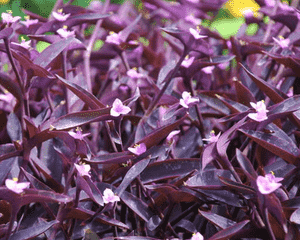
1
Purple heart poses a toxicity risk to felines, potentially leading to serious symptoms upon consumption.
2
Canines may display emesis and sluggishness if exposed to purple heart toxins.
3
Prompt veterinary attention is crucial should companion animals exhibit indications of purple heart intoxication.
Is Purple heart poisonous to felines?
The purple heart plant is harmful to cats, presenting a risk if its sap or liquid is consumed, frequently occurring when cats accidentally chew on plant sections. Contact with the harmful elements in purple heart can result in various signs of physical distress, appearing differently in each affected cat. Pet parents noticing any indications of sickness after ingestion should promptly seek veterinary attention to safeguard their cat's health and welfare.
Is Purple heart harmful to canines?
Purple heart is deemed poisonous to dogs. Canines can suffer from purple heart poisoning if they consume portions of the plant, especially by ingesting its sap or juice. Following contact with purple heart, dogs might display symptoms like throwing up, loose stools, sluggishness, or more serious indicators depending on the quantity consumed. It's vital for dog guardians to restrict access to this plant and to obtain immediate veterinary assistance if their pet exhibits any signs of toxicity.



