The Hidden Danger in Your Home? Unmasking the Toxicity of the Pacific rhododendron Plant.
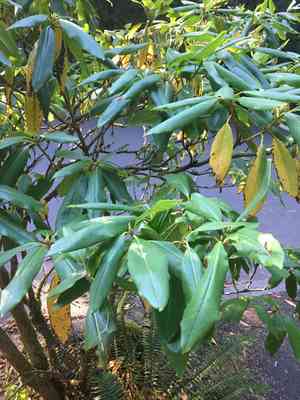
1
Grayanotoxin in Pacific Rhododendron may induce sickness, throwing up, and altered perceptions in people.
2
Felines face a significant danger of severe toxicity from consuming any portion of the Pacific Rhododendron plant.
3
Canines ingesting Pacific Rhododendron could suffer unconsciousness or fatality if medical attention is not provided.
Is Pacific rhododendron toxic to humans?
Pacific rhododendrons contain hazardous concentrations of a toxin called Grayanotoxin throughout all its parts. Skin contact can lead to a rash in susceptible individuals, the pollen may irritate mucous membranes, and consumption can induce nausea, emesis, irregular heartbeat, hypotension, and hallucinations in people. Young children, particularly toddlers, are more susceptible to severe reactions. Grayanotoxin is so potent that even the quantities found in honey derived from *Rhododendron* pollen can have adverse effects.
Is Pacific rhododendron toxic to cat?
Pacific rhododendron presents a considerable toxicity hazard to felines. A cat can suffer poisoning if it accidentally consumes any portion of the plant. Should a cat ingest pacific rhododendron, it might exhibit indications of physical distress or sickness due to the poisoning. Cat guardians should diligently observe their pets and restrict access to pacific rhododendron to protect their health. In cases of suspected consumption, it is crucial to promptly obtain veterinary assistance to ensure the animal receives suitable medical attention.
Is Pacific rhododendron toxic to dog?
Pacific rhododendron is poisonous to canines, presenting a substantial health danger if consumed. Dogs might inadvertently eat parts of this plant, resulting in intoxication. The entire plant is detrimental, meaning any ingested partâfoliage, blossoms, stalks, or rootsâcan cause negative reactions. Signs of poisoning in dogs may include emesis, loose stools, excessive salivation, feebleness, and potentially more critical symptoms like unconsciousness or fatality if not promptly addressed. It is essential for dog guardians to be watchful and prevent their pets from reaching pacific rhododendron. In the event of suspected ingestion, immediate veterinary intervention is vital to manage the symptoms effectively and lessen the chance of severe complications.



