The Hidden Danger in Your Home? Unmasking the Toxicity of the Philodendron gloriosum Plant.
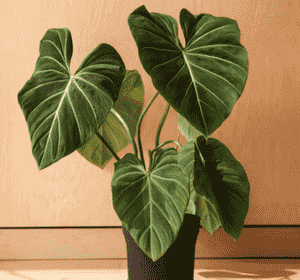
1
Philodendron gloriosum has calcium oxalate, leading to a burning feeling and swelling if consumed.
2
If cats eat philodendron gloriosum, they may experience serious symptoms, needing prompt vet care.
3
Dogs that ingest philodendron gloriosum face poisoning, showing signs such as mouth irritation and throwing up.
Is Philodendron gloriosum toxic to humans?
Philodendron gloriosum exhibits a low level of toxicity to people, mainly if accidentally consumed. The whole plant contains calcium oxalate, which is the substance responsible for its harmful properties. When any portion of philodendron gloriosum is eaten, the calcium oxalate can trigger various symptoms. Individuals might feel a burning sensation in their mouth and throat, swelling of the lips, tongue, and oral cavity tissues, potentially causing trouble swallowing. Furthermore, eye contact can lead to severe pain and inflammation. Digestive upset, including sickness, throwing up, and loose stools, is also common after ingesting parts of philodendron gloriosum. It's vital for people, especially those with kids or animals, to be aware of the plant's toxic potential and to prevent accidental consumption.
Is Philodendron gloriosum toxic to cat?
Philodendron gloriosum presents a slight toxicity danger to cats. If a cat consumes any part of the plant, as the entire plant holds toxins, it might experience negative symptoms. The main toxic component in philodendron gloriosum is calcium oxalate, which can result in signs of physical discomfort. Should there be any suspicion of a feline ingesting philodendron gloriosum, immediate veterinary care is vital, as quick treatment is crucial for the pet's health and welfare.
Is Philodendron gloriosum toxic to dog?
Philodendron gloriosum carries a minor toxicity risk for dogs. When dogs inadvertently eat any part of the plant, they face a poisoning risk due to the presence of calcium oxalate crystals throughout the plant's tissues. Signs of poisoning in dogs might include mouth irritation, excessive drooling, throwing up, and difficulty swallowing. It's essential for dog owners to be watchful and stop their pets from eating philodendron gloriosum. If a dog does ingest philodendron gloriosum, it is imperative to seek immediate veterinary attention to ensure appropriate treatment and symptom management.



