The Hidden Danger in Your Home? Unmasking the Toxicity of the Giant honey flower Plant.
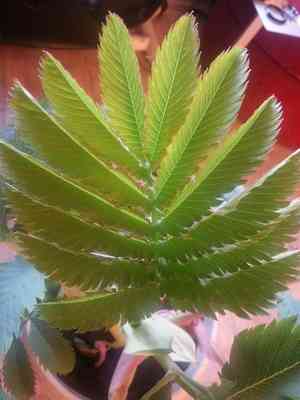
1
Every component of the giant honey flower is poisonous and can lead to life-threatening cardiac issues if consumed.
2
The giant honey flower possesses bufadienolides, powerful cardiac glycosides capable of inducing serious symptoms in both people and animals.
3
Prompt veterinary care is essential should a pet consume any part of the giant honey flower.
Is Giant honey flower toxic to humans?
Giant honey flower presents a significant toxicity hazard to humans if consumed. Every part of this plant contains bufadienolides, a class of cardiac glycosides renowned for their powerful impact on the heart. Ingesting even small quantities can trigger severe symptoms such as cardiac arrhythmias, emesis, loose stools, and potentially lethal cardiac function disturbances. The entire plant is poisonous, with no safe components for consumption. Unintentional ingestion can happen, making it vital to recognize the plant's high toxicity to avert poisoning. The general public should exercise caution, particularly where giant honey flower grows, to prevent any contact that might lead to accidental intake.
Is Giant honey flower toxic to cat?
Giant honey flower presents a serious danger to feline well-being, as every part of the plant is poisonous. Cats can suffer poisoning if they inadvertently consume any portion of giant honey flower, with bufadienolides (cardiac glycosides) being the cause of its toxicity. After exposure, felines may exhibit considerable physical discomfort, shown through concerning signs. To lessen health issues, prompt veterinary care is crucial if a cat is thought to have encountered giant honey flower.
Is Giant honey flower toxic to dog?
Giant honey flower poses a serious poisoning threat to canines. When dogs ingest any part of giant honey flower, they risk intoxication due to the bufadienolides present, which are cardiac glycosides known for their harmful effects. Dogs can accidentally consume parts of giant honey flower, leading to poisoning. Symptoms that might appear after ingestion include vomiting, diarrhea, sluggishness, irregular heart rate, and potentially more critical clinical signs due to its cardiovascular system impact. It is essential for dog owners to restrict access to giant honey flower and to get immediate veterinary help if their dog has eaten any part of this plant.



