The Hidden Danger in Your Home? Unmasking the Toxicity of the Millot kalanchoe Plant.
1
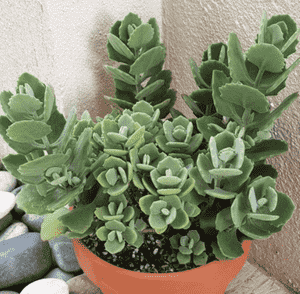
Every part of the millot kalanchoe plant is poisonous to felines and canines, presenting a hazard if consumed.
2
Signs of millot kalanchoe toxicity encompass throwing up, loose stools, sluggishness, and alterations in demeanor.
3
Should a pet consume millot kalanchoe, prompt veterinary attention is vital for its well-being.
Is Millot kalanchoe toxic to cat?
Millot kalanchoe presents a slight toxicity hazard to felines, becoming problematic if consumed in significant quantities. Every part of this plant is deemed poisonous, and cats might be inclined to gnaw on its foliage or stalks. Should a cat ingest a portion of millot kalanchoe, signs of physical distress could appear, potentially impacting the animal's well-being. Since consuming millot kalanchoe can lead to sickness, it's vital for cat guardians to supervise their pets and restrict access to the plant. If a cat does consume millot kalanchoe, owners should promptly consult a veterinarian to ensure the most favorable prognosis for their feline friend.
Is Millot kalanchoe toxic to dog?
Millot kalanchoe presents a minor toxicity risk to canines. Although the plant isn't severely poisonous, consuming it in large amounts can cause intoxication. Dogs might be drawn to and chew on any section of the plant, as all components are considered toxic. Symptoms of poisoning from millot kalanchoe can differ but may include throwing up, loose stools, sluggishness, or behavioral alterations. If you suspect your dog has consumed millot kalanchoe, it's imperative to seek immediate veterinary attention to ensure the most favorable outcome for your pet.



