The Hidden Danger in Your Home? Unmasking the Toxicity of the Common juniper Plant.
1
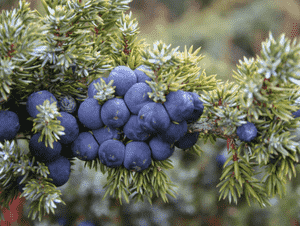
The foliage, seeds, and berries of common juniper possess thujone, a poisonous volatile oil, which can induce diarrhea if ingested in substantial quantities.
2
Felines that consume considerable amounts of common juniper may experience intoxication, resulting in physical discomfort and sickness.
3
Canines that ingest large quantities of common juniper might display digestive upset and distress, necessitating prompt veterinary attention.
Is Common juniper toxic to humans?
The seeds, foliage, and berries of common juniper are deemed slightly harmful if consumed. These plant components contain a volatile compound called thujone, which can induce digestive upset if ingested in significant amounts. Occasionally, common juniper berries are utilized for therapeutic uses or to impart flavor to specific dishes and spirits, leading to potential accidental overconsumption.
Is Common juniper toxic to cat?
Common juniper has a low toxicity level for felines, which can escalate to poisoning if they consume substantial amounts of the plant. Specifically, the berries and leaves of common juniper present a danger to cat health, potentially causing physical discomfort and illness. In instances where a cat consumes parts of common juniper, it is crucial for owners to observe for signs of discomfort or pain, as these indicate possible poisoning. Swiftly seeking veterinary attention in response to any of these symptoms is essential for the animal's well-being.
Is Common juniper toxic to dog?
Common juniper presents a low toxicity risk to canines. While small quantities might not cause considerable harm, consuming large amounts can result in poisoning. The plant parts especially harmful to dogs include both the berries and foliage. Dogs that have ingested these parts of common juniper might display symptoms such as digestive upset or other minor signs of distress. It is vital for dog owners to supervise their pets and prevent them from consuming large portions of this plant. Should a dog ingest common juniper and show adverse reactions, it is imperative to seek immediate veterinary care to ensure appropriate treatment and management of any potential toxicity.



