The Hidden Danger in Your Home? Unmasking the Toxicity of the Gynura divaricata Plant.
1
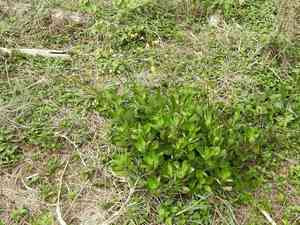
Gynura divaricata poses a toxicity risk to felines and canines, with all plant components being detrimental.
2
Signs of gynura divaricata intoxication encompass emesis, loose stools, and sluggishness in both cats and dogs.
3
Prompt veterinary intervention is essential if consumption of gynura divaricata by pets is suspected.
Is Gynura divaricata toxic to cat?
Gynura divaricata presents a moderate toxicity risk to felines. Cats face danger if they consume any portion of the plant, as all its components are poisonous. Following ingestion, a cat might display troubling signs of poisoning, which can differ but usually indicate pain or distress. It's crucial for cat guardians to observe their pets for any unusual conduct or sickness and immediately get professional help from a vet clinic if poisoning is suspected.
Is Gynura divaricata toxic to dog?
The plant species Gynura divaricata is deemed moderately toxic to canines. Should a dog consume any part of Gynura divaricata, as all sections are poisonous, there's a risk of intoxication. The usual way dogs get poisoned by Gynura divaricata is by swallowing the plant matter. Post-ingestion, dogs might show various signs of poisoning. It's vital for dog guardians to watch their pets for symptoms like vomiting, diarrhea, sluggishness, or odd behavior, which could point to exposure to the plant's toxins. If a dog has eaten Gynura divaricata, it's critical to seek immediate veterinary attention for appropriate treatment and management of the poisoning.



