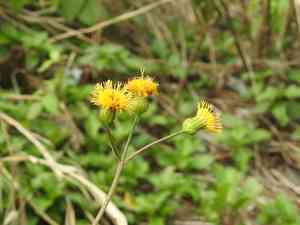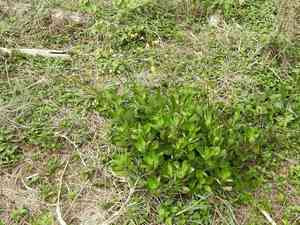
Gynura divaricata(Gynura divaricata)

Gynura divaricata (Gynura divaricata)

Also known as: Bai Bei San Qi, Longevity Spinach, Sambung Nyawa, Leaves of the Gods

A lesser-known relative of the popular garden plant Purple Passion (Gynura aurantiaca), the Gynura divaricata is recognized for its purplish foliage. Despite its ornamental appeal, it has not achieved global popularity. However, it is commonly cultivated in its native region for garden use.

Attributes of Gynura divaricata

Lifespan
Perennial
Plant Type
Herb
Plant Height
30 cm to 60 cm
Spread
10 cm
Leaf Color
Dark green with a purple hue
Flower Size
1.5 cm to 2 cm
Flower Color
Yellow

ForwardPlant - Identify plants with a snap

Identify and diagnose plants, get toxicity alerts, and explore safety guides for all types of fungi.

Try for Free

Images of Gynura divaricata

Gynura divaricata(Gynura divaricata)

Quickly Identify Gynura divaricata

1
Gynura divaricata can be identified by its dark green, slightly shiny leaves with a serrated edge. The leaves are generally obovate or ellipsoid in shape. The plant also produces small orange or yellow composite flowers.

Scientific Classification of Gynura divaricata

Phylum
Vascular plants
Class
Dicotyledons
Order
Asters bellflowers fanflowers and allies
Family
Daisy
Genus
Purple passion
Species
Gynura divaricata

Planting and Growing of Gynura divaricata

Care Difficulty
Easy
Watering Schedule
Every 8 days
Sunlight Requirements
Partial sun
Sunshine Duration
4-8 hours
Ideal Temperature
65-77℉
Soil Type
Potting Mix, Peat Mix
Soil pH
6.5-7.5
Fertilizer Type
Balanced
Pruning Season
Spring, Summer
Pruning Area
Branches, Leaves
Pruning Frequency
2 times a year
Repotting Season
Spring
Pot Type
Plastic, Ceramic

water icon How to Water Gynura divaricata?

Gynura divaricata prefers a moist but not soggy environment. The key is to water until moisture begins to seep through the drainage holes. This ensures that the roots are getting enough water without becoming waterlogged.
What are the symptoms of an underwatered Gynura divaricata?
What should I do if my Gynura divaricata is not getting enough water?
What are the symptoms of an overwatered Gynura divaricata?
How to save an overwatered Gynura divaricata?

sunlight icon What Are the Sunlight Requirements for Gynura divaricata?

Sunlight Requirements: Partial sun, Full sun
Duration of light: 4 to 6 hours
Partial sun for 4 to 6 hours is ideal for Gynura divaricata. This range ensures healthy growth, vibrant leaf colors, and prevents the risk of light-induced stress.
What is the best light condition for Gynura divaricata?
How can I achieve the ideal lighting conditions?
What are the benefits of Gynura divaricata receiving ideal light?
More About Sunlight Requirements Techniques

temperature icon What Is the Ideal Temperature Range for Gynura divaricata?

Ideal Temperature: 65 ~ 77℉
Gynura divaricata thrives best within a temperature range of 65 to 77°F. This range supports optimal physiological processes and enhances the plant's growth. Deviations from this ideal range may cause stress or reduced vigor, so maintaining temperatures between these points is crucial for healthy development.

soil icon What Soil is Best for Gynura divaricata?

Soil type: Loam, Sandy loam
Soil PH: 6.5 ~ 7.5
Ensuring the soil is well-drained is crucial for Gynura divaricata as it prevents waterlogging, which can cause root rot. This requirement maintains optimal plant health by allowing excess water to move away, keeping the roots healthy and aerated. A nutrient-rich soil provides the necessary minerals and nutrients that Gynura divaricata needs to thrive. This boosts plant growth and enhances leaf quality, making it vital for healthy development. Incorporating organic matter like compost into the soil can enhance its structure and fertility, benefiting Gynura divaricata by improving moisture retention and nutrient availability, thus supporting robust growth.

fertilize icon How to Fertilize Gynura divaricata?

Fertilizer type: Balanced
For Gynura divaricata, the ideal fertilizer amount varies according to the growth stage of the plant. During active growth, provide a balanced liquid fertilizer at a rate of half-strength every two weeks. For solid fertilizers, use 1 tablespoon per plant, ensuring it is evenly distributed around the root zone.

prune icon How to Prune Gynura divaricata?

Pruning Time: Spring, Summer, Autumn, Winter
Before you begin pruning Gynura divaricata, gather essential tools such as a pair of sharp, clean pruning shears, and gloves to protect your hands. Ensure your tools are sanitized to prevent any disease transferring to your plant. Look for any dead, damaged, or diseased branches to prune first. These branches can be identified by their discolored or wilted appearance. Removing them encourages the plant to redirect energy to healthier parts for faster growth. When trimming, aim to make clean cuts at a slight angle just above a leaf node, which encourages new growth. Pay attention to the plant's overall shape and strive to keep it balanced and symmetrical. More About Pruning Techniques

propagate icon How to Propagate Gynura divaricata plant?

Propagate Time: Spring, Early Summer
1
When preparing cuttings for propagation, choose a healthy, non-flowering stem. Cut a section approximately 4-6 inches long, making sure it has at least two nodes. Use sharp and sterile scissors to avoid infecting the plant.
2
Dip the bottom end of the cutting into rooting hormone to stimulate root growth. It enhances chances of successful propagation by encouraging quick, robust root development. Shake off excess powder before planting.
3
Insert the prepared cutting into a pot filled with a well-draining soil mix. Ensure the bottom node is buried beneath the soil to facilitate root initiation while keeping the soil lightly moist.
More About Propagating Techniques

repot icon How to Repot Gynura divaricata plant?

Repotting frequency: Every 1-2 years
1
Gynura divaricata shows signs of needing repotting when roots start to coil tightly around the inside of the pot or are visible through drainage holes. Additionally, if the plant's growth rate decreases significantly or it topples over easily, it may be time for a new pot.
2
Select a pot that is only slightly larger than the current one, possessing good drainage holes. The use of a pot with appropriate drainage ensures excess water does not accumulate, preventing root rot and allowing healthy root aeration.
3
Opt for a well-draining potting mix, ideally with added perlite or sand. This type of soil prevents waterlogging, promoting healthy root development and maintaining adequate aeration vital for the plant’s health.

ForwardPlant - Identify plants with a snap

Find the best spots for them to optimize their health, simply using your phone.

Try for Free

Toxicity of Gynura divaricata

Is Gynura divaricata toxic to cat?

Gynura divaricata exhibits a moderate degree of toxicity to cats. The risk arises when a cat consumes any part of this plant, since every section is toxic. Following ingestion, a cat may display distressing symptoms that suggest poisoning, which can differ in how they appear but generally show up as signs of pain or malaise. It is crucial for cat owners to vigilantly observe their pets for any abnormal behavior or signs of illness and to swiftly obtain professional care from a veterinary clinic if poisoning is feared.

Is Gynura divaricata toxic to dog?

The plant species known as gynura divaricata is recognized for having a moderate level of toxicity towards dogs. When any part of gynura divaricata is ingested by a dog, the risk of poisoning arises, as all portions of the plant are toxic. The primary route through which dogs experience poisoning from gynura divaricata is by swallowing the plant material. Following ingestion, dogs may display a range of symptoms that indicate poisoning. It is crucial for dog owners to observe their pets for signs including vomiting, diarrhea, lethargy, or unusual behaviors, as these may signal exposure to the plant’s toxins. If a dog has ingested gynura divaricata, it is vital to seek immediate veterinary attention to ensure appropriate treatment and management of the poisoning.

Identify toxic plants for your safety

Learn which plants are harmful to you and your pets, and make informed choices for a safer home!

Try for Free
WARNING
The judgment on toxicity and danger is for reference only. We DO NOT GUARANTEE any accuracy of such judgment. Therefore, you SHALL NOT rely on such judgment. It is IMPORTANT TO SEEK PROFESSIONAL ADVICE in advance when necessary.
More About Toxic Techniques