The Hidden Danger in Your Home? Unmasking the Toxicity of the African milk tree Plant.
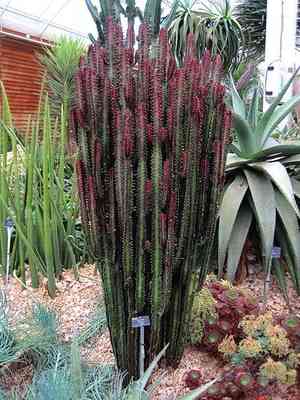
1
The milky fluid from the African milk tree can cause significant skin discomfort, such as redness and swelling, and may lead to eye inflammation or vision loss if it gets into the eyes.
2
Pets like felines and canines face danger if they consume African milk tree, which can result in signs such as throwing up, loose stools, or irritation.
3
Prompt veterinary attention is essential if African milk tree toxicity is suspected in animals to safeguard their health and welfare.
Is African milk tree harmful to people?
Every part of the African milk tree is poisonous if consumed, and the effects of eating it are quite serious. The sap of the African milk tree has evolved toxic qualities to ward off plant-eating animals. Direct contact with the sap causes significant skin irritation, including inflammation of the skin and eyes. Severe instances where African milk tree sap has gotten into the eye have led to conjunctivitis and even loss of sight. Initial signs can include red eyes, a gritty sensation or discharge in the eyes, itching, or watery eyes. It is crucial that African milk tree is handled carefully, and that protective gear like gloves, long sleeves, and safety glasses are used.
Is African milk tree harmful to felines?
African milk tree, also known as African milk tree, poses a moderate risk of toxicity to cats if consumed. Cats might be poisoned by ingesting parts of the plant, especially the sap or liquid. Contact with these elements can result in signs of physical discomfort or sickness in felines. Given the potential health dangers linked to ingestion, it is vital for cat owners to supervise their pets and ensure they do not chew or consume any part of the African milk tree. If a cat is poisoned, prompt treatment at a veterinary clinic is essential for managing the animal's health and welfare.
Is African milk tree harmful to canines?
African milk tree is thought to have a moderate level of toxicity for dogs. Poisoning usually happens when a dog swallows parts of the plant, particularly the sap or liquid. After consumption, a dog might show symptoms such as throwing up, loose stools, sluggishness, or irritation around the mouth. It's important for dog owners to be watchful and stop their pets from chewing on or eating any part of the African milk tree. In cases of suspected poisoning, it is critical to get immediate veterinary attention to ensure the best possible outcome for the affected animal.



