The Hidden Danger in Your Home? Unmasking the Toxicity of the Rose glory bower Plant.
1
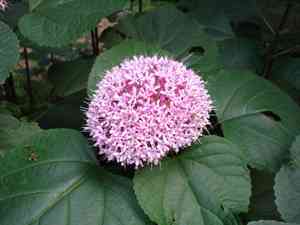
Every component of rose glory bower, such as its foliage, blossoms, stalks, and subterranean parts, poses a toxic threat to felines and canines.
2
Ingestion of rose glory bower necessitates immediate veterinary care if pets display any indications of sickness.
3
Canine symptoms encompass emesis, loose stools, and sluggishness, signaling possible intoxication.
Is Rose glory bower toxic to cat?
Rose glory bower is considered mildly harmful to felines. Cats typically experience poisoning from consuming significant quantities of this plant, and since every part is toxic, contact must be carefully managed. Following ingestion, a cat might display signs of physical distress or sickness, indicating an immediate need for veterinary care. Due to its potential for harm, it's vital for cat owners to ensure their pets cannot access rose glory bower and to seek quick veterinary help if they suspect poisoning.
Is Rose glory bower toxic to dog?
Rose glory bower presents a slight toxicity danger to canines. Dogs can be poisoned by this plant if they consume it in large quantities. Every part of rose glory bower is deemed toxic, meaning that eating any portion, be it leaves, blossoms, stalks, or roots, could potentially lead to poisoning. Symptoms in dogs might include digestive upset like vomiting and diarrhea, sluggishness, or other signs of discomfort. It's crucial for dog owners to supervise their pets closely and prevent access to rose glory bower, particularly if the dog tends to chew on plants. Should a dog ingest rose glory bower, prompt veterinary attention is essential to manage any potential symptoms effectively and safeguard the pet's health.



