The Hidden Danger in Your Home? Unmasking the Toxicity of the Night-blooming jasmine Plant.
1
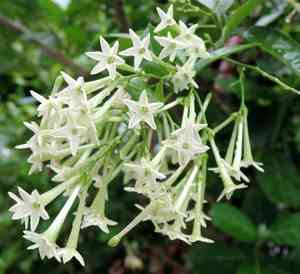
All components of night-blooming jasmine are poisonous, and even its fragrance can trigger reactions.
2
Felines and canines face danger from night-blooming jasmine; consumption can lead to serious symptoms needing urgent treatment.
3
Ingesting night-blooming jasmine may cause issues such as stomach inflammation, elevated heart rate, and excessive drooling.
Is Night-blooming jasmine harmful to people?
Night-blooming jasmine is a poisonous plant that can cause harm to humans if consumed. Symptoms typically range from minor to moderate. All parts of night-blooming jasmine are toxic, and even its fragrance can trigger symptoms. Ingesting the plant can lead to stomach inflammation, elevated body temperature, increased heart rate, and excessive drooling; while inhaling its scent can cause sickness, lightheadedness, breathing difficulties, and head pain. Since it spreads quickly, this plant might grow near populated areas where it could be easily accessible to individuals who might consume its components.
Is Night-blooming jasmine harmful to felines?
Night-blooming jasmine presents a moderate danger of toxicity to cats. Exposure happens when cats consume any portion of the plant, which is entirely poisonous. After ingestion, cats might show various signs of physical distress indicating poisoning. If this occurs, it is vital to get immediate veterinary attention to lessen the effects and guarantee the health and welfare of the affected cat.
Is Night-blooming jasmine harmful to canines?
Night-blooming jasmine presents a moderate danger of toxicity to dogs. Dogs can be poisoned by consuming any part of the plant, as all sections are considered toxic. If a dog consumes night-blooming jasmine, it might display symptoms such as digestive upset, throwing up, loose stools, lethargy, and in serious instances, convulsions or breathing problems. It is essential for dog owners to watch their pets carefully and prevent them from accessing night-blooming jasmine. Should a dog consume any part of night-blooming jasmine, immediate veterinary care is critical to manage the poisoning effectively.



