The Hidden Danger in Your Home? Unmasking the Toxicity of the Bolivian begonia Plant.
1
Bolivian begonia presents a moderate toxicity risk to humans, mainly if consumed, leading to symptoms such as mouth irritation and sickness.
2
Swallowing bolivian begonia may result in serious problems such as impaired breathing or speech, emphasizing the importance of preventing accidental consumption.
3
Bolivian begonia is mildly toxic to animals, with felines and canines exhibiting signs like digestive upset and throwing up if ingested.
Is Bolivian begonia toxic to humans?
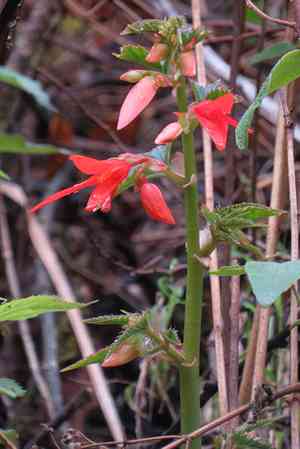
Bolivian begonia exhibits moderate toxicity to humans, mainly if consumed. The plant's entirety contains soluble calcium oxalates, which are the compounds causing its harmful effects. Upon ingestion, these substances can bind with bodily calcium, reducing its availability and potentially causing symptoms like mouth irritation, a burning feeling in the mouth and throat, excessive salivation, trouble swallowing, and emesis. In severe instances, consumption might lead to more serious issues such as breathing or speech difficulties. Since all parts of bolivian begonia are toxic, precautions should be taken to prevent accidental intake, particularly by children or pets attracted to its bright look.
Is Bolivian begonia toxic to cat?
Bolivian begonia presents a low toxicity hazard to felines. Unintentional consumption of any plant part is the main way these animals might be poisoned, leading to signs of discomfort. The entire plant contains soluble calcium oxalates, which are the toxic agents responsible for the negative reactions. Cat guardians should be watchful to ensure their pets do not inadvertently consume the plant. If poisoning by bolivian begonia is suspected, prompt veterinary attention is vital to address the problem and alleviate any distress the animal may be experiencing.
Is Bolivian begonia toxic to dog?
Bolivian begonia is considered mildly toxic to canines. When dogs consume parts of bolivian begonia, they can experience poisoning, as the entire plant contains harmful components. The primary way dogs are poisoned is through accidental eating. If a dog ingests any part of bolivian begonia, it might display symptoms like digestive upset, throwing up, and loose stools due to the presence of soluble calcium oxalates in the plant. It's important for dog owners to supervise their pets carefully and restrict access to bolivian begonia. Should a dog consume this plant, immediate veterinary care is crucial to manage any potential poisoning.



