Ideal Temperature for Japanese emperor oak
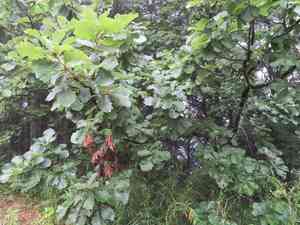
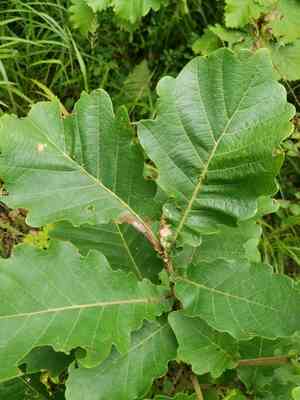
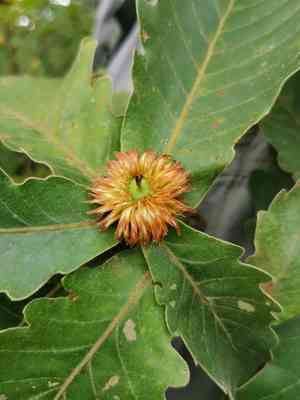
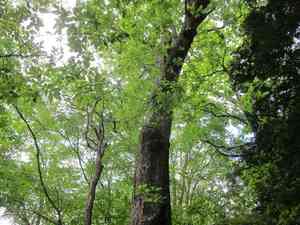
Images of Japanese emperor oak
Signs of Cold Stress in Japanese emperor oak
Symptoms
Japanese emperor oak tolerates cold well and flourishes optimally when temperatures exceed 50℉. In winter, it needs to stay above 32℉. If temperatures drop below 14℉, while no immediate winter damage might be visible, branches can become brittle and dry in spring, with no new growth appearing.
Solutions
In spring, remove any dead branches that haven't produced new foliage.
Signs of Heat Stress in Japanese emperor oak
Symptoms
In summer, Japanese emperor oak should be maintained below 77℉. When temperatures surpass 86℉, the plant's leaves might lighten in hue, tips could dry and shrivel, and it becomes more prone to sun damage.
Solutions
Remove any sun-damaged and desiccated sections. Relocate the plant to a spot offering protection from midday and afternoon sun, or use a shade cloth for cover. Water the plant in the morning and evening to maintain soil moisture.



