How Much Sunlight Do Muscadine Need?
1
Muscadine flourishes optimally with ample sunlight, needing over 6 hours of direct sun each day.
2
Insufficient light exposure may result in diminished fruit yield and feeble vines.
3
Observing your Muscadine for indications of sun-related stress allows for timely modifications.
Optimal Sunlight Exposure for Muscadine
Full Sun or Partial Shade?
For Muscadine cultivation, direct sunlight is most advantageous. These robust vines thrive under intense light, which is crucial for superior fruit production. While Muscadine can endure some shade, it's not optimal as it can negatively impact fruit yield and vine vitality. A general guideline is that more sunlight is preferableâaim for a minimum of 6 to 8 hours of direct sun daily for peak development.
Ideal Daily Sunlight Hours
Muscadine plants require 6 to 8 hours of direct sun each day. This duration of sunlight enables efficient photosynthesis, providing the energy needed for vigorous growth and prolific fruiting. Position your Muscadine in a location that receives maximum exposure throughout the day, ideally free from obstructions like structures or trees.
Effects of Insufficient or Excessive Sunlight
Inadequate sunlight can manifest as stunted growth, reduced foliage, and poor fruit development in your Muscadine. Conversely, excessive sunlight, though less common, can cause leaf burn and desiccated vines if not accompanied by sufficient hydration. Achieving a balance is vital, but remember that full sun is rarely too much unless combined with drought conditions.
Seasonal Sunlight Variations
Sunlight Requirements in Spring and Summer
Muscadine plants flourish most during the spring and summer growing seasons. These months offer the extended daylight hours necessary for vigorous growth and fruit development. Ensure your vines receive uninterrupted sunlight during these crucial periods to maximize yield and plant health.
Autumn and Winter Considerations
As autumn and winter approach, daylight hours naturally diminish. Although Muscadine plants become less active during these months, it remains important for them to receive as much sunlight as possible. Pruning and strategic positioning to capture the lower winter sun can help maintain plant health, even in its dormant state.
Positioning Your Muscadine for Optimal Sunlight
Best Locations in Your Garden
When selecting a planting site for your Muscadine, choose a location with full sun exposure. South-facing areas often provide the best sunlight throughout the day. Avoid planting vines near large trees or buildings that could cast prolonged shadows. Open, unobstructed garden spaces are ideal.
Using Structures and Trellises
Supporting your Muscadine with structures like trellises can optimize sunlight exposure. Trellises elevate the vines off the ground, spreading them out to capture more light. Ensure your trellis is situated in the sunniest part of your garden for best results, and regularly adjust the vines for uniform sunlight distribution.
Adjusting for Shade from Other Plants
Neighboring plants can sometimes cast unwanted shade on your Muscadine. Be mindful of this when planning your garden layout. Trim back nearby trees or tall plants to minimize shade interference. Alternatively, consider relocating smaller obstructing plants to prevent them from blocking sunlight.
Monitoring and Adjusting Sunlight Exposure
Signs of Adequate Sunlight
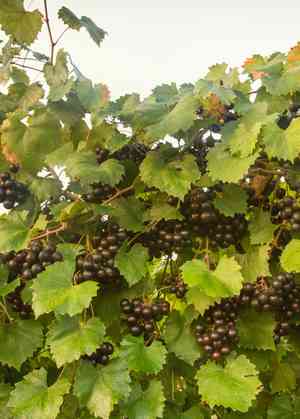
Healthy Muscadine vines receiving sufficient sunlight will exhibit vibrant green leaves, robust canes, and abundant fruit set. The fruits will develop uniformly with good color and sweetness. Consistent flowering followed by fruiting is another positive indicator of proper sunlight exposure.
Recognizing Sunlight Stress Symptoms
Stress from improper sunlight exposure can manifest in various ways. Look for yellowing leaves, sparse foliage, or underdeveloped fruits as signs. In cases of excessive sunlight, you might observe leaf scorch or wilting. Early recognition of these symptoms allows for timely corrective actions.
Tips for Adjusting Sunlight Exposure
If your Muscadine isn't getting enough sunlight, consider moving the plant or pruning surrounding vegetation. For too much sunlight, providing temporary shade can be beneficial, especially during peak sun hours in extremely hot climates. Regularly monitor and adjust as needed to ensure your vines receive optimal sun exposure.



