How Much Sunlight Do Texas vervain Need?
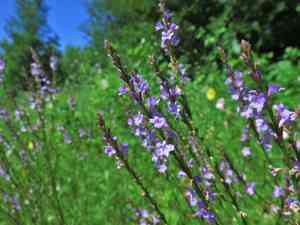
1
Texas vervain flourishes in bright light, receiving more than 6 hours of direct sun each day.
2
Ideal morning sunlight can avert excessive heat and leaf scorch in warmer regions.
3
Moving your Texas vervain could aid in achieving improved sun exposure and more robust development.
Optimal Light Requirements for Texas vervain
Ideal Daily Sun Exposure
For vigorous growth and abundant blossoms, Texas vervain requires full sun, meaning at least 6 hours of direct sunlight each day. This plant is well-suited to bright environments and will flourish with ample illumination. Placing your Texas vervain where it receives morning to afternoon sun is vital for its development.
Morning Versus Afternoon Sun
Morning sun is typically cooler and less intense, making it ideal for Texas vervain, especially in regions with extremely hot afternoons. Providing your plant with morning light helps initiate photosynthesis early, supplying energy for growth and flowering, while avoiding the harsh midday heat that can stress the plant.
Ensuring Texas vervain Receives Sufficient Sunlight
Selecting the Proper Location
Choose a spot in your garden or yard that offers uninterrupted sunlight for most of the day. Areas like south-facing gardens generally provide the best conditions. Observe the location throughout the day to confirm it isn't shaded by structures or large trees during peak sun hours.
Utilizing Reflective Surfaces
If your garden has limited direct sunlight, consider placing reflective materials such as white walls or light-colored gravel near your Texas vervain. These surfaces help redirect sunlight onto the plant, increasing overall light exposure without relocating the plant.
Trimming Nearby Vegetation
Prune back any adjacent plants or trees that might cast shadows over your Texas vervain. Trimming can significantly enhance sunlight availability, allowing your plant to fully benefit from unobstructed light. Regular upkeep of surrounding greenery ensures consistent light exposure.
Indicators That Texas vervain Needs More Light
Stretched Growth
A clear sign that your Texas vervain isn't getting enough sunlight is elongated or spindly growth. When deprived of sufficient light, the plant stretches towards any available light source, resulting in weak and thin stems.
Fading Foliage
Insufficient sunlight can cause the vibrant green leaves of Texas vervain to lose color or turn yellow. This fading is due to inadequate chlorophyll production, which hinders the plant's ability to perform photosynthesis effectively.
Reduced Bloom Production
A decrease in the number of flowers or a complete absence of blooming can indicate that your Texas vervain isn't receiving enough sunlight. Flowers are energy-intensive, and without adequate light, the plant lacks the necessary energy to produce and sustain blossoms.
Preventing Sun Damage in Texas vervain
Symptoms of Sunburn
Brown, crispy leaf edges are a common sign of sunburn in Texas vervain. While these plants love the sun, excessive intense, direct afternoon sunlight, especially in hotter climates, can lead to sunburn. Monitoring and managing light exposure is crucial during peak summer months.
Providing Shade
If your Texas vervain is at risk of sunburn, consider offering temporary shade during the hottest parts of the day. You can use shade cloths, garden umbrellas, or even strategically placed taller plants to reduce sun intensity without depriving the plant of necessary light.
Adjusting Plant Placement
Sometimes, protecting your Texas vervain from sun damage simply requires adjusting its position. Move the plant to a spot with dappled afternoon sunlight or provide afternoon shade if full sun proves too harsh. Regularly reevaluating the plant's location can ensure it receives optimal sunlight while avoiding harm.



