How Much Sunlight Do Bladderwort Need?
1
Bladderwort flourishes in bright, direct light yet tolerates some shade.
2
Ensure a minimum of six hours of direct solar exposure daily for robust Bladderwort development.
3
Excessive light may manifest as leaf discoloration, whereas insufficient light can lead to fragile stalks.
Grasping Bladderwort's Illumination Needs
Native Environment
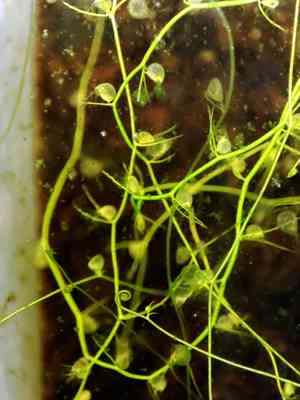
Bladderwort, a captivating aquatic carnivorous plant, naturally flourishes in low-nutrient freshwater habitats such as ponds, marshes, and gentle streams. In its natural setting, it typically enjoys abundant sunlight, floating on or near the water's surface, absorbing solar energy throughout the day.
Flexibility in Light Conditions
While Bladderwort naturally thrives in full sun, it displays remarkable adaptability. It can endure various light levels, from intense direct sun to filtered light beneath taller plants. This versatility makes it an excellent choice for diverse aquatic garden setups.
Optimal Sunlight for Bladderwort
Ideal Direct Sunlight Duration
Bladderwort performs best with at least six hours of direct sunlight daily. This light exposure ensures efficient photosynthesis, promoting vigorous growth and vibrant green foliage. If feasible, position your Bladderwort to receive full sun for most of the day.
Effect of Diffused Sunlight
Although Bladderwort excels in direct sunlight, it can also tolerate partial sun or indirect light. Indirect sunlight may be less intense but can still support the plant's health. If full sun isn't an option, placing your Bladderwort in a bright spot with some afternoon shade can be a good alternative.
Seasonal Light Fluctuations
As seasons change, so does sunlight availability. In winter, shorter days and reduced light levels might limit the direct sunlight your Bladderwort receives. During these months, consider supplementing natural light with artificial sources to maintain optimal growth conditions.
Indicators of Light Stress in Bladderwort
Symptoms of Excessive Sunlight
When exposed to too much sunlight, Bladderwort may show signs of light stress. Symptoms include yellowing or browning leaves, and in severe cases, parts of the plant might become scorched and perish. If these signs appear, try providing some shade during the day's hottest hours.
Symptoms of Insufficient Sunlight
Inadequate sunlight can also harm Bladderwort. If the plant doesn't receive enough light, its leaves may become pale, and its stems weak and elongated. The plant's growth will slow, and it might struggle to thrive. Ensure it gets sufficient light to prevent these issues.
Advice for Adjusting Bladderwort's Light Exposure
Utilizing Artificial Illumination
In environments where natural sunlight is insufficient, artificial lights can be very beneficial. LED grow lights are an effective choice. Position the lights approximately 30-45 cm (12-18 inches) above the plant, aiming for 12-14 hours of light daily to mimic Bladderwort's natural conditions.
Placement in Natural Light
To maximize natural sunlight, strategically place your Bladderwort in your aquatic garden where it can receive uninterrupted light for most of the day. South-facing areas are typically ideal. If possible, avoid positioning the plant near taller plants or structures that might cast shadows and reduce its light exposure.
Monitoring and Modifying Light Exposure
Regularly observe your Bladderwort for signs of light stress and adjust its position or artificial lighting as needed. If you notice symptoms of too much or too little light, promptly shift the plant's location or modify the artificial light intensity and duration.



