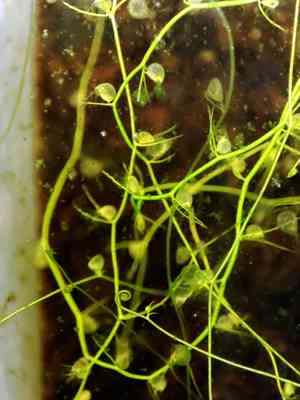
Bladderwort (Utricularia gibba)
Also known as: Creeping bladderwort, Floating bladderwort
Bladderwort is a carnivorous plant that can be submerged, free-floating, or mat-forming, and notably lacks a root system. It thrives in nutrient-poor wetland environments, including lakes, lake margins, and disturbed muddy areas in lowland regions. Due to its adaptability, bladderwort is considered a potential invasive species that can outcompete native flora in these habitats. This versatile plant is present on all continents except Antarctica.
In This Article
Attributes of Bladderwort
Lifespan
Perennial, Annual
Plant Type
Herb
Plant Height
20 cm to 25 cm
Spread
10 cm
Leaf Color
Green
Flower Size
2.5 cm
Flower Color
Yellow
Images of Bladderwort
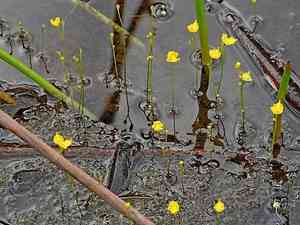
Quickly Identify Bladderwort
1
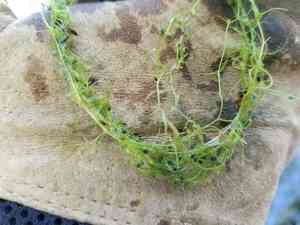
Filamentous stolonal system
2
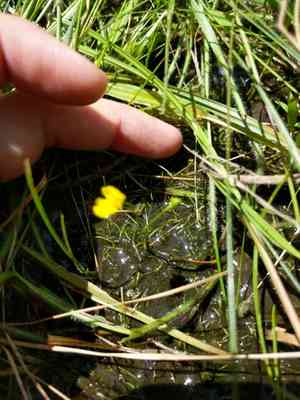
Yellow flowers with red center
3
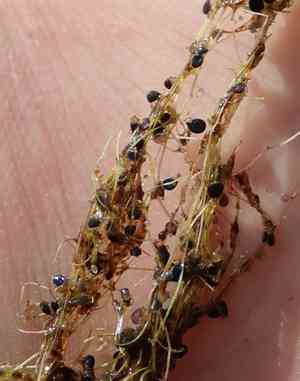
Spherical brown fruit, papery texture
4
Thread-like leaves with bladders
5
Slender green stem, minimal branching
Scientific Classification of Bladderwort
Phylum
Vascular plants
Class
Dicotyledons
Order
Lamiales
Family
Bladderworts
Genus
Bladderworts
Species
Bladderwort
Planting and Growing of Bladderwort
Care Difficulty
Easy
Watering Schedule
Every 8 days
Sunlight Requirements
Partial sun
Sunshine Duration
6-10 hours
Ideal Temperature
70-86℉
Soil Type
Potting Mix, Peat Mix
Soil pH
6.5-7.5
Fertilizer Type
Balanced
Pruning Season
Spring, Summer
Pruning Area
Branches, Leaves
Pruning Frequency
2 times a year
Repotting Season
Spring
Pot Type
Plastic, Ceramic
 How to Water Bladderwort?
Utricularia gibba thrives best when its aquatic environment is consistently moist. Aim to provide about 250 ml of water each time, ensuring the water level stays steady. Avoid letting the water level drop completely or become stagnant; this can lead to health issues as the plant needs an even spread of hydration.
What are the symptoms of an underwatered Bladderwort?
›
What should I do if my Bladderwort is not getting enough water?
›
What are the symptoms of an overwatered Bladderwort?
›
How to save an overwatered Bladderwort?
›
 What Are the Sunlight Requirements for Bladderwort?
Utricularia gibba thrives best in partial to full sun, ideally receiving 4 to 6 hours of direct sunlight each day. Ideal lighting ensures robust growth, vigorous flowering, and optimal energy utilization in aquatic settings.
More About Sunlight Requirements Techniques→
What is the ideal light level for Utricularia gibba?
›
What solutions can help achieve ideal light conditions?
›
What benefits come from providing ideal light?
›
 What Is the Ideal Temperature Range for Bladderwort?
Utricularia gibba thrives best in a warm environment with temperatures ideally ranging between 70°F and 86°F. This temperature range facilitates optimal growth and ensures the plant remains healthy, simulating its natural habitat conditions found in warmer climates.
 What Soil is Best for Bladderwort?
Utricularia gibba thrives in soil that retains moisture well, offering a consistent source of water for its roots. This is essential for maintaining its growth and propagating its unique aquatic features. This plant prefers nutrient-poor soil conditions, which help it avoid competition from other plants and maximize its efficient feeding strategy through trapping small aquatic creatures. Soil that offers good aeration supports the delicate root systems of Utricularia gibba, preventing root rot and allowing easy access to absorbed water.
 How to Fertilize Bladderwort?
Utricularia gibba is a small aquatic plant that requires minimal fertilization. When applying liquid fertilizers, ensure a dilute application with a solution concentration no stronger than 1/4 of the recommended strength for aquatic plants. This prevents nutrient overload and supports healthy growth.
 How to Prune Bladderwort?
Start by identifying and removing any brown or withered sections of the plant. These are likely dead tissue and pruning them helps redirect nutrients to healthier parts. Utricularia gibba is often found in aquatic settings where algae can accumulate. Carefully trim away these algae-infested areas to maintain plant vitality and aesthetic appearance. Regularly cut back any overgrown sections to prevent the plant from taking over the water surface. This allows light penetration and resources for other aquatic plants or creatures.
More About Pruning Techniques→
 How to Propagate Bladderwort plant?
1
Harvest ripe seeds from Utricularia gibba when the seed pods mature. Clean and dry the seeds properly before sowing to prevent mold and ensure successful germination.
2
Select healthy stems and use sterilized scissors to make clean cuts. Ensure the cuttings are at least 5 cm long and place them in water or a rooting medium to encourage root development.
3
Utricularia gibba can be divided by gently separating plant clumps. Ensure each section has healthy roots and stems to promote successful establishment and growth when replanted.
 How to Repot Bladderwort plant?
1
Utricularia gibba, an aquatic carnivorous plant, indicates it's time to repot when you notice overcrowding in the current setup. It's ideal to repot during its active growing seasons—spring and summer—when the plant is thriving and can easily adapt to new conditions.
2
Opt for a shallow container that accommodates the plant's horizontal growth. The pot needs to hold water efficiently, safeguarding the delicate roots. A wide and shallow container provides extra room for expansion, supporting robust growth and reducing the need for frequent repotting.
3
Blend sandy soil with peat moss to create a medium mimicking the plant’s natural habitat. This combination enhances drainage while retaining moisture, ensuring that Utricularia gibba thrives without its roots becoming overly saturated or dry.



