How Much Sunlight Do Coltsfoot Need?
1
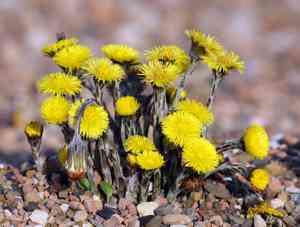
For best development, Coltsfoot needs approximately 3-6 hours of sunshine each day.
2
While Coltsfoot can endure direct sunlight, it flourishes most effectively in areas with partial sun.
3
Tailoring the amount of sun your Coltsfoot receives based on seasonal variations can improve its growth and bloom production.
The Vital Role of Sunlight for Coltsfoot
Sunlight's Contribution to Photosynthesis
Sunlight is fundamental to the process of photosynthesis, which is critical for Coltsfoot's survival and development. Through this process, Coltsfoot transforms solar energy into chemical energy, creating the carbohydrates necessary for its growth and energy reserves. Sufficient sunlight guarantees the plant can generate enough energy to thrive and stay robust.
Effect on Flowering and Development
Sunlight not only powers photosynthesis but also impacts Coltsfoot's blooming and overall development. Appropriate sunlight exposure aids in cultivating sturdy stems and vibrant blossoms. Insufficient sunlight can result in stunted growth and weak flowers. Conversely, excessive sunlight might cause wilting or scorched leaves. Thus, regulating sun exposure is essential for vigorous growth and abundant flowering.
Optimal Sunlight Exposure for Coltsfoot
Recommended Hours of Direct Sunlight
Coltsfoot flourishes in partial sun, needing approximately 3-6 hours of direct sunlight daily. This moderate light level supports its photosynthetic processes without causing excessive drying or scorching. Morning sunlight is preferable as it's typically less intense, providing ideal light and warmth.
Indicators of Overexposure to Sun
Excessive sunlight can harm Coltsfoot. Watch for signs such as dry, brittle leaf edges and discolored patches, which suggest sunburn. If your Coltsfoot exhibits these symptoms, it may need to be moved to a location offering a balance of sun and shade.
Adapting to Seasonal Variations
The sun's position changes with the seasons, influencing the light your Coltsfoot receives. In summer, the sun's intensity is higher, meaning your plant might require more shade. Conversely, during winter months, when sunlight is weaker, placing Coltsfoot in a sunnier spot can help sustain its growth and vitality. Regularly adjusting your plant's location based on seasonal shifts ensures proper light balance throughout the year.
Optimal Positioning and Placement for Sunlight
Prime Locations in Your Garden or Home
Identifying the perfect spot for your Coltsfoot involves locating areas with partial sun. In outdoor gardens, east-facing areas are often ideal as they receive gentle morning light. For indoor cultivation, position Coltsfoot near windows that get morning or late afternoon sun, avoiding south-facing windows with the strongest midday light.
Utilizing Reflective Surfaces to Enhance Light
Increase the sunlight reaching your Coltsfoot by employing reflective surfaces. Mirrors or light-colored walls can bounce extra light onto your plant, especially beneficial for indoor plants or shaded garden areas. This straightforward method can optimize light availability without frequent plant relocation.
Relocating Coltsfoot When Necessary
Coltsfoot is quite adaptable, so if you observe indications of too much or too little sunlight, don't hesitate to reposition your plant. Moving your Coltsfoot to a location with more suitable light conditions can yield significant improvements. Remember, even seasonal adjustments to its placement can have lasting positive impacts on its health.
Supplementing Natural Light for Coltsfoot
Categories of Artificial Illumination
In situations where natural sunlight is insufficient, particularly during winter or in dimly lit indoor spaces, artificial grow lights offer an excellent solution. LED and fluorescent grow lights are popular choices due to their energy efficiency and effectiveness in promoting plant growth. Select lights that mimic the natural sunlight spectrum for optimal results.
Proper Positioning of Artificial Lights
When using artificial lights, their placement is crucial. Position the lights approximately 30-45 cm (12-18 inches) above the plant to simulate natural sunlight and prevent overheating. Ensure the light source covers the entire plant for uniform growth.
Combining Natural and Artificial Illumination
For balanced development, integrating natural and artificial light can be highly effective. During seasons with less sunlight, supplementing with grow lights ensures continuous light exposure for your Coltsfoot. This combination provides stability, especially in regions with significant seasonal light fluctuations, optimizing overall plant health and growth.



