How Much Sunlight Do Chinese globeflower Need?
1
Chinese globeflower thrives with a minimum of 6 hours of direct sunlight each day.
2
Excessive direct sun exposure during the most intense parts of the day can damage the plant.
3
The plant can endure partial sun, though this might impact its flowering.
Ideal Sunlight Conditions for Chinese globeflower
Why Sunlight is Vital
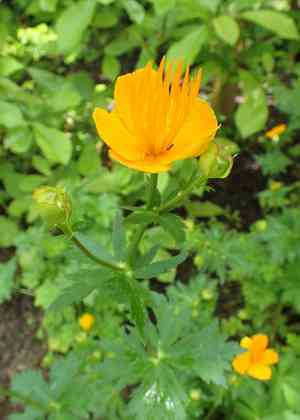
Sunlight is critical for the Chinese globeflower as it powers photosynthesis, a process vital for the plant's development and flowering. This heliophilic plant captures solar energy through its leaves, converting it into fuel that supports its vibrant orange-yellow blooms and strong foliage. Sufficient light ensures the plant has the energy needed to flourish.
Optimal Sunlight Hours
The best sunlight exposure for a Chinese globeflower is at least 6 hours of direct sun daily. This duration enables the plant to absorb enough light for vigorous growth and vivid flowers. Morning sun is especially good because it provides adequate light with less intense heat, lessening the chance of leaf scorching.
Effects of Overexposure
While sufficient sunlight is crucial, excessive direct sun, particularly during intense midday periods, can be detrimental. Overexposure can cause leaf burn, dehydration, and even stunted growth. It's essential to balance the plant's light needs with some shelter during the day's hottest hours.
Low Light Adaptations
The Chinese globeflower can tolerate partial sun conditions but may not flower as profusely. In situations with less light, the plant might exhibit leggier growth with fewer and smaller blooms. While not perfect, providing partial shade can be a temporary fix if full sunlight isn't an option.
Best Locations for Chinese globeflower
Outdoor Planting
Chinese globeflower flourishes best when planted outside in a spot that gets full to partial sunlight. Garden areas that receive at least 6 hours of morning sun are perfect. Ensure the location has well-draining soil to prevent waterlogging, which can be harmful to this plant.
Indoor Cultivation
When cultivating Chinese globeflower indoors, position the plant near a sunny window where it can receive abundant sunlight. South or west-facing windows are excellent choices. If natural light is inadequate, consider using grow lights to supplement the sun and ensure the plant's healthy development.
Seasonal Considerations
Throughout the various seasons, you might need to adjust your Chinese globeflower's light exposure. In summer, shield it from the intense afternoon sun by providing some shade. In winter, when natural light is lower, ensure the plant gets as much sunlight as possible to maintain its energy levels and overall vitality.
How to Adjust Sunlight for Chinese globeflower
Using Shade Cloth
Employing a shade cloth can help regulate the amount of sunlight your Chinese globeflower receives, especially during peak summer months. Shade cloths come in various densities, allowing you to filter the sun to prevent overexposure while still providing adequate light for growth.
Relocating Pots
If you cultivate your Chinese globeflower in containers, moving them to optimal sunlight locations is a practical solution. You can easily reposition the pots to ensure they get the necessary amount of sun throughout the year. This flexibility allows you to protect the plant from harsh sunlight or maximize light exposure during low-light conditions.
Natural Barriers
Establishing natural barriers using taller plants or garden structures can offer partial shade for your Chinese globeflower. This method is particularly effective in outdoor settings where permanent shading solutions are desired. Natural barriers help diffuse strong sunlight and provide protection during the day's hottest times.



