How Much Sunlight Do Purple heart Need?
1
Purple heart flourishes most vigorously with approximately 3-6 hours of direct light each day.
2
Although it can withstand both intense sun and deep shade, Purple heart exhibits peak development in areas with filtered sunlight.
3
Modifying the amount of light it receives throughout the year aids in preventing sunburn and fostering robust development.
Optimal Lighting Conditions for Purple Heart
Full Sun or Partial Shade?
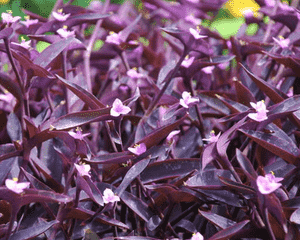
When deciding between full sun or partial shade for your Purple Heart, finding the right balance is crucial. This vivid plant can tolerate various light levels, including full sun and full shade, but it truly flourishes with some direct sunlight. Aim for roughly 3-6 hours of diffused sunlight daily. In full sun, the foliage might appear slightly greener, while in partial shade, they maintain their striking purple color.
Peak and Minimum Sunlight Exposure
For Purple Heart, the ideal range is about 3-6 hours of sun daily. While it enjoys light, excessive exposure can cause leaf scorching or dulling of colors. Conversely, inadequate light can result in stunted development and a lifeless appearance. Strive for a balanced light setting where your plant receives morning sun and afternoon shade, particularly in hotter regions.
How to Identify Insufficient Sunlight in Purple Heart
Indicators of Low Light
Purple Heart plants may exhibit several signs if they are not receiving adequate sunlight. You might observe elongated stems as the plant stretches towards light sources, a phenomenon known as etiolation. Additionally, the vibrant purple hue of the leaves may diminish, and overall growth will slow. These symptoms clearly suggest your plant needs more light.
Remedies for Dimly Lit Environments
If you notice your Purple Heart is struggling in low light conditions, several solutions are available. First, consider relocating it to a brighter spot, ensuring it receives indirect sunlight for several hours each day. Utilizing grow lights can also supplement natural light, especially during darker winter periods. Remember, gradual adjustment is key to prevent shock from sudden light changes.
Impacts of Excessive Sunlight on Purple Heart
Symptoms of Sunburn
Too much sunlight exposure can lead to sunburn on Purple Heart plants. Signs include brown, brittle leaf edges and a faded or bleached appearance. If these symptoms are present, it's vital to move your plant to a less intense light environment without delay.
Preventing Sun Damage
To avoid sun damage, ensure your Purple Heart isn't exposed to harsh, direct sunlight for extended durations. Placing it where it receives bright, indirect light can be beneficial. Another practical measure is to use sheer curtains to soften intense sunlight, particularly during peak hours. Regularly inspect your plant for signs of sun stress and adjust its placement as necessary.
Seasonal Lighting Adjustments for Purple Heart
Spring and Summer Care
During spring and summer, your Purple Heart will likely require more sunlight to support its rapid growth. Keep it in a well-lit area but protect it from the intense afternoon sun. Morning sunlight is gentle and provides essential energy without the risk of overheating the plant.
Fall and Winter Care
In fall and winter, both the intensity and duration of sunlight decrease. It's crucial to provide your Purple Heart with as much natural light as possible during these months. Consider moving it closer to windows that receive maximum sunlight or use artificial grow lights to meet its light requirements. Regular rotation of the plant ensures uniform light distribution.



