How Much Sunlight Do Western red cedar Need?
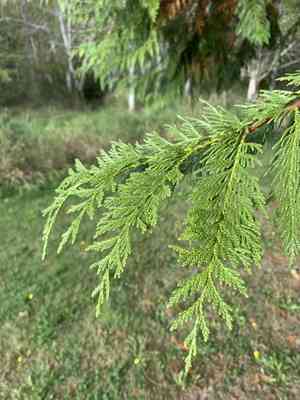
1
Western red cedar typically flourishes in locations receiving a minimum of six hours of daily sun exposure.
2
Western red cedar can also tolerate dappled shade, but take care to avoid excessive or insufficient light.
3
It's essential to modify light exposure according to seasonal shifts to maintain a thriving Western red cedar.
Optimal Light Conditions for Western red cedar
Full Sun vs. Partial Shade
The Western red cedar exhibits considerable adaptability regarding light. Its preference is for full sun, which means receiving at least six hours of direct, unobstructed sunlight daily. This exposure encourages vigorous development and helps the tree achieve its characteristic vibrant color and dense foliage. Nevertheless, the Western red cedar also thrives in partial shade, meaning it can grow well when shielded from direct sun for portions of the day. Environments providing morning sun and afternoon shade can also be beneficial for this adaptable tree.
Daily Light Requirements
For prime growth, a Western red cedar needs a minimum of 6 hours of direct sunlight per day. This consistent illumination enables the tree to perform efficient photosynthesis, resulting in vivid foliage and robust, sturdy branches. In situations where full sun isn't consistently available, providing at least half a day's worth of sunlight can still support healthy growth, though its overall development might be slightly less vigorous compared to those in full sun.
Best Planting Sites for Western red cedar
Ideal Garden Locations
When selecting a spot for your Western red cedar, choose areas free from intense competition for light. Open sites that receive significant morning to afternoon sun are optimal. Verify that the planting location has well-draining soil to prevent excessive water retention, which can negatively impact root health.
Influence of Nearby Structures
Be mindful of adjacent buildings, fences, or taller plants that could cast shadows on your Western red cedar. Such structures can create undesired shade, significantly diminishing the light the tree receives. However, in designed landscapes, situating the cedar where it benefits from morning sun while being somewhat shaded during intense afternoon heat can protect it from sun scorch and moisture stress.
Adjusting Light for Indoor Western red cedar
Alternative Lighting Solutions
For Western red cedars grown indoors, replicating natural light is essential. Artificial lighting options like grow lights can be highly effective. Full spectrum LED grow lights, which simulate natural sunlight, should be used for 12-16 hours daily to promote healthy development. Position these lights approximately 2-3 feet (60-90 cm) above the tree to ensure optimal light distribution.
Utilizing Reflective Surfaces
Improving light spread indoors can also be achieved by employing reflective surfaces. Placing mirrors or using white-painted walls around your indoor Western red cedar can help bounce light throughout the space, ensuring uniform light exposure and minimizing the risk of uneven growth. This technique works in conjunction with artificial lighting for more balanced illumination.
Seasonal Light Variations and Their Impact
Light in Different Seasons
The quantity and intensity of sunlight change with the seasons, affecting your Western red cedar. During the active growth periods of spring and summer, the tree may receive ample sunlight, fostering rapid development. Conversely, fall and winter bring shorter days and weaker light intensity, potentially slowing down the photosynthetic process.
Adapting to Seasonal Shifts
To adapt to these seasonal variations, consider relocating potted trees to brighter spots during colder months. For outdoor trees, trimming surrounding vegetation that obstructs sunlight can help maintain sufficient light exposure year-round. Additionally, applying mulch around the base can help retain soil moisture and provide some insulation during extreme temperature fluctuations.
Common Light-Related Issues for Western red cedar
Signs of Excessive Sun
Too much sun can lead to leaf scorching, where the foliage displays burned edges or a faded, bleached appearance. If this occurs, consider providing more shade during peak sunlight hours, especially in summer. Using shade cloth or strategically planting taller specimens nearby can offer some protection.
Signs of Insufficient Sun
Lack of adequate sunlight can result in etiolation, where the tree appears elongated and weak with sparse foliage. Leaves might also deepen in green color as the tree attempts to maximize light absorption. Ensuring your Western red cedar receives at least six hours of light can prevent this issue. If repositioning isn't feasible, consider using supplementary artificial lighting.
Resolving Light Problems
Addressing light-related problems involves evaluating the current growing environment. For excessive sun, increase shade; for too little, boost light exposure. Regular monitoring and adjusting factors like watering and soil composition can also help buffer the tree against extreme light variations. Consistent care and timely intervention will help your Western red cedar thrive.



