How Much Sunlight Do Flower of Stone Need?
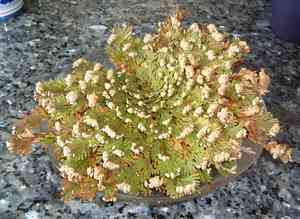
1
Flower of Stone flourishes with approximately 3-6 hours of indirect sun each day.
2
Positioning indoors near windows facing east or west can maximize light access.
3
Too much or too little light can affect the Flower of Stone's distinctive curling habit.
Optimal Illumination for Resurrection Plant
Preferred Light Conditions
The Resurrection Plant thrives in partial sun, meaning it benefits from approximately 3-6 hours of indirect or filtered sunlight daily. This species originates from arid regions, so it has adapted to bright, diffused light rather than intense, direct sun. Excessive direct sunlight can quickly dehydrate the plant and potentially scorch its delicate fronds. Therefore, achieving a balance that mimics its natural habitat will ensure your Resurrection Plant remains robust and vibrant.
Direct vs. Diffused Light
As noted, direct sun can be too harsh for the Resurrection Plant, potentially causing damage and desiccation. Diffused light, conversely, offers the ideal equilibrium. This plant favors a luminous setting where sunlight is softened. Sheer curtains or blinds can be used to scatter direct indoor sunlight, creating optimal lighting. If positioned outdoors, a shaded spot that still receives ample light, such as beneath a tree canopy, works effectively.
Adjusting Light Exposure for Resurrection Plant
Indoor Placement Advice
For indoor placement, the key is finding the perfect spot. East or west-facing windows are excellent, providing bright light without the harsh midday sun. You might also consider placing your Resurrection Plant near a north-facing window, supplementing with artificial light if natural light is insufficient. Employing sheer curtains to filter sunlight can help prevent overexposure. Periodically rotating the plant ensures uniform light distribution, preventing lopsided growth.
Outdoor Placement Advice
If cultivating your Resurrection Plant outdoors, position it in an area that receives dappled sunlight – perhaps under a tree or a garden structure. Avoid locations that get prolonged direct sun, especially during peak midday hours. Outdoor plants may also benefit from a mulch layer around their base to retain moisture, given the plant's preference for dry conditions. Regular monitoring and adjusting its position based on solar movement can also help maintain optimal light levels.
Indicators of Excessive or Insufficient Sunlight
Symptoms of Overexposure
Overexposure to sunlight may cause the Resurrection Plant to appear scorched, with browning leaf tips or edges being a common indicator. The plant might become excessively dry and lose its vivid green hue, curling up in a manner uncharacteristic of its natural survival mechanism. If these signs are observed, you may need to move the plant to a less sunny location or implement protective measures like shading.
Symptoms of Underexposure
Conversely, if your Resurrection Plant isn't receiving enough light, it may not fully 'bloom' or unfurl. Its fronds might appear pale, weak, or stunted. Severe light deprivation can lead to poor overall plant vitality, making it more vulnerable to other environmental stressors. If underexposure is suspected, gradually move the plant to a brighter area to avoid shocking it.
Common Questions Regarding Resurrection Plant Light Requirements
Can Resurrection Plant Thrive in Low Light?
While the Resurrection Plant can endure low light conditions, it will not flourish as it would in brighter environments. Low light can impede the plant's growth and affect its ability to enter its characteristic 'resurrection' phase after dormancy. If low light is your only option, consider using grow lights to enhance the plant's well-being.
How to Revive a Resurrection Plant with Light Issues?
Reviving a Resurrection Plant suffering from light problems involves carefully re-evaluating its environment and making gradual adjustments. For overexposed plants, introduce shading and increase humidity. For underexposed ones, slowly relocate the plant to a brighter spot. Ensure the plant receives adequate watering, as light issues often coincide with improper moisture levels. By modifying these factors, you can help your Resurrection Plant recover its unique, resilient state.



