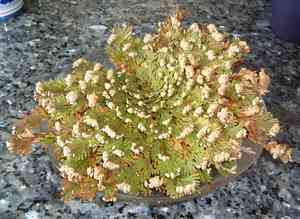
Flower of Stone (Selaginella lepidophylla)
Also known as: Dinosaur Plant, False Rose of Jericho, Stone Flower, Doradilla
The "Rose of Jericho" (*Selaginella lepidophylla*), also known as the resurrection plant, is a unique perennial that can survive extreme drought by curling into a ball. When watered, it unfurls its delicate, emerald green fronds almost immediately. This moss-like plant is ideal for terrariums, pots, and protected outdoor spots. To ensure optimal growth, keep it well-watered, particularly in the summer.
In This Article
Attributes of Flower of Stone
Lifespan
Perennial
Plant Type
Herb
Plant Height
30 cm
Spread
50 cm
Leaf Color
Green Blue Orange
Flower Size
N/A
Flower Color
N/A
Images of Flower of Stone
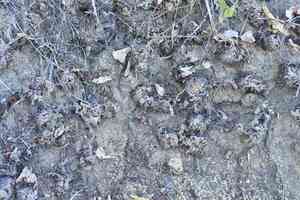
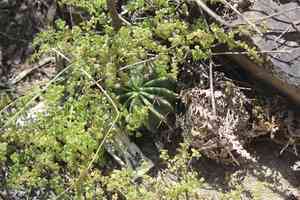
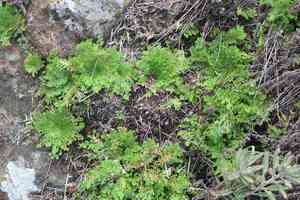
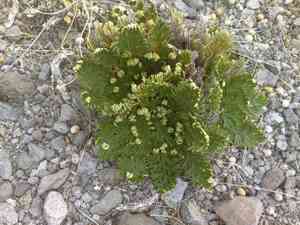
Quickly Identify Flower of Stone
1
Identifying Selaginella lepidophylla involves looking for a small, moss-like plant that tightly curls into a ball when dry. When hydrated, it unfurls to reveal green, fern-like leaves.
Scientific Classification of Flower of Stone
Phylum
Vascular plants
Class
Club mosses
Order
Selaginellales
Family
Spike-moss
Genus
Spikemosses
Species
Flower of Stone
Planting and Growing of Flower of Stone
Care Difficulty
Easy
Watering Schedule
Every 2 days
Sunlight Requirements
Partial sun
Sunshine Duration
6-10 hours
Ideal Temperature
70-80℉
Soil Type
Potting Mix, Peat Mix
Soil pH
6.5-7.5
Fertilizer Type
Balanced
Pruning Season
Spring, Summer
Pruning Area
Branches, Leaves
Pruning Frequency
2 times a year
Repotting Season
Spring
Pot Type
Plastic, Ceramic
 How to Water Flower of Stone?
For Selaginella lepidophylla, ensure that the soil is thoroughly drenched without being waterlogged. The roots should be able to absorb moisture, so water until you see a slight runoff from the drainage holes.
What are the symptoms of an underwatered Flower of Stone?
›
What should I do if my Flower of Stone is not getting enough water?
›
What are the symptoms of an overwatered Flower of Stone?
›
How to save an overwatered Flower of Stone?
›
 What Are the Sunlight Requirements for Flower of Stone?
Selaginella lepidophylla benefits from partial sun conditions, receiving indirect light several hours a day. This provides energy without the stress of strong, direct rays, improving overall health and appearance.
More About Sunlight Requirements Techniques→
What kind of light does Selaginella lepidophylla need?
›
How can I ensure it gets the right amount of light?
›
What are the benefits of proper lighting for this plant?
›
 What Is the Ideal Temperature Range for Flower of Stone?
Selaginella lepidophylla thrives best in temperatures between 70°F and 80°F. This range simulates the warm, dry environments of its native deserts. Maintaining this temperature range can ensure optimal growth conditions and a healthy plant life cycle.
 What Soil is Best for Flower of Stone?
Selaginella lepidophylla thrives in well-draining soil, the key is to prevent root rot by ensuring excess water can exit the root zone quickly. This trait supports the plant's natural adaptation to arid environments, where it survives by quickly rehydrating after rain and drying out just as swiftly. The plant benefits from soil with moderate salinity levels. This condition mirrors its native habitat's mineral content, aiding in the plant’s water absorption efficiency while adding to its resilience against saline conditions. Prefers nutrient-poor soils, which make it an excellent candidate for xeriscaping. The adaptation allows it to survive in harsh conditions without competition for scarce nutrients, thus simulating its natural, rugged habitats.
 How to Fertilize Flower of Stone?
For Selaginella lepidophylla, apply a diluted liquid fertilizer at one-quarter strength. It's essential to avoid over-fertilizing this plant as it can easily get stressed from too many nutrients. Maintain a light hand when fertilizing to keep the plant thriving.
 How to Prune Flower of Stone?
This plant is extremely sensitive to over-pruning. Only remove dried fronds that are completely dead and brittle. Avoid pulling the fronds as it can damage the plant's delicate structure. Always use clean, sharp scissors or pruning shears to minimize any risk of infection. Before starting, sterilize your tools with alcohol to ensure that you are not introducing any pathogens to your plant.
More About Pruning Techniques→
 How to Propagate Flower of Stone plant?
1
Before starting, water the Selaginella lepidophylla thoroughly to ensure it's hydrated. This makes handling easier and reduces plant stress during the division process.
2
Gently remove the plant from its pot and carefully separate the root ball using your fingers or a tool. Ensure each division has an adequate amount of roots and foliage.
3
Place each division into its own pot with fresh potting soil, pressing down lightly to secure the plant. Water each pot thoroughly to help settle the soil around the roots.
 How to Repot Flower of Stone plant?
1
Selaginella lepidophylla shows it's time to repot when its roots appear cramped or water fails to drain quickly. Usually, every 2-3 years during active growth in spring or summer is ideal. Look for signs like yellowing leaves or stunted growth as additional cues.
2
Select a pot that is one size larger than the current one and ensures good drainage. Terra cotta pots are excellent as they allow the soil to dry more effectively than plastic ones, which suits this plant’s preference for a drier environment.
3
Opt for well-draining cactus or succulent soil. This type of soil prevents overly moist conditions that can lead to root rot, mimicking the plant's natural arid environment and promoting healthier growth.



