How Much Sunlight Do Purple pitcher plant Need?
1
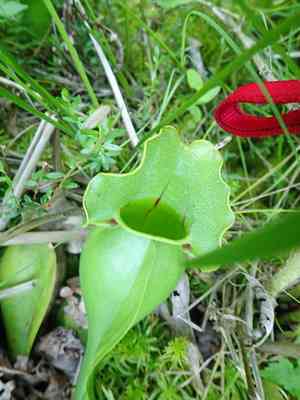
The Purple pitcher plant flourishes with a minimum of 6 hours of direct sun exposure each day.
2
Use light meters to observe your plant's sun levels, guaranteeing peak condition.
3
For indoor Purple pitcher plants, grow lights are an effective way to mimic natural sunlight.
The Importance of Sunlight for Your Purple Pitcher Plant
Energy Creation Through Photosynthesis
Sunlight is vital for photosynthesis, where plants convert light energy into chemical energy. For the Purple pitcher plant, sunlight fuels its energy requirements, enabling it to produce the sugars essential for development and overall vitality.
Encouraging Growth and Development
Sufficient sunlight promotes the healthy growth of the Purple pitcher plant. It supports strong development by aiding nutrient uptake and helping the plant maintain its distinctive form. Insufficient light can result in a weak, elongated plant.
Assisting in Insect Capture
Sunlight indirectly contributes to the Purple pitcher plant's insect-trapping ability. Vigorous, healthy growth, supported by ample sunlight, allows the plant to form vivid, well-developed pitchers, crucial for attracting and ensnaring insects.
Ideal Sunlight Conditions for Your Purple Pitcher Plant
Optimal Light Intensity
The Purple pitcher plant thrives best in full sun, meaning it should get at least 6 hours of direct sunlight daily. However, it can tolerate partial sun, particularly during the hottest part of the day, to avoid leaf burn.
Preferred Sunlight Duration
Aim for a minimum of 6 hours of direct sunlight daily for best growth. In areas with intense sun, offering some afternoon shade can prevent potential harm from excessive light and heat.
Indirect vs. Direct Sunlight
Direct sunlight is preferred for the Purple pitcher plant, but it can also flourish under bright, indirect light. If kept indoors, positioning the plant near a south-facing window can replicate the needed light conditions.
Seasonal Light Variations
During winter, sunlight intensity and duration may lessen. Ensure the Purple pitcher plant receives adequate light by possibly supplementing with artificial grow lights to offset the seasonal decrease in natural light.
Monitoring and Adjusting Your Purple Pitcher Plant's Sunlight Exposure
Tracking Sunlight Exposure
Keep an eye on your plant's sunlight exposure by regularly checking its position to ensure it meets the required duration and intensity. Observe the plant’s reaction and reposition it if needed.
Utilizing Light Meters
Light meters can be a useful tool to precisely measure the amount of light your Purple pitcher plant receives. These devices provide accurate readings in lumens or foot-candles, helping you optimize light conditions for robust growth.
Indications of Excessive Sunlight
Too much sunlight may cause the pitchers and leaves to scorch, turning them brown or yellow. In such cases, provide some shade during peak sunlight hours and re-evaluate the plant’s light exposure.
Indications of Insufficient Sunlight
Inadequate sunlight can lead to weak, stretched growth and a lack of vibrant pitcher development. If the plant appears pale or lacks vigor, increase its exposure to direct sunlight or consider adding artificial lighting.
Creating Ideal Indoor Sunlight Conditions for the Purple Pitcher Plant
Selecting Appropriate Grow Lights
For indoor Purple pitcher plants, choose full-spectrum grow lights that mimic natural sunlight. LED grow lights are a popular choice due to their efficiency and ability to provide the necessary light spectrum for plant development.
Proper Grow Light Setup
Position grow lights approximately 6-12 inches (15-30 cm) above the plant to ensure adequate light absorption. Adjust the height based on the plant’s response, making sure it gets enough light without overheating.
Scheduling Light Cycles
Mimic natural daylight patterns by using a timer for your grow lights. Aim for 12 to 14 hours of light daily to support the Purple pitcher plant's growth and health.
Employing Reflective Surfaces
Improve light distribution by using reflective materials such as mylar or aluminum foil around the plant area. This can help maximize light exposure and ensure uniform growth.
Common Errors in Managing Sunlight for the Purple Pitcher Plant
Overexposure to Direct Sunlight
Excessive direct sunlight can harm the plant, leading to leaf scorching. Gradually accustom the plant to full sun conditions, and provide temporary shade if necessary to protect it during the hottest parts of the day.
Ignoring Seasonal Adjustments
Failing to account for seasonal variations in sunlight can negatively impact the Purple pitcher plant. Be diligent in monitoring sunlight exposure throughout the year and make necessary adjustments to maintain optimal conditions.
Irregular Light Cycles
Inconsistent light exposure can disrupt the growth patterns of the Purple pitcher plant. Ensure your plant receives a steady amount of light daily, and use timers if needed to maintain regular light cycles.



