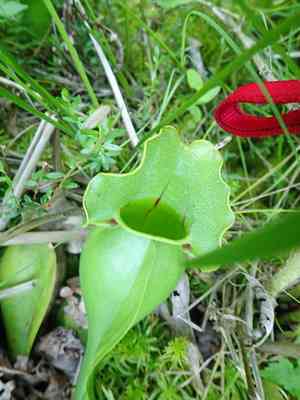
Purple pitcher plant (Sarracenia purpurea)
Also known as: Huntsman's cup, Turtle socks
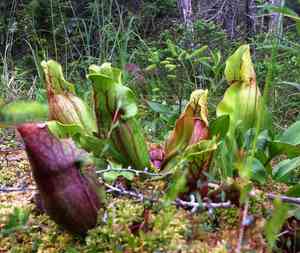
Native to wetlands and damp forests in North America, the purple pitcher plant stands out due to its carnivorous nature. Its unique, pitcher-shaped leaves trap and digest insects that fall into the liquid inside. This method of obtaining nutrients, especially nitrogen, allows it to flourish in environments with low nitrogen levels. With its distinct red-purple coloring and intriguing shape, the purple pitcher plant is also a popular choice for ornamental gardening.
In This Article
Attributes of Purple pitcher plant
Lifespan
Perennial
Plant Type
Herb
Plant Height
1.2 m
Spread
45 cm
Leaf Color
Green Red Purple Variegated
Flower Size
6 cm
Flower Color
Red Purple Green Yellow
Images of Purple pitcher plant
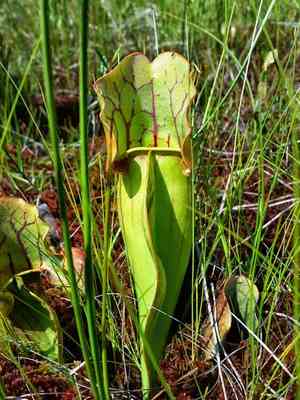
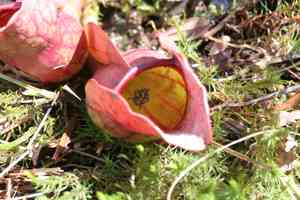
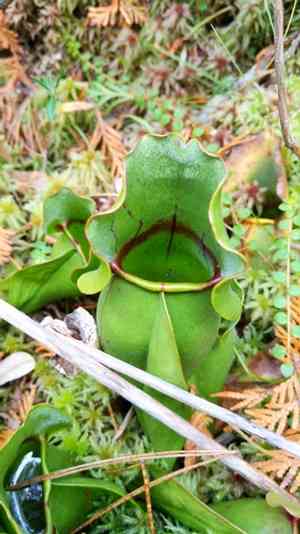
Quickly Identify Purple pitcher plant
1
Pitcher-shaped leaves with downward-pointing hairs and nectar-lined rim for insect trapping.
2
Red-purple flowers with umbrellashaped style and inward-curving petals.
3
5-celled seed capsule with pitted seeds, likely color change upon maturity.
4
Tubular leaves with wide-mouth lid, green with purple veins or reddish-purple.
5
Smooth, naked stem, green to reddish-purple, single nodding flower at apex.
Scientific Classification of Purple pitcher plant
Phylum
Vascular plants
Class
Dicotyledons
Order
Heathers and allies
Family
Pitcher-plant
Genus
Trumpet pitchers
Species
Purple pitcher plant
Planting and Growing of Purple pitcher plant
Care Difficulty
Hard
Watering Schedule
Every 2 days
Sunlight Requirements
Full sun
Sunshine Duration
6-10 hours
Ideal Temperature
60-75℉
Soil Type
Potting Mix, Peat Mix
Soil pH
3-5.5
Fertilizer Type
Balanced
Pruning Season
Spring, Summer
Pruning Area
Branches, Leaves
Pruning Frequency
2 times a year
Repotting Season
Spring
Pot Type
Plastic, Ceramic
 How to Water Purple pitcher plant?
Sarracenia purpurea prefers consistently moist soil, and you should aim to keep its medium damp but not waterlogged. Pour about 300ml of distilled or rainwater until the soil feels evenly moist.
More About Watering Techniques→
What are the symptoms of an underwatered Purple pitcher plant?
›
What should I do if my Purple pitcher plant is not getting enough water?
›
What are the symptoms of an overwatered Purple pitcher plant?
›
How to save an overwatered Purple pitcher plant?
›
 What Are the Sunlight Requirements for Purple pitcher plant?
Sarracenia purpurea thrives in full sun to partial sun conditions, benefiting from bright but moderated light exposure for optimal health and growth. Adequate light promotes efficient photosynthesis and supports robust foliage and carnivorous functions.
More About Sunlight Requirements Techniques→
What is the recommended lighting environment for Sarracenia purpurea?
›
How can I ensure optimal light for growth?
›
What benefits does proper lighting provide for this plant?
›
 What Is the Ideal Temperature Range for Purple pitcher plant?
The ideal temperature range for Sarracenia purpurea, also known as the purple pitcher plant, is between 60 to 75°F. Within this range, the plant can efficiently photosynthesize and maintain its metabolic processes without stress. It is crucial to keep the temperature within these limits to ensure optimal growth and reproduction. Maintaining the ideal range helps the plant to thrive and produce vibrant pitchers.
 What Soil is Best for Purple pitcher plant?
Sarracenia purpurea thrives in soils rich in organic matter. This is because such soils mimic its natural boggy habitats, providing necessary nutrients and moisture retention capabilities, ensuring robust growth and survival. This plant requires excellent drainage to prevent root rot. Soils that allow quick water passage can prevent waterlogging, ensuring that the roots remain healthy and oxygenated, essential for their growth and nutrient uptake. Consistently moist soil is crucial for the vibrant health of Sarracenia purpurea. The moisture supports its carnivorous nature, allowing the plant to maintain humidity around its leaves, enticing prey closer.
More About Soil→
 How to Fertilize Purple pitcher plant?
When fertilizing Sarracenia purpurea, it's important to remember that it is a carnivorous plant that typically receives nutrients from insects. Therefore, the fertilizer amount should be minimal. For liquid fertilizers, use a diluted solution (at one quarter strength) applied to the soil rather than directly on the leaves. For slow-release fertilizers, only a small pellet is needed per application, placed away from the root zone.
 How to Prune Purple pitcher plant?
Begin by inspecting your Sarracenia purpurea for any dead or dying leaves. These leaves are typically brown and crispy. Using a pair of sharp, sterilized scissors or pruning shears, carefully trim these leaves as close to the base as possible without damaging the healthy parts of the plant. Try to make clean cuts to prevent any infection. After removing the dead leaves, take a moment to assess the overall shape of the plant and trim any overcrowded areas to promote air circulation.
More About Pruning Techniques→
 How to Propagate Purple pitcher plant plant?
1
Begin by stratifying the seeds, which involves placing them in a refrigerator for 4-8 weeks. This mimics the natural winter conditions and breaks seed dormancy, enhancing germination success.
2
After stratification, scatter the seeds on the surface of the peat-based medium without covering them. Ensure the medium is kept damp but not waterlogged, using distilled water to avoid mineral build-up.
3
Place the seed trays in a bright location with indirect light. Use a grow light if necessary to maintain adequate light levels for at least 12-16 hours a day to simulate long spring and summer days.
 How to Repot Purple pitcher plant plant?
1
Sarracenia purpurea should be repotted when you notice it becoming root-bound or the soil is degrading, making it difficult for the plant to retain moisture. Spring is the ideal time because the plant begins its growth phase, allowing it to establish well in the new pot. Signs include roots pushing against the pot or water taking too long to drain.
2
Select a pot just one size up from the current one, ensuring it has adequate drainage holes. A slightly larger pot gives the Sarracenia purpurea room to grow without overwhelming it with too much unused soil, which can lead to poor moisture retention and root rot. The material should be lightweight, such as plastic, to avoid heavy weights that can damage the delicate roots.
3
The best soil is an acidic, peat-based mix without fertilizers. Peat moss combined with perlite or sand ensures excellent aeration and prevents mineral buildup, replicating their natural bog environment. This mix promotes healthy root development and retains moisture without waterlogging, protecting against root rot and supporting optimal growth.



