How Much Sunlight Do Yellow pitcherplant Need?
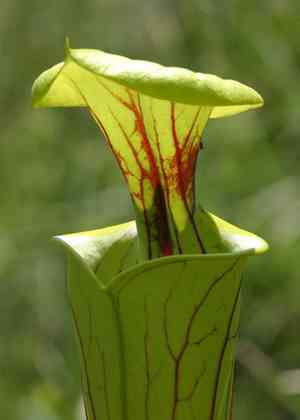
1
The Yellow pitcherplant flourishes optimally with direct sun exposure exceeding six hours each day.
2
These insectivorous plants can endure some shade, though their development might be hindered.
3
Observe indicators such as elongated pitchers to detect insufficient light in your Yellow pitcherplant.
Optimal Light Conditions for Yellow pitcherplant
Best Sunlight Exposure
For the Yellow pitcherplant to thrive and develop strongly, it needs complete sunlight. This means it should receive a minimum of 6 hours of direct sun daily. Placing them in such light helps maintain their vibrant hue and supports healthy carnivorous functions.
Impact of Direct Sun Exposure
Direct sunlight is vital for the Yellow pitcherplant. Sufficient illumination boosts photosynthesis, enabling the plant to generate the energy required to effectively capture and digest insects. However, ensure it avoids scorching afternoon sun, which can lead to dehydration or leaf burn.
Managing Partial Shaded Areas
While the Yellow pitcherplant flourishes best in full sun, it can endure some partial shade. Nevertheless, prolonged periods in partial shade may result in slower development and weaker pitcher formation. If full sunlight isn't an option, ensure the plant gets ample bright, indirect light.
Adjusting Light Exposure Seasonally
Summer Light Requirements
During summer, ensure your Yellow pitcherplant gets full sun in the morning and early afternoon. In extremely hot regions, consider providing some filtered shade during the peak afternoon heat to prevent sunburn and stress.
Winter Light Demands
In winter, sunlight is less intense, and days are shorter. Position your Yellow pitcherplant in the brightest available spot, ideally a south-facing window if kept indoors. Employing grow lights can also help supply the necessary illumination during this period.
Resolving Light-Related Issues in Yellow pitcherplant
Indicators of Light Deficiency
If your Yellow pitcherplant isn't receiving adequate sunlight, you'll observe key signs such as etiolated, weak, or elongated pitchers, and dull coloration. Providing more direct sunlight or repositioning it can help restore its vitality.
Addressing Sunburn in Yellow pitcherplant
Sunburn in Yellow pitcherplant can cause brown, crispy edges on the pitchers. To safeguard your plant, avoid the intensity of direct afternoon sun, especially in warmer climates. If sunburn occurs, move the plant to a slightly shadier spot and carefully trim away any damaged parts.
Advice for Ensuring Sufficient Light
Selecting the Appropriate Spot
Always place your Yellow pitcherplant in a location that receives full sun for optimal growth. If outdoors, a spot with morning to early afternoon light is ideal. For indoor plants, a south or west-facing window works well.
Utilizing Supplemental Lighting
When natural sunlight is insufficient, supplement with artificial lighting. Use full-spectrum grow lights to mimic natural sunlight. Position them 15-30 centimeters (6-12 inches) above the plant and keep them on for 12-16 hours daily to ensure your Yellow pitcherplant gets enough light.



