The Yellow pitcherplant Plant Advantage: Maximizing Home and Office Appeal and Wellness
1
The yellow pitcherplant naturally aids in managing insect numbers.
2
This species flourishes in damp, peat-rich, and acidic ground.
3
The yellow pitcherplant offers a visually impressive element to any landscape.
How Does Yellow pitcherplant Aid in Managing Insect Populations?
Natural Insect Capture
Yellow pitcherplant is well-known for its capacity to manage insect numbers through its distinctive pitcher-like form. This plant draws insects with its nectar and vivid colors. Once an insect enters the pitcher, it becomes trapped and is eventually consumed by the plant. This natural process can significantly decrease garden pests, offering an eco-friendly pest control method.
Reducing Chemical Pesticide Use
By incorporating Yellow pitcherplant into your garden, you can decrease reliance on chemical pesticides, which can negatively impact the environment and helpful insect populations. This makes Yellow pitcherplant not only a versatile garden addition but also a sustainable option.
Why Does Yellow pitcherplant Flourish in Specific Soil Conditions?
Adaptation to Acidic and Nutrient-Poor Soil
Yellow pitcherplant is well-suited for growth in acidic and nutrient-deficient soils, making it an excellent choice for areas where other plants might struggle. Its ecological niche allows it to thrive in environments that resemble its natural habitat, such as boggy and peaty soils, bringing vibrancy to otherwise challenging gardening situations.
Minimal Maintenance Needs
Given its ability to adapt to less fertile soils, Yellow pitcherplant requires very little fertilization and upkeep. This low-maintenance aspect makes it an appealing choice for both experienced gardeners seeking effortless plants and beginners aiming for garden success.
What Makes Yellow pitcherplant a Visually Striking Garden Feature?
Unique Form and Coloration
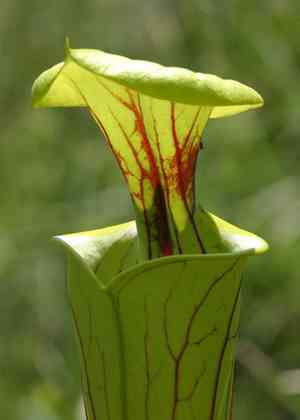
The striking morphology and coloration of Yellow pitcherplant are sure to captivate any observer. With its tall, elegant pitchers displaying shades of yellow and green, this plant creates a visual spectacle. The design and color variations among different Yellow pitcherplant specimens can provide dynamic visual interest and diversity within your garden design.
Seasonal Allure
Beyond its inherent beauty, Yellow pitcherplant offers year-round visual appeal. Throughout different seasons, its appearance provides seasonal interest through changes in color and shape, making it a dynamic element of any garden throughout the year.
How Can Yellow pitcherplant Support Local Biodiversity?
Habitat for Beneficial Insects
Aside from pest control, Yellow pitcherplant can also serve as a home for beneficial insects. By offering food and shelter, it attracts pollinators and other helpful species, contributing to your garden's biodiversity. This increased biodiversity can lead to healthier plant ecosystems and reduce the need for garden upkeep.
Integration with Native Flora
Yellow pitcherplant can be combined with native plants to establish a cohesive and self-sustaining garden ecosystem. This integration supports local wildlife and plants, further enhancing the ecological balance and resilience of your outdoor space.
How to Care for Yellow pitcherplant in Your Garden?
Watering and Light Requirements
To ensure Yellow pitcherplant thrives, it is crucial to provide sufficient water and appropriate light conditions. Typically, Yellow pitcherplant prefers full sun to partial shade and consistently moist soil, mimicking its natural bog environment. It's vital to prevent the soil from drying out completely.
Protection in Cold Climates
In colder regions, Yellow pitcherplant may need extra care such as mulching or temporary relocation to prevent frost damage. Monitoring weather conditions and making necessary adjustments can help maintain the plant's health throughout the year.



